Last updated June 23, 2026
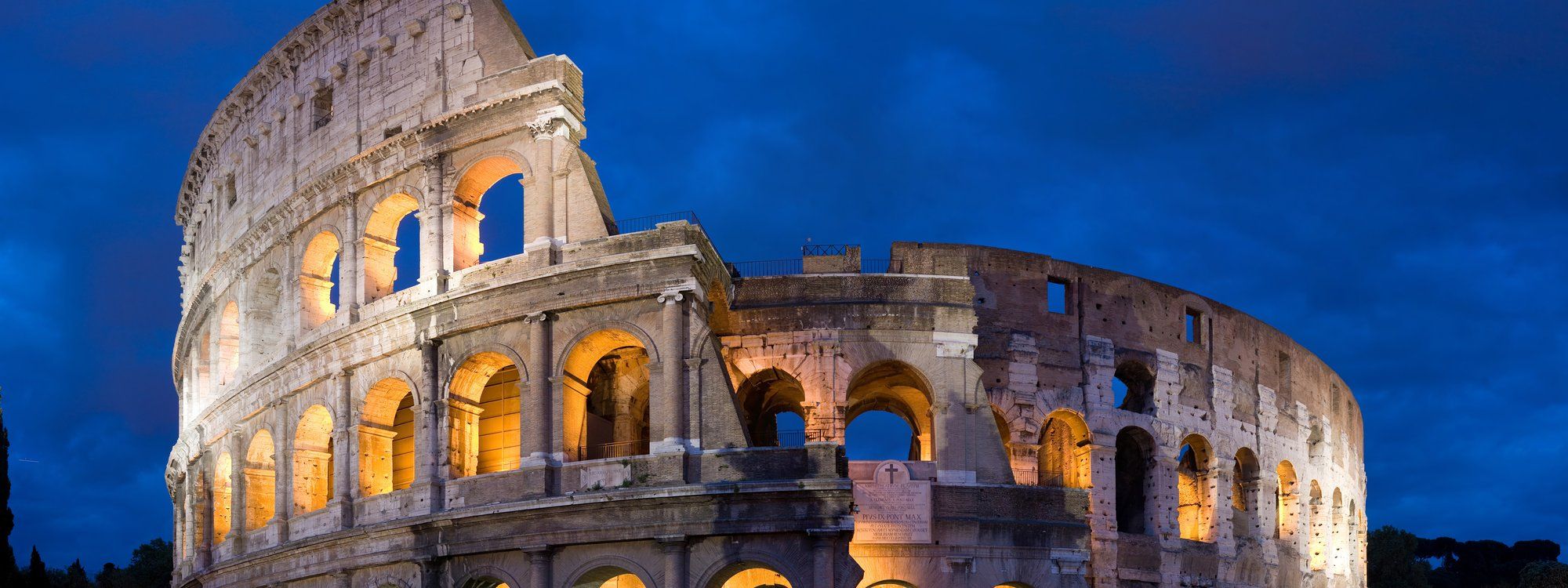

Diliff (David Iliff) / Wikimedia Commons, CC BY-SA 2.5
Europe
Italy Travel Guide
Italy is a boot-shaped country running the length of the central Mediterranean, packing more historic cities, art, and coastline into one place than almost anywhere else in Europe. Rome, the capital, layers ancient ruins, Renaissance churches, and everyday street life on top of each other block by block. Venice floats on a lagoon with no cars at all, Florence holds one of the world's great concentrations of Renaissance art in a walkable old town, and Milan pairs a Gothic cathedral with a modern fashion-and-design scene. Naples, looser and louder than the north, sits right under Vesuvius with Pompeii and the Amalfi Coast close by.
Quick facts
- Flag
- Italy
- Capital
- Rome
- Language
- Italian
- Currency
- EUR (€)
- Timezone
- Central European Time (UTC+1, UTC+2 in summer)
- Calling code
- +39
- Driving side
- Right-hand side
Planning your trip
- Best time to visit
- Aim for April through June or September through October, when the weather is warm but not punishing and the biggest crowds have thinned. July and August are hot, humid, and the busiest and most expensive months, especially in Rome, Venice, and Florence — many Italians also take their own holidays in August, so some smaller shops and restaurants close. Winter is quiet and mild in the south, colder in the north, and a good time to see major sights without the lines.
- Good to know
- Italy uses the euro (€). High-speed trains (Frecciarossa, Italo) connect Rome, Florence, Venice, Milan, and Naples in a few hours each, making a rental car unnecessary if you're sticking to cities — driving and parking in historic centers is often restricted to residents anyway. English is common in hotels and tourist areas but less so off the beaten path, so a few Italian phrases go a long way. Many restaurants add a small cover charge (coperto) to the bill; it's normal and not a scam. Tipping isn't expected the way it is in the US — rounding up is enough.
Cities
Where to stay in each of Italy's cities — pick one below to see its best neighborhoods and hotels.
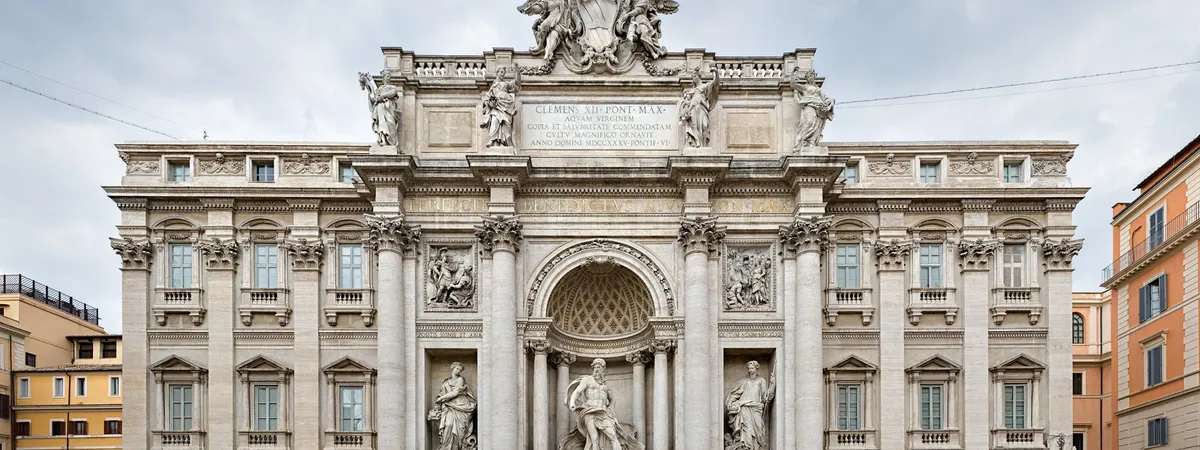
David Iliff / Wikimedia Commons, CC BY 3.0
Rome
Best for: First-time visitors, Couples, Architecture lovers, Nightlife
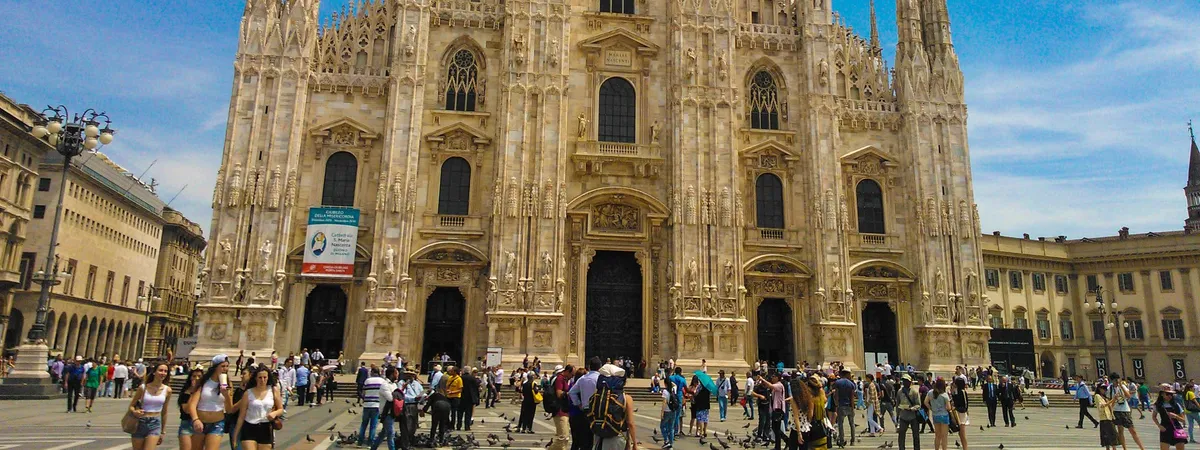
NahidSultan / Wikimedia Commons, CC BY-SA 4.0
Milan
Best for: Architecture lovers, Luxury travelers, Couples
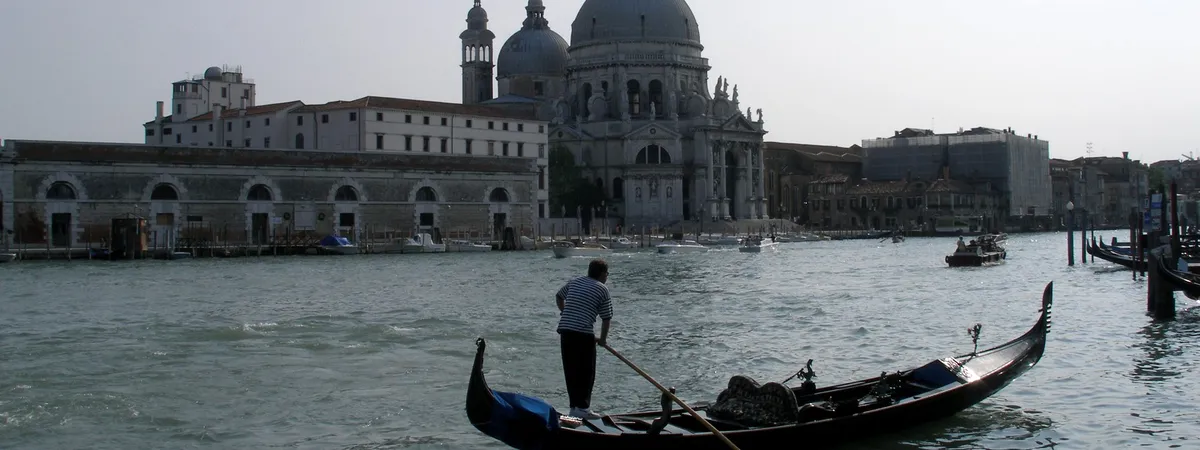
Vyacheslav Argenberg / Wikimedia Commons, CC BY 4.0
Venice
Best for: First-time visitors, Couples, Architecture lovers, Luxury travelers
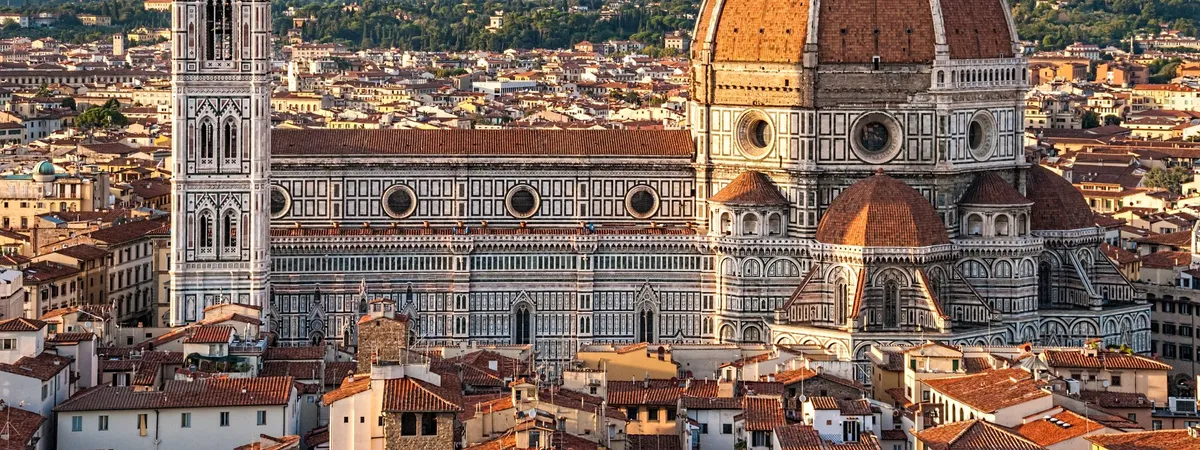
Gary Campbell-Hall / Wikimedia Commons, CC BY 2.0
Florence
Best for: First-time visitors, Couples, Architecture lovers
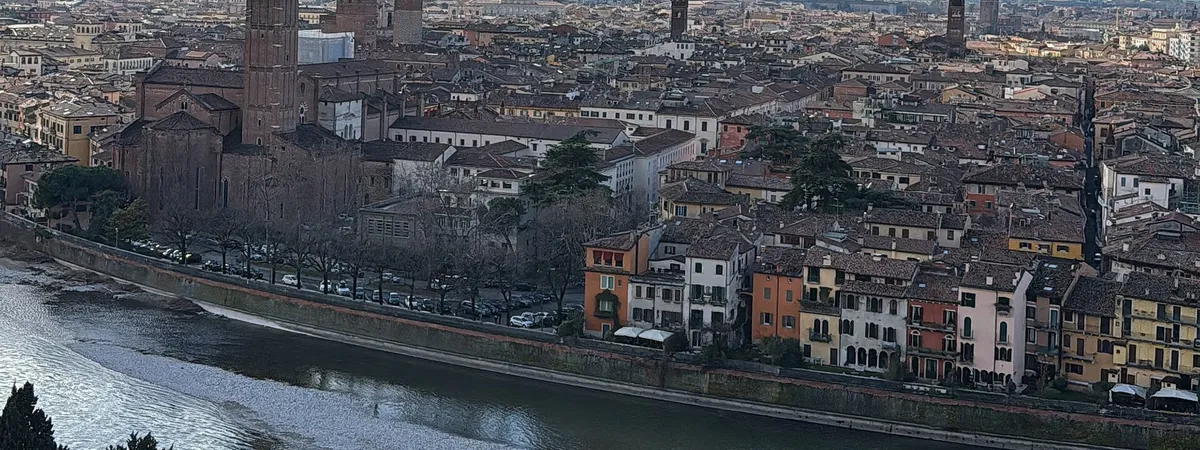
Matycu / Wikimedia Commons, CC0 1.0
Verona
Best for: First-time visitors, Couples, Architecture lovers, Road trips
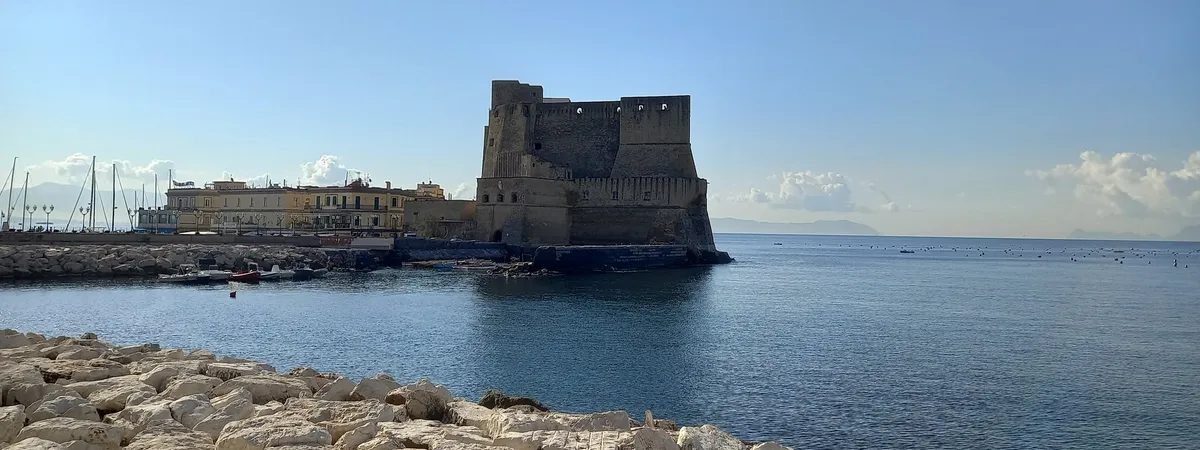
Marco Vito MV001 / Wikimedia Commons, CC BY-SA 4.0
Naples
Best for: Budget travelers, Architecture lovers, Nightlife
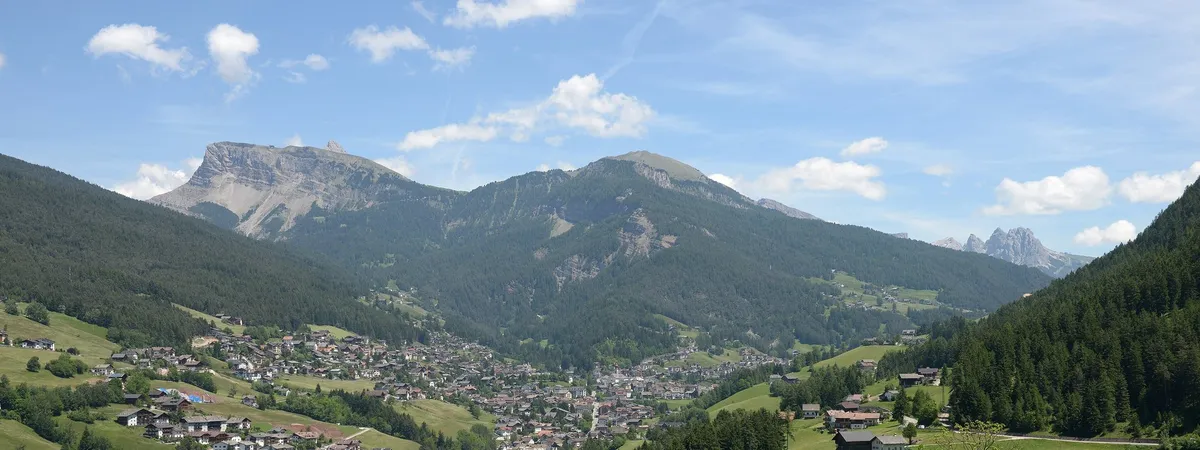
Wolfgang Moroder / Wikimedia Commons, CC BY-SA 3.0
Ortisei
Best for: Road trips, Nature lovers, Hiking, Couples, Families
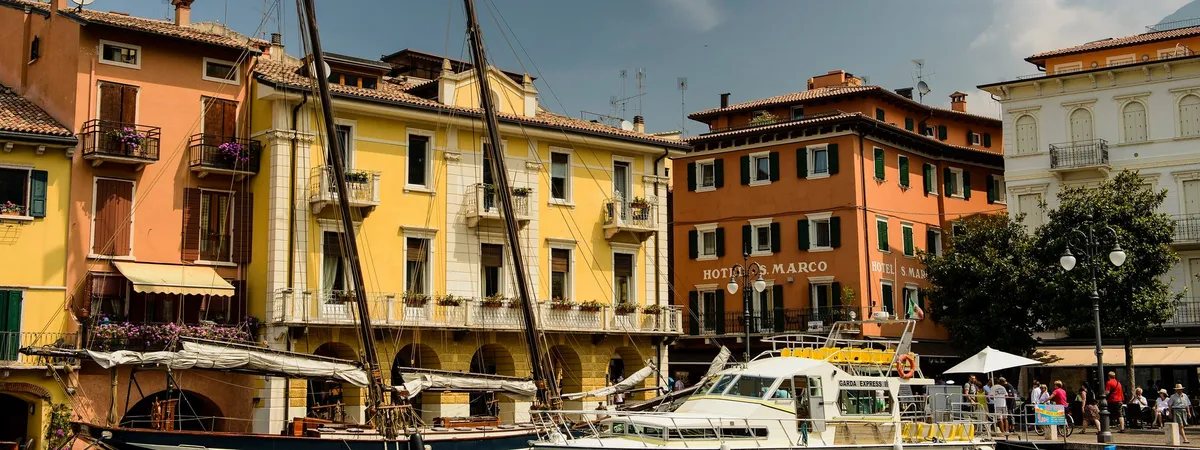
Son of Groucho / Wikimedia Commons, CC BY 2.0
Malcesine
Best for: Couples, Road trips, Nature lovers, Families
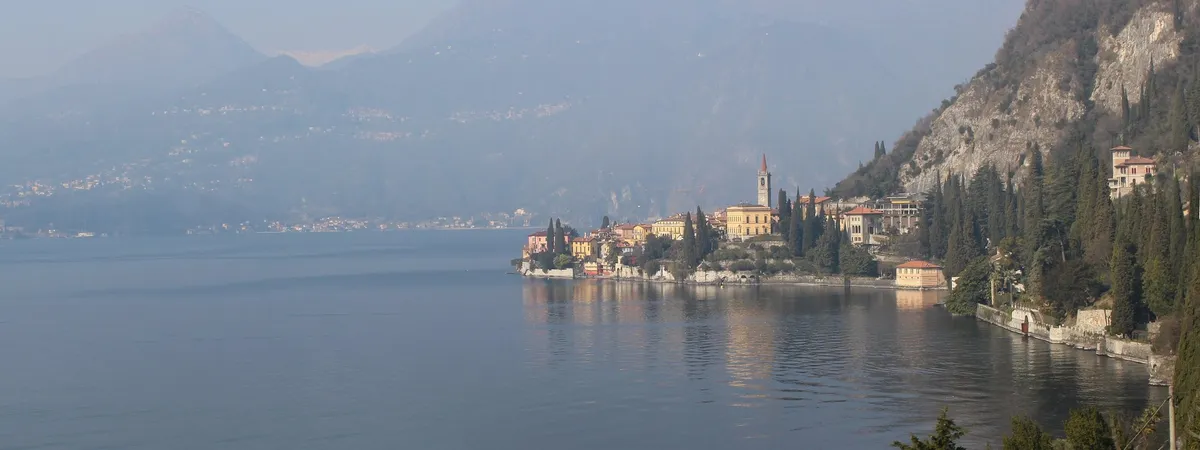
Gabrielle Merk / Wikimedia Commons, CC BY-SA 4.0
Varenna
Best for: Couples, First-time visitors, Road trips, Nature lovers
Road trips
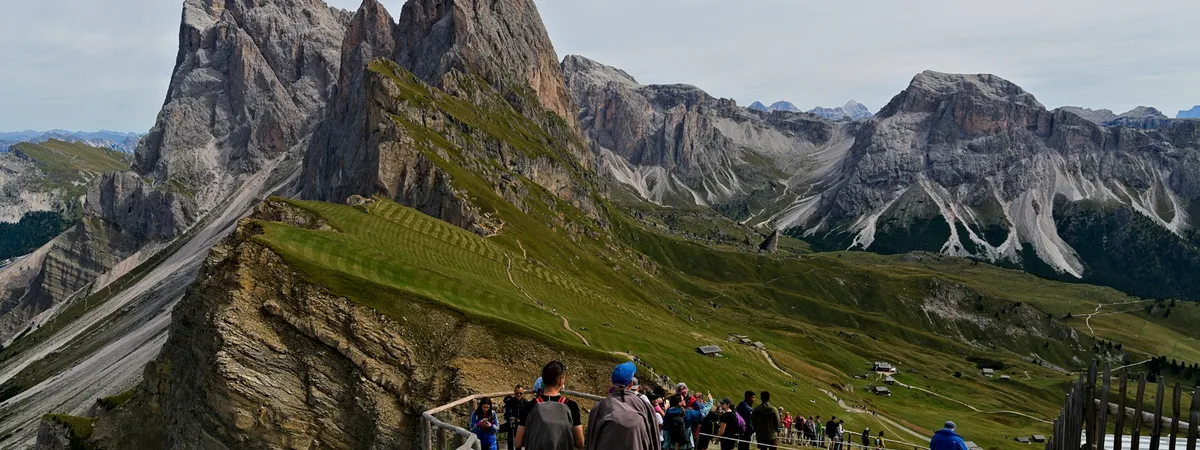
7 Days
7-Day Northern Italy Road Trip from Venice: the Dolomites, Alpe di Siusi & Lake Garda
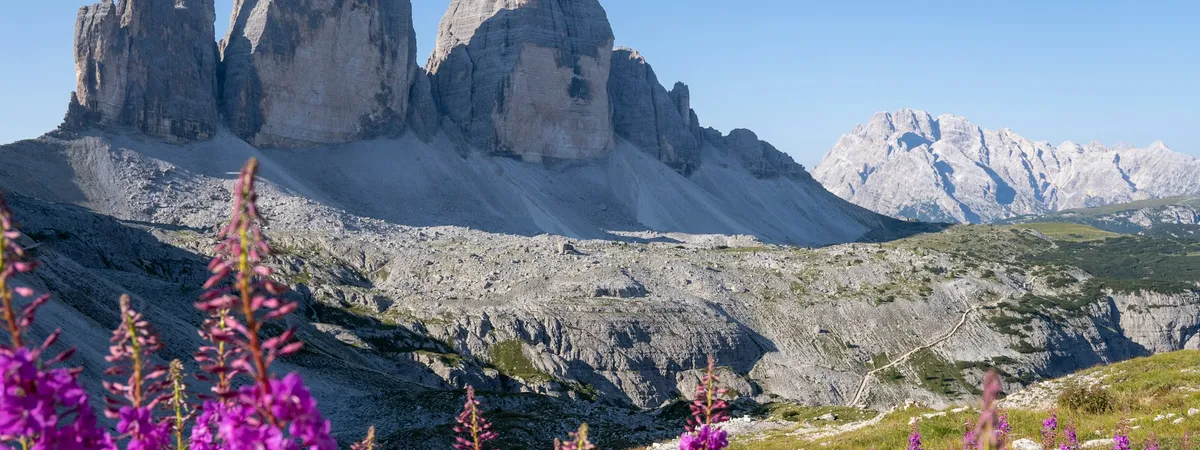
8 Days
8-Day Dolomites Road Trip from Venice, Italy: Cortina, Alta Badia & Val Gardena
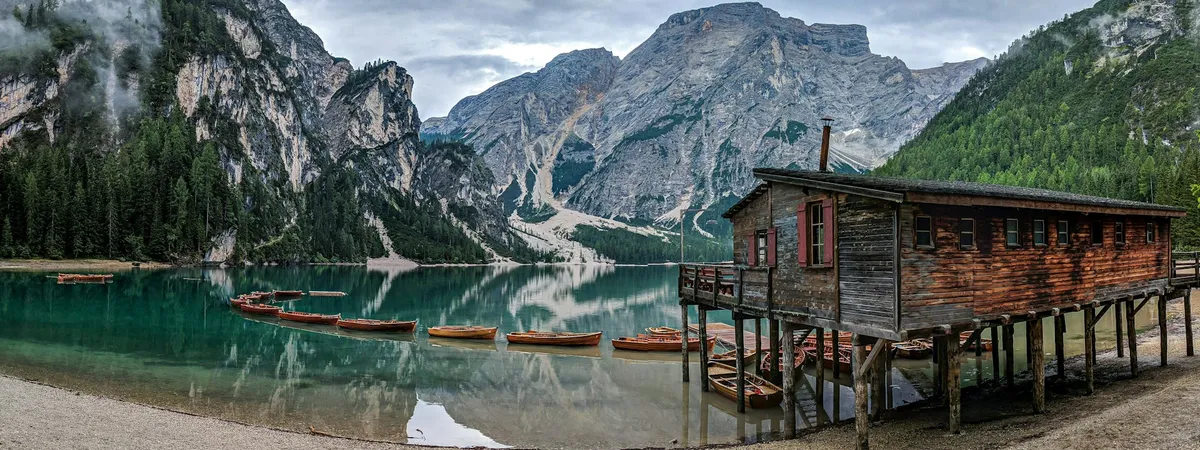
10 Days
10-Day Alps Road Trip from Milan, Italy: Lake Como, the Dolomites & Lucerne
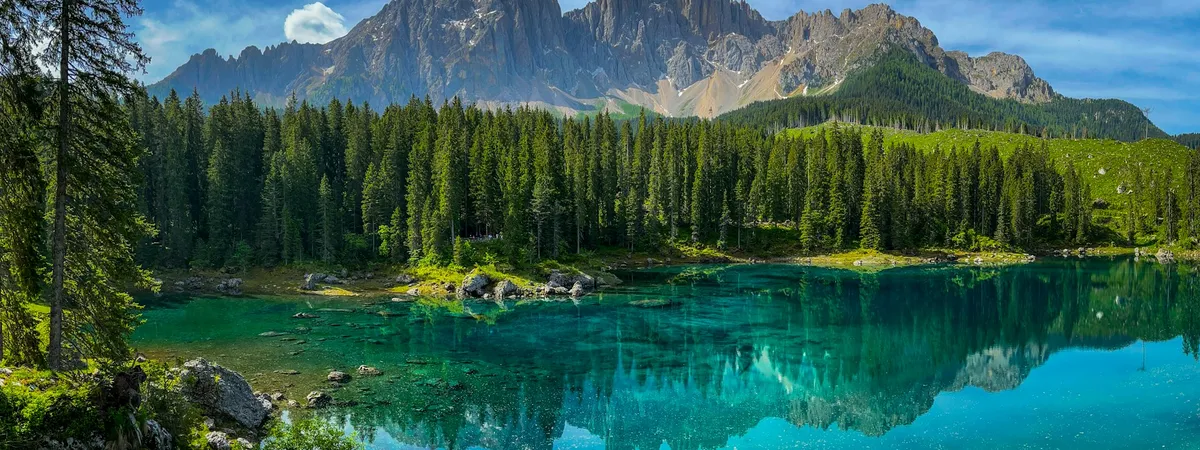
11 Days
11-Day Northern Italy Road Trip from Milan: Lake Como, the Dolomites & Lake Garda
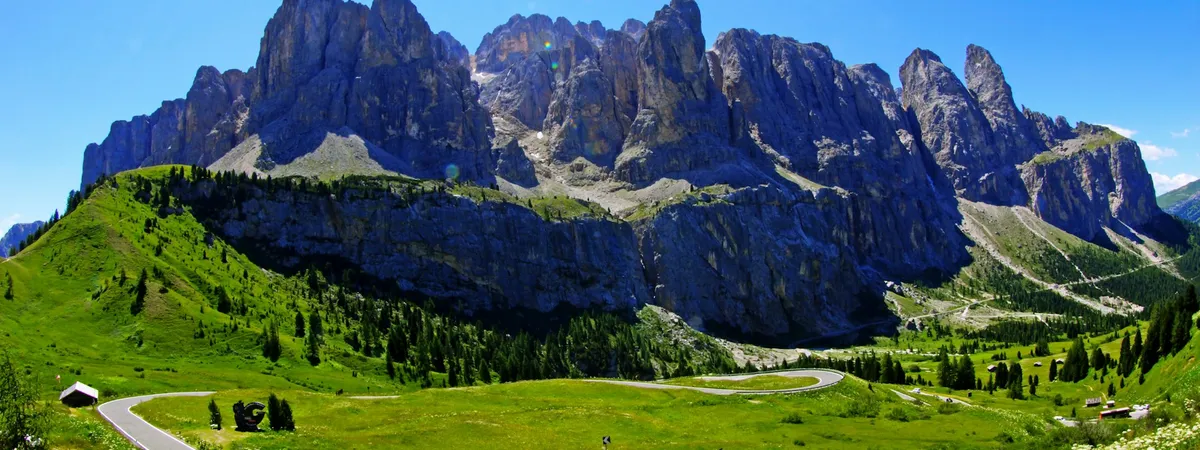
14 Days
14-Day Northern Italy Road Trip from Milan: Lake Como, the Dolomites & Venice
Tips
- Book train tickets for Rome–Florence, Florence–Venice, and similar routes online in advance. High-speed trains have assigned seats and fares rise closer to departure.
- Reserve major sights ahead of time — the Colosseum, the Vatican Museums, Florence's Uffizi Gallery and Accademia (for Michelangelo's David), and Milan's Last Supper all sell out, sometimes days or weeks ahead in summer.
- Validate paper train and bus tickets at the small machines on the platform or on board before boarding — an unvalidated ticket can mean an on-the-spot fine, even if you paid for it.
- Pack for a lot of walking on uneven surfaces — cobblestones in old towns, and in Venice, hundreds of small bridges with steps.
Good to know
- Italy has more UNESCO World Heritage Sites than any other country — 61 as of 2025, including entire historic centers like Florence, Venice, and Rome.
- Venice has no roads for cars anywhere in its historic center — everything moves by foot or by boat, along roughly 150 canals crossed by around 400 bridges.
- Mount Vesuvius, the volcano that buried Pompeii in 79 AD, still looms over the Bay of Naples and remains active, making it one of the most closely monitored volcanoes in the world.
Frequently asked questions
- What's the best way to get around Italy?
- High-speed trains connect the major cities quickly and comfortably — Rome to Florence is under 1.5 hours, Florence to Venice around 2 hours. Within any city center, walking (and in Venice, walking plus water transport) is usually easier than driving.
- Do I need to speak Italian to visit?
- No. English is widely spoken in hotels, restaurants, and tourist sites in the major cities, though it's less common in smaller towns and rural areas.
- Is Italy expensive to visit?
- It varies a lot by city and season. Venice and Milan run expensive, especially for hotels; Rome and Florence are mid-to-high; Naples and southern Italy are generally more affordable. Summer (June–August) is the priciest time everywhere.