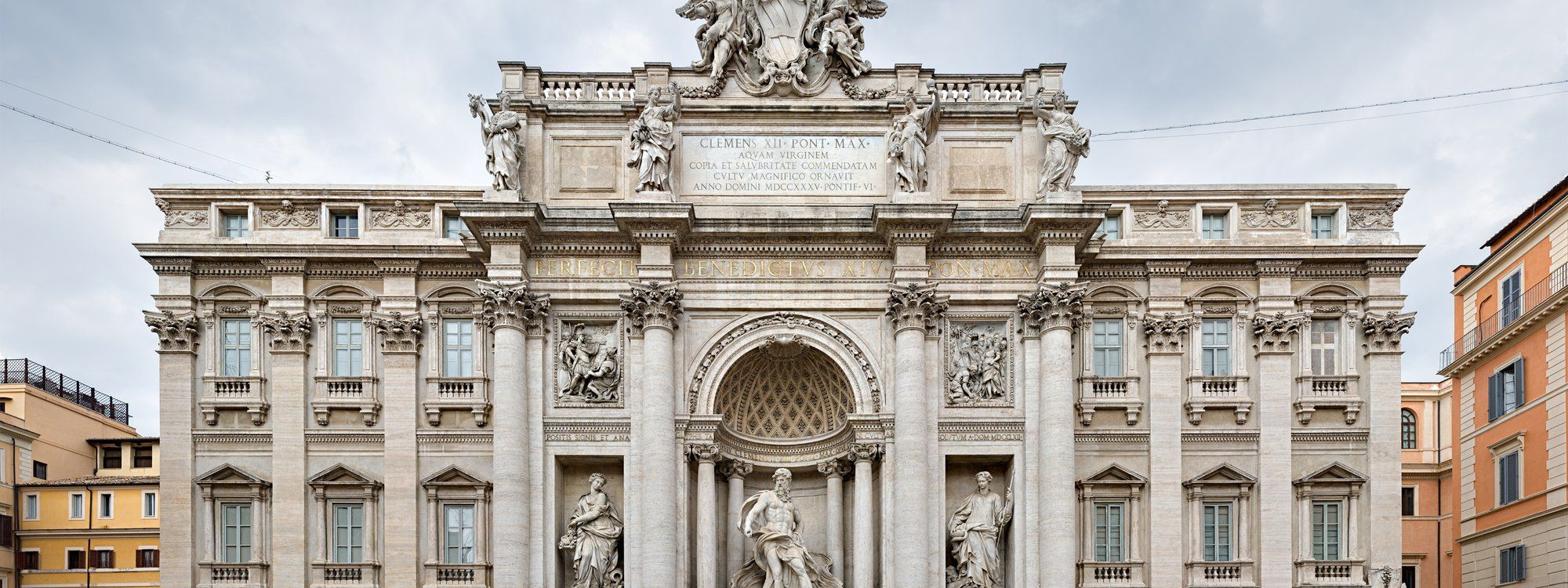
The Trevi Fountain in Rome, with its Baroque facade of statues and columns rising behind the water

David Iliff / Wikimedia Commons, CC BY 3.0

Italy

Where to Stay in Rome

Rome layers nearly 3,000 years of history into one city — ancient ruins, Renaissance churches, and Baroque fountains sit within a few blocks of each other, and everyday life carries on around all of it. The Colosseum and Roman Forum anchor the ancient core, the Pantheon and Trevi Fountain sit in the dense, pedestrian-friendly historic center, and Vatican City, a separate country entirely, holds St. Peter's Basilica and the Vatican Museums. Most of what visitors come to see is within walking distance once you're in the right neighborhood, though Rome is a big, sprawling city overall.

Quick facts

Best time to visit
Visit in April–June or September–October. The weather is warm without the punishing heat and heavier crowds of July and August, when many Romans also head out of the city on their own holidays.
Renting a car
Skip the rental car in central Rome. The historic center is a restricted ZTL zone enforced by cameras, streets are narrow and largely one-way, and parking is scarce and expensive. Walking, the metro, and buses cover everything in this guide.

Where to stay

Compare neighborhoods

AreaBest forAdvantageTrade-off
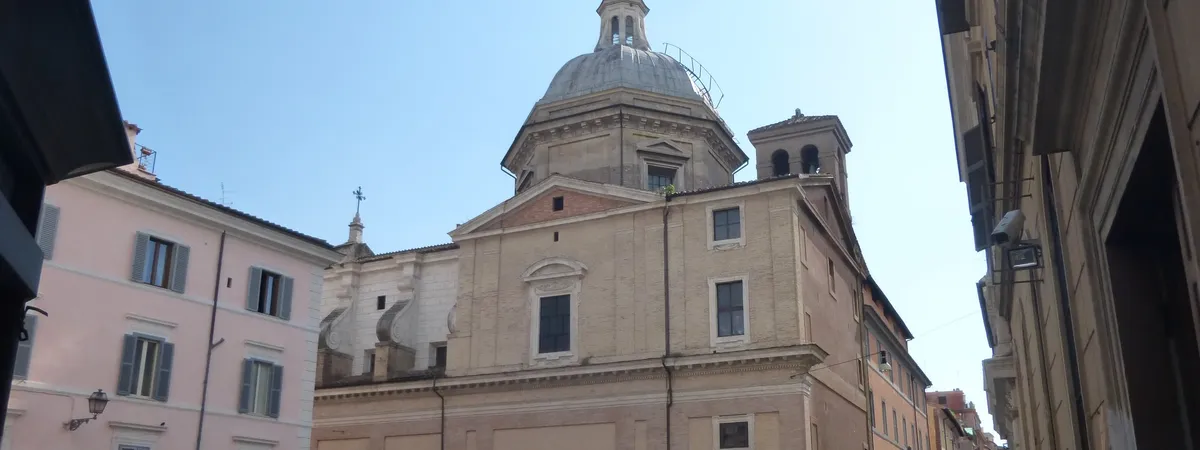
MontiCouplesA short walk from the Colosseum, with a smaller-scale, boutique feel and direct metro access.Narrower and hillier streets than flatter neighborhoods, and farther from the Vatican and Trastevere.
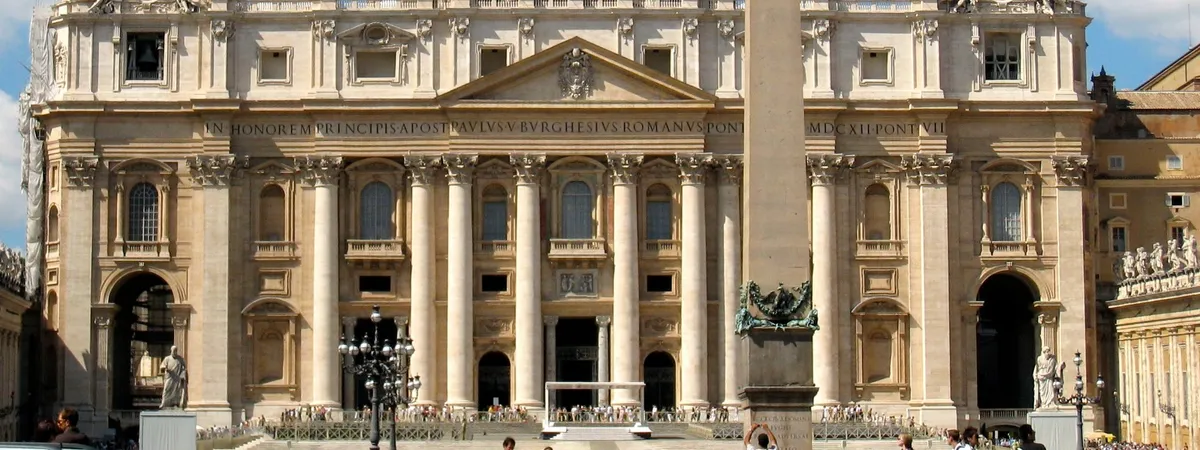
Vaticano/PratiFamiliesDirect metro access, wide walkable streets, and easy proximity to St. Peter's Basilica and the Vatican Museums.Farther from the Colosseum, Pantheon, and Trastevere, and quieter at night than central Rome.
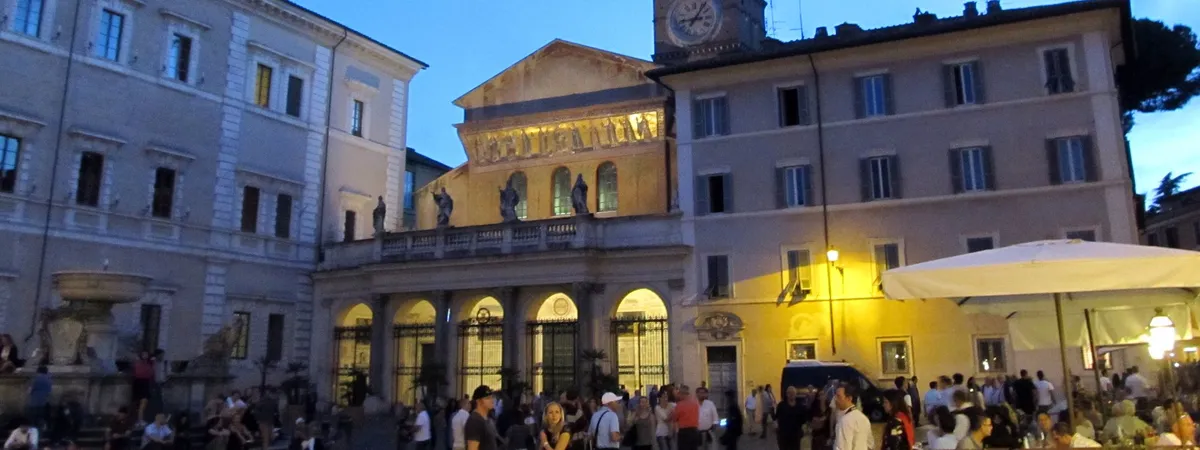
TrastevereCouplesOne of Rome's liveliest neighborhoods after dark, with a more local, lived-in feel than the historic center.No metro station nearby, and evenings can be loud around its main piazzas.
Centro StoricoFirst-time visitorsRome's major historic sights — the Pantheon, Piazza Navona, the Trevi Fountain — are all within a short walk.The most crowded and expensive part of the city, especially near the main piazzas.

Our picks for Rome

A handful of editorial calls across every neighborhood above, not just the highest star rating — see each hotel's own card further down for the full case for and against it.

A couple of hotels in Monti

Monti is the top-recommended area to stay in Rome.

Nerva Boutique Hotel

★★★
  • 🏛️ Best for architecture & design

Our take The view of the Imperial Forums alone makes this one stand out — a well-designed small hotel in a genuinely unbeatable spot for ancient Rome.

Good for

  • Couples
  • Architecture lovers

Couples who want a design-led stay with the Roman Forum practically outside the window.

Why we like it

  • Faces the Imperial Forums directly, with some rooms looking out over the ruins
  • An in-house restaurant and bar, Aurora Bistrot, rather than relying on the neighborhood for every meal
  • A short walk covers the Colosseum, Roman Forum and Piazza Venezia
Check availability on Booking.com

The Fifteen Keys Hotel

★★★★
  • 🏆 Our overall pick

Our take Small enough to feel personal, and well placed for both Monti's own streets and the ancient sights just south of it — a genuinely well-run boutique stay.

Good for

  • Couples
  • First-time visitors

Couples and first-time visitors who want a boutique, personal-feeling stay within easy reach of the Colosseum.

Why we like it

  • Only 15 rooms, each individually designed, with a level of attention that's hard to get at a larger hotel
  • A short walk from Cavour metro station and the Colosseum, while still sitting on one of Monti's quieter streets
  • Small garden courtyard for breakfast or a quiet moment away from the street

What to know

  • Being small and boutique, it books up early in high season
Check availability on Booking.com

Useful travel information

Italy uses the euro. Most international flights land at Fiumicino (Leonardo da Vinci) Airport, connected to central Rome by the Leonardo Express train to Termini station in about 30 minutes; some budget flights use the smaller Ciampino Airport instead, with bus transfers to Termini. Termini is the main hub for trains, metro, and buses. Rome's metro has three lines (A, B, C), supplemented by buses and trams — a combination of metro and walking covers most of what's in this guide. The historic center is largely a ZTL (limited traffic zone), where private cars are restricted to residents; as a visitor you generally won't be driving here anyway.

Tips

  • Book tickets for the Colosseum and Vatican Museums online in advance — both regularly sell out, especially in summer, and lines without a pre-booked ticket can run long.
  • Validate paper bus and metro tickets at the small machines before boarding. An unvalidated ticket can mean an on-the-spot fine, even if you already paid for it.
  • Pack comfortable shoes — much of the center is cobblestone, and you'll likely cover several miles a day on foot between sights.
  • Many smaller restaurants close in the afternoon, roughly 3–7pm, then reopen for dinner. Plan meals around this rather than your usual mealtimes.

Frequently asked questions

Where should first-time visitors stay in Rome?
Centro Storico puts you within walking distance of the Pantheon, Piazza Navona, and the Trevi Fountain. Prefer a calmer base near the Colosseum with a trendier, more local feel? Monti is a strong alternative.
Is Rome walkable?
The historic core is very walkable, and each neighborhood in this guide is easy to explore on foot. The city overall is large, though, so you'll likely use the metro or bus to move between neighborhoods that are farther apart, like the Vatican area and Trastevere.
How many days do you need in Rome?
Three to four days is enough to see the major sights — the Colosseum, Roman Forum, Vatican Museums, and the historic center — without rushing. Add extra days if you want to explore neighborhoods like Trastevere and Monti at a slower pace.