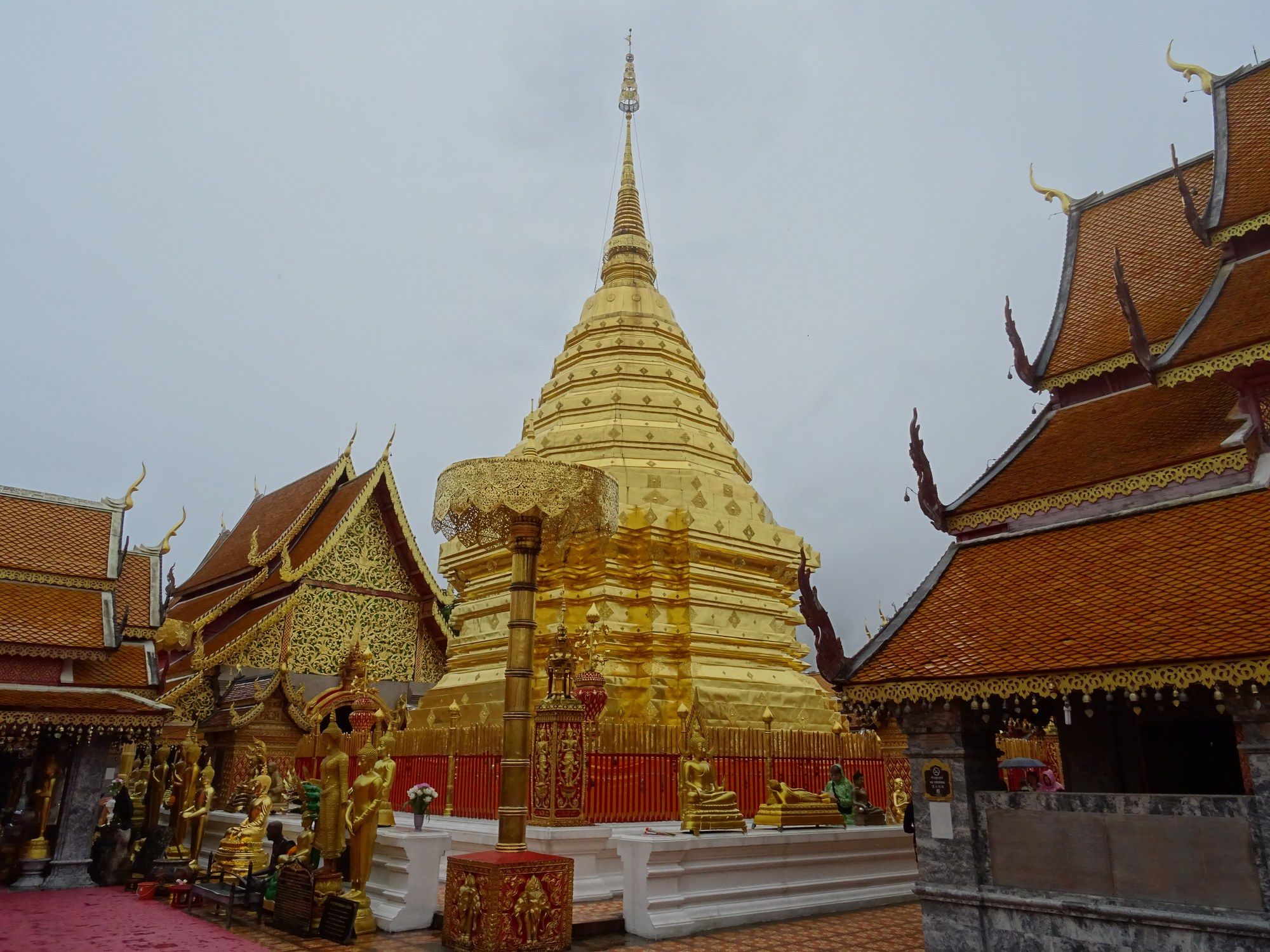

The golden chedi of Wat Phra That Doi Suthep against the sky, on the mountain overlooking Chiang Mai

Christophe95 / Wikimedia Commons, CC BY-SA 4.0

Thailand

Where to Stay in Chiang Mai

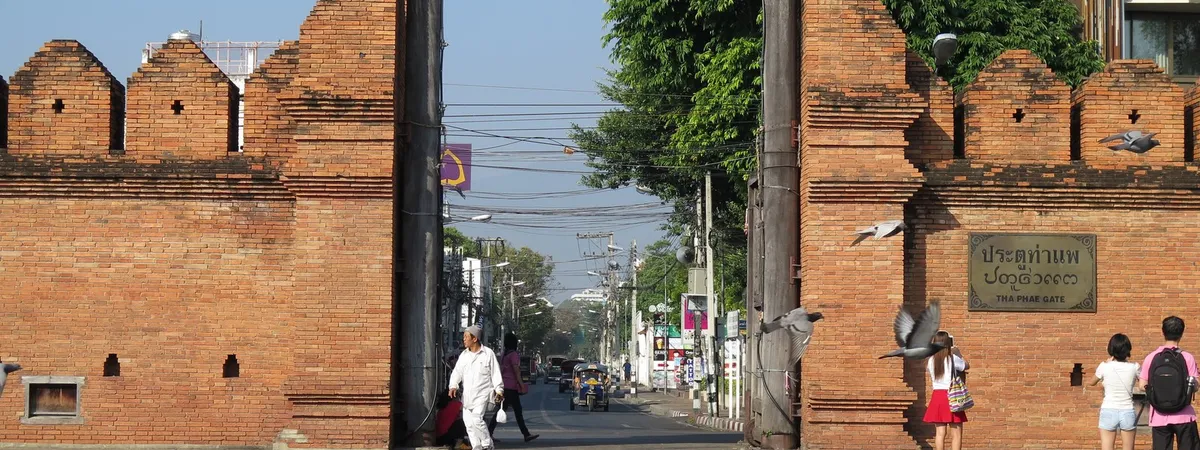
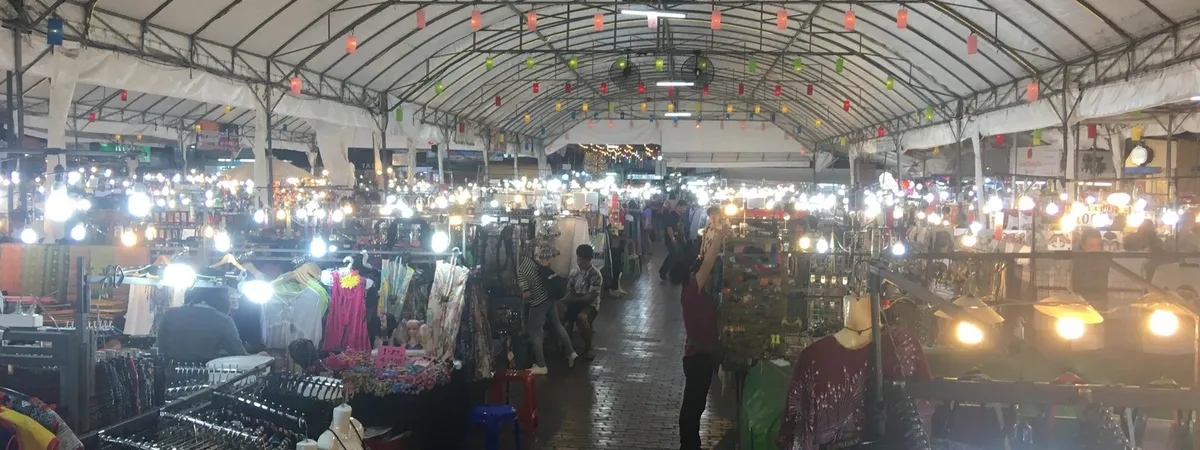
Chiang Mai is northern Thailand's cultural capital — a former Lanna kingdom seat built around a nearly perfect square of brick walls and a moat, with hundreds of temples packed inside and around it. It moves at a slower, cooler pace than Bangkok, ringed by forested mountains instead of skyscrapers, with Doi Suthep's golden chedi visible from much of the city on a clear day. The moated Old City holds the highest concentration of historic temples and guesthouses; Nimmanhaemin (Nimman), just west of the moat, is the modern, cafe-and-gallery district popular with digital nomads and design-minded travelers; and the Chang Klan area east of the moat, home to the Night Bazaar, is where the city's bigger hotels and river-adjacent luxury properties cluster. This guide covers the areas that work best for a visitor's first — or fifth — trip to Chiang Mai.

Quick facts

Best time to visit
The cool season (November–February) is by far the most comfortable time to visit, with mild temperatures, low humidity, and clear mountain views — it's also the busiest and most expensive stretch, and the only time you'll want more than a light layer in the evenings. March–April turns hot and is also burning season in the region, when agricultural fires can bring haze and poor air quality to the Chiang Mai valley — worth checking air quality forecasts if you're sensitive to it. The rainy season (roughly June–October) brings warm temperatures and short afternoon downpours rather than all-day rain, and is a quieter, better-value time to visit.
Renting a car
A car isn't necessary for the areas in this guide — the Old City, Nimman, and Chang Klan are all walkable individually, and songthaews or Grab cover trips between them cheaply. A rental car (or a car with a driver) becomes useful if you're planning day trips into the surrounding mountains, such as to Doi Suthep, Doi Inthanon, or the elephant sanctuaries outside the city, where public transport options thin out.

Where to stay

Compare neighborhoods

AreaBest forAdvantageTrade-off
Old CityFirst-time visitorsThe highest concentration of historic temples in the city, all within walking distance of each other.Quieter nightlife and fewer large hotels with pools than Nimman or Chang Klan.
NimmanCouplesThe best concentration of specialty coffee, design shops, and restaurants in the city.A 15–20 minute ride from the Old City's temples rather than walking distance.
Night Bazaar / Chang KlanNightlifeThe widest choice of larger hotels with pools, plus the Night Bazaar right outside.Busier and more commercial after dark than the Old City or Nimman, and a moat crossing away from the main temples.

Our picks for Chiang Mai

A handful of editorial calls across every neighborhood above, not just the highest star rating — see each hotel's own card further down for the full case for and against it.

A couple of hotels in Old City

Old City is the top-recommended area to stay in Chiang Mai.

Tamarind Village

★★★★
  • 🏆 Our overall pick
  • 📍 Best location

Our take Our overall pick for the Old City — a genuinely central location with a garden hotel's sense of calm, at a price that doesn't reach for full luxury.

Good for

  • First-time visitors
  • Couples

First-time visitors and couples who want to be in the middle of the Old City — Wat Chedi Luang, Tha Phae Gate, and the Sunday Walking Street market are all within a few minutes' walk.

Why we like it

  • The Sunday Walking Street market runs right past the hotel, without the room noise that usually comes with being this central, thanks to the garden layout set back from the road
  • A large, mature tamarind tree and garden grounds give the property a green, quiet feel uncommon this close to the main sights
  • Wat Chedi Luang and Tha Phae Gate are both a short walk away
  • Rooms have a private balcony and tribal-pattern decor distinct from standard hotel design

What to know

  • Renovation work on select rooms is scheduled in phases during 2026 — worth checking current dates before booking if daytime noise is a concern
  • A photo ID and credit card are required at check-in
Check availability on Booking.com

Rachamankha

★★★★★
  • ✨ Best luxury
  • ❤️ Best for couples

Our take One of the most distinctive places to stay in the Old City — the courtyard layout and library give it a calm, almost monastic feel that's hard to find elsewhere in Chiang Mai.

Good for

  • Luxury travelers
  • Couples

Couples and travelers looking for a quiet, design-led boutique stay within walking distance of the Old City's temples.

Why we like it

  • Rooms are built around a series of quiet courtyards, with a layout that keeps the property feeling calm even when it's full
  • An on-site library and outdoor pool give guests places to relax without leaving the property
  • Within a short walk of Wat Phra Singh and the Sunday Walking Street route
  • The restaurant serves a sit-down breakfast with a proper menu rather than a standard buffet

What to know

  • Rooms are set back from the street in a series of low buildings, so some rooms are a longer walk from the entrance and reception
  • The minimum check-in age is 18, and the property doesn't accommodate children under 12
Check availability on Booking.com

Useful travel information

Thailand uses the baht (฿). Chiang Mai has no metro or skytrain — songthaews (shared red pickup-truck taxis), Grab, and tuk-tuks cover most trips, and each of the areas in this guide is walkable on its own once you're there. Dress modestly (shoulders and knees covered) when visiting temples, and remove your shoes before entering any temple building. April's Songkran festival (the Thai New Year water festival) is celebrated especially intensely in Chiang Mai's Old City, with days of citywide water fights — plan accommodation and expectations accordingly if visiting then.

Tips

  • Grab (the regional ride-hailing app) is the easiest way to get a metered, hassle-free ride and avoids the fare-haggling that red songthaews and tuk-tuks sometimes push for with visitors.
  • The Sunday Walking Street market closes Ratchadamnoen Road, the Old City's main east–west street, to traffic every Sunday evening — it's one of the best times to see the Old City, but hotels right on the route can be noisy until late.
  • March–April can bring seasonal smoke haze from agricultural burning in the region — if you're visiting then, check the air quality index for Chiang Mai before you finalize dates, especially if traveling with children or anyone with respiratory sensitivity.

Frequently asked questions

Where should first-time visitors stay in Chiang Mai?
The Old City is the easiest first base — most major temples are within walking distance, and it has the widest range of guesthouses and boutique hotels. Nimman is a strong alternative if cafes, design shops, and a younger crowd matter more to you than being steps from the temples.
Is Chiang Mai walkable?
Each neighborhood in this guide is walkable on its own, but Chiang Mai is too spread out to cross entirely on foot — songthaews, Grab, and tuk-tuks are cheap and cover the gaps between areas in 10–20 minutes.
How many days do you need in Chiang Mai?
Three to four days covers the main Old City temples, a day trip to Doi Suthep, and time in Nimman or the Night Bazaar — add more if you're planning an elephant sanctuary visit, a cooking class, or a trip further into the surrounding mountains.