Last updated June 18, 2026

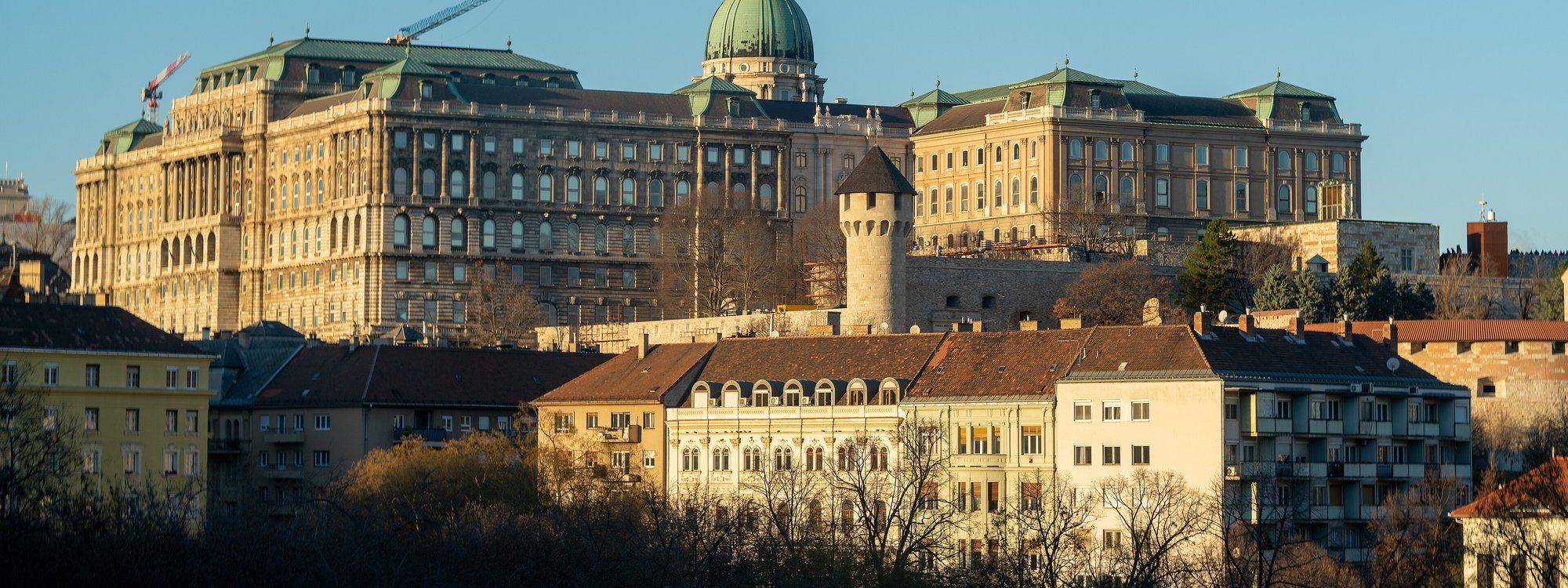
Buda Castle's Baroque palace complex seen across the Danube in late-afternoon light

Paul Colin Hennig / Wikimedia Commons, CC BY-SA 4.0

Hungary

Where to Stay in Budapest

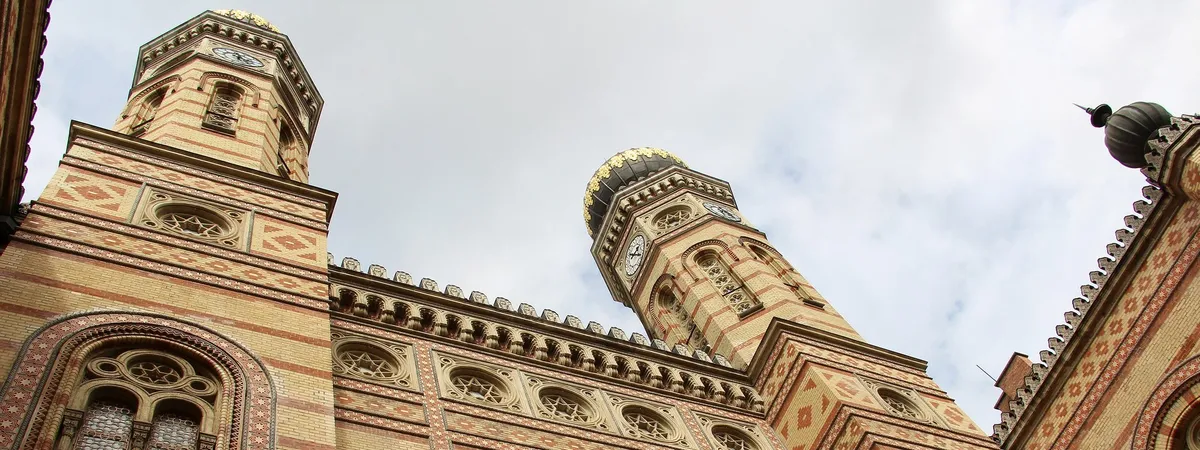
Budapest is really two cities stitched together by the Danube: hilly, castle-topped Buda on the west bank, and flat, grid-planned Pest on the east. Almost everything a first-time visitor wants sits on or near the Pest side — the pedestrian core of Belváros, the grand 19th-century boulevard of Andrássy út, and the Jewish Quarter's mix of the Great Synagogue and ruin bars — with Buda's Castle Hill a short trip across one of the city's landmark bridges. What sets Budapest apart from other Central European capitals is how much of its appeal is still functional rather than purely decorative: the thermal baths are genuinely used by locals, the Great Market Hall still sells actual groceries alongside souvenirs, and the metro's oldest line still runs the original 1896 route under Andrássy út. The result is a city that rewards walking between sights rather than checking them off — the center is compact enough to cross on foot in under an hour, and most of what matters to a short visit sits within that walkable core.

Quick facts

Best time to visit
Late April to June and September to early October bring mild weather without the peak-summer crowds and heat. July and August are warm, busy, and the best months for outdoor thermal baths and rooftop bars, but the center gets crowded and accommodation prices rise. Winter is quiet and cold, though the Christmas markets around Vörösmarty tér draw their own visitors in December.
Renting a car
A car mostly gets in the way here: central Pest has narrow one-way streets, limited and metered parking, and a paid congestion zone in parts of the center, while the areas covered in this guide are all walkable or a short tram/metro ride apart. Skip the rental unless you're planning day trips well outside the city.

Where to stay

Compare neighborhoods

AreaBest forAdvantageTrade-off
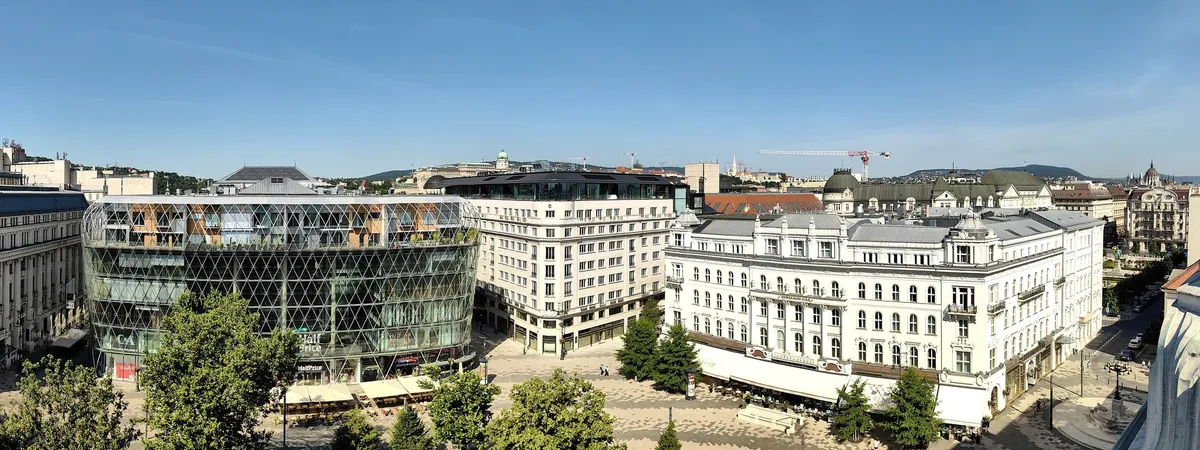
BelvárosFirst-time visitorsThe most central, walkable base for covering Pest's main sights without relying on transit.Prices and crowds along the main streets run higher than almost anywhere else in the city.
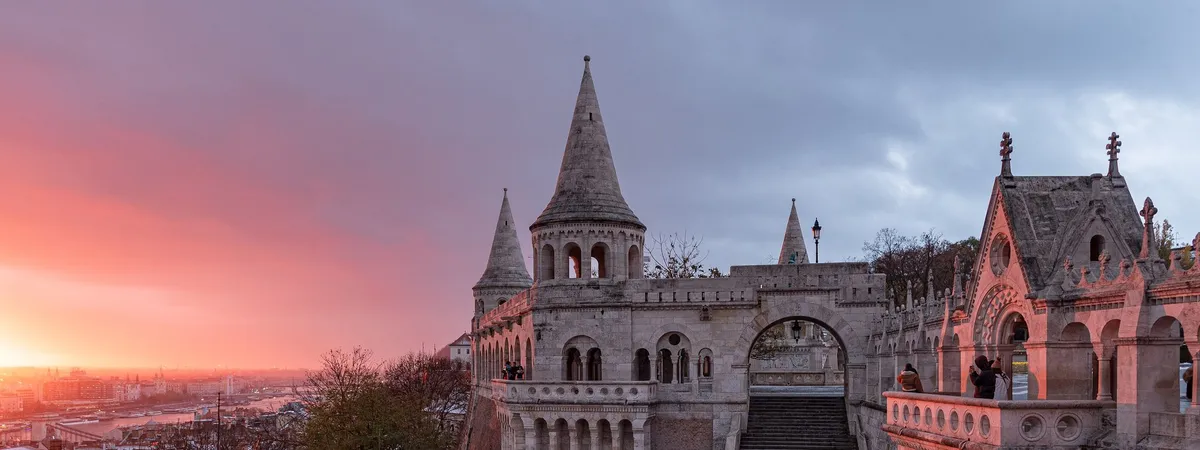
Castle DistrictFirst-time visitorsThe most scenic, historic base in Budapest, with panoramic Danube views built into the neighborhood itself.It's a hill climb or a funicular/bus ride away from the restaurants, bars, and nightlife on the Pest side.
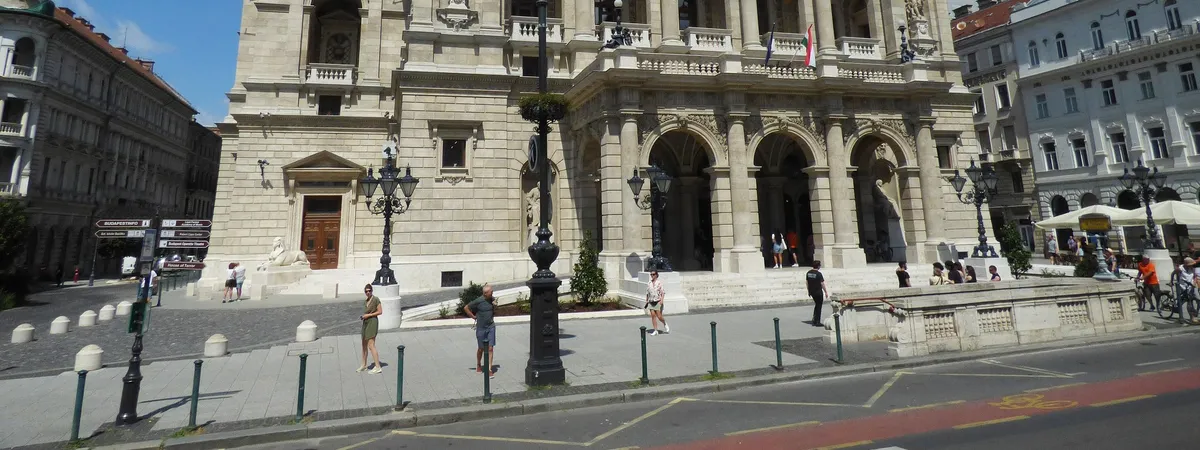
Andrássy útCouplesA grand, walkable boulevard address with the M1 metro making the rest of the avenue easy to reach.Quieter at night than the Jewish Quarter, with less nightlife directly on your doorstep.
Jewish QuarterNightlifeThe best base for Budapest's ruin bar nightlife, steps from your hotel door.Rooms facing the main bar streets can be genuinely loud on weekend nights.

Our picks for Budapest

A handful of editorial calls across every neighborhood above, not just the highest star rating — see each hotel's own card further down for the full case for and against it.

A couple of hotels in Belváros

Belváros is the top-recommended area to stay in Budapest.

Hotel Rum Budapest

★★★★
  • 🏛️ Best for architecture & design
  • 💰 Best value

Our take Hotel Rum earns a place here through its combination of considered, contemporary design and a quieter pocket of Belváros near the Great Market Hall, giving it a different feel from the grander hotels closer to Vörösmarty tér.

Good for

  • Couples
  • First-time visitors
  • Architecture lovers

Couples and design-minded travelers who want a smaller, more personal hotel than Belváros's big luxury properties, still within easy walking distance of Váci utca and the Danube.

Why we like it

  • A distinct, design-led interior that stands out from the more classic five-star hotels elsewhere in the district.
  • A short walk from the Great Market Hall and the Danube promenade, in a slightly quieter part of Belváros.
  • A rooftop restaurant with views over the surrounding rooftops, a nice extra for a hotel at this price point.

What to know

  • Rooms range in size, with the smaller categories running compact — worth checking the room type carefully when booking.
  • It's a bit further from Vörösmarty tér and the main shopping stretch of Váci utca than hotels closer to the square, roughly a 10-minute walk.
Check availability on Booking.com

Kempinski Hotel Corvinus Budapest

★★★★★
  • ✨ Best luxury
  • 📍 Best location

Our take Kempinski Corvinus earns its place through sheer location — right on Erzsébet tér, a couple of minutes from Deák Ferenc tér's three metro lines — combined with the scale and service level of a large international five-star property.

Good for

  • Luxury travelers
  • Couples
  • First-time visitors

First-time visitors and couples who want a large, full-service five-star hotel right in the center of Pest, with easy access to both the metro network and the main pedestrian streets.

Why we like it

  • Sits directly on Erzsébet tér, one of central Pest's biggest green squares, with Deák Ferenc tér's metro interchange a short walk away.
  • Many rooms are relatively spacious for a central Budapest hotel, with full five-star amenities including a spa and gym.
  • A short, flat walk from Váci utca, the Basilica, and the Danube promenade.

What to know

  • As a large hotel, the lobby and breakfast areas can feel busy at peak times.
  • Square-facing rooms can pick up some street noise from Erzsébet tér — ask for a courtyard-facing room if you prefer quiet.
Check availability on Booking.com

Useful travel information

Hungary uses the forint (Ft), not the euro — card payments are widely accepted, but it's worth carrying some cash for smaller cafés and market stalls. English is common in hotels and central restaurants, less so outside the tourist core. The metro, trams, and buses run on one ticket system and cover the city well; a short-term travel pass is usually the simplest option if you're moving around a lot. Tipping around 10% at restaurants is customary and often not included in the bill.

Tips

  • Budapest's thermal baths (Széchenyi, Gellért, Rudas) are worth building a few hours around — go on a weekday morning if you want to avoid the busiest crowds.
  • The M1 metro line running under Andrássy út is the oldest on the European mainland — it's a quick, atmospheric way to cover the avenue if you don't want to walk the whole length.
  • Ruin bars in the Jewish Quarter get busiest late; if you want to see the buildings themselves without the crowd, an early-evening visit works better than a Friday midnight one.

Frequently asked questions

How many days do I need in Budapest?
Three to four days covers the main sights comfortably — a day each for Buda's Castle Hill, the Pest center, and one of the thermal baths, with time left for the Jewish Quarter's synagogues and bars. It also works well as a shorter two-day stop.
Is Budapest walkable?
Yes, particularly the Pest side — Belváros, the Jewish Quarter, and the lower stretch of Andrássy út are all within easy walking distance of each other. Getting up to Castle Hill on the Buda side involves more of a climb, though a funicular and buses cover that short stretch.
Is Budapest expensive to visit?
It's generally cheaper than Vienna or Prague for food, drinks, and mid-range hotels, though prices in the most central squares and at well-known sights have risen with tourism. Hungary's forint currency also means it's worth checking whether a price is quoted in HUF or EUR before assuming it's a bargain.