Last updated August 6, 2026
Tim Reckmann / Wikimedia Commons, CC BY 2.0
Asia
United Arab Emirates Travel Guide
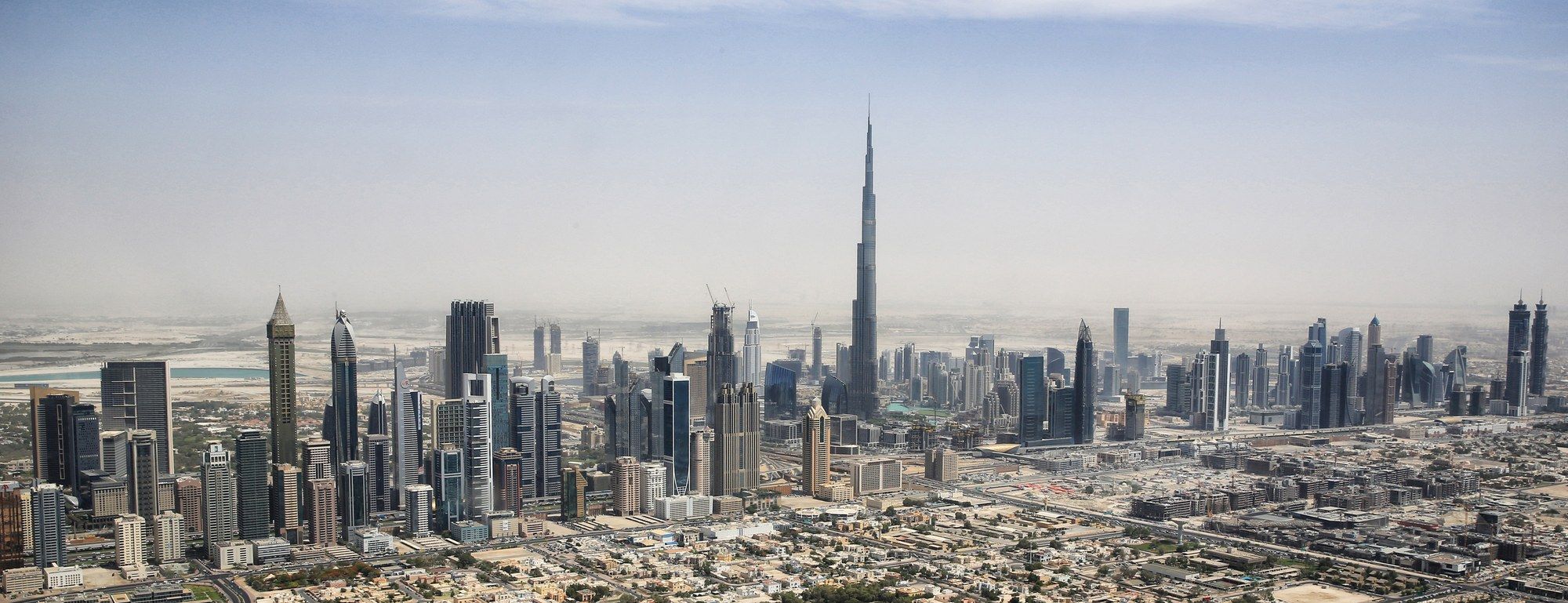
The United Arab Emirates is a federation of seven emirates on the Arabian Peninsula, best known abroad for two of them: Dubai and Abu Dhabi. It's a place of sharp contrasts — glass-and-steel skyscrapers and man-made islands rising straight out of the desert, with camel markets and centuries-old trading creeks still running just a few streets away. The pace of change has been fast: much of what visitors come to see, including the world's tallest building, has gone up in the last two decades.
Quick facts
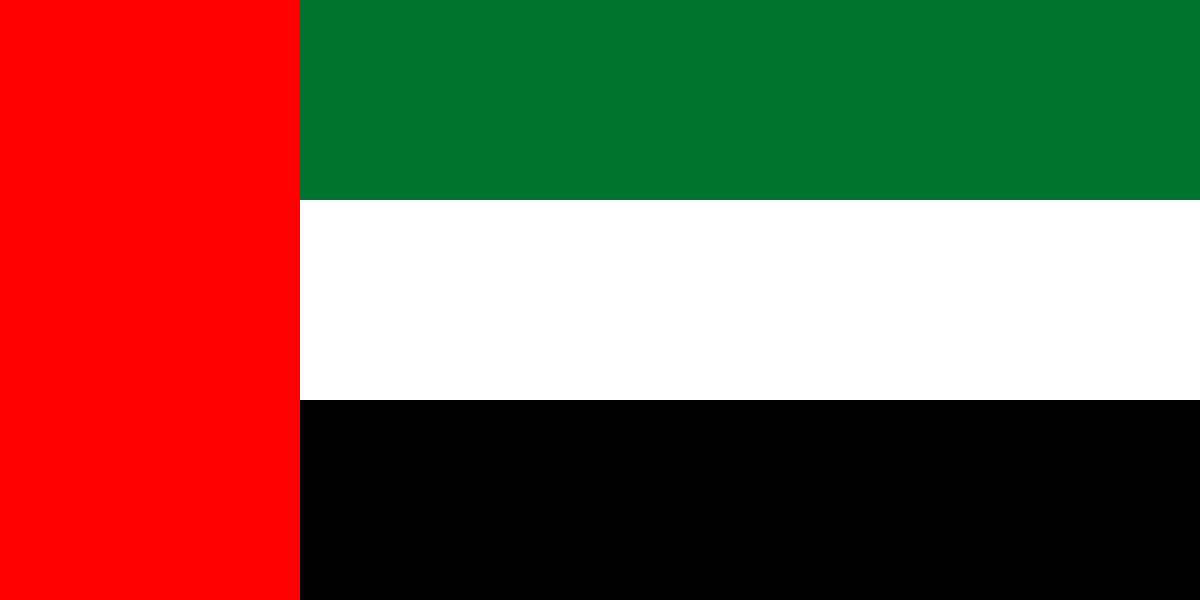
- Flag
- United Arab Emirates
- Capital
- Abu Dhabi
- Language
- Arabic, English
- Currency
- AED (AED)
- Timezone
- Gulf Standard Time (UTC+4, no daylight saving)
- Calling code
- +971
- Driving side
- Right-hand side
Most trips center on Dubai, Abu Dhabi, and Sharjah — the three emirates most visitors fly into and spend time in.
Planning your trip
- Best time to visit
- Visit between November and March. Days are warm and pleasant, evenings are comfortable, and it's the best stretch for spending time outdoors. Avoid June through September if you can — daytime temperatures regularly pass 40°C with high humidity, and most of daily life moves indoors into air-conditioned malls and buildings.
- Good to know
- The UAE uses the dirham (AED), which is pegged to the US dollar. English is widely spoken and used on most signage, so getting around without Arabic is easy. The country is very safe and modern, but it's also conservative — cover shoulders and knees when visiting mosques, and dress modestly outside beach and pool areas. Alcohol is available in licensed hotel bars and restaurants but not in ordinary shops in most emirates. The weekend falls on Saturday and Sunday.
Cities
Where to stay in each of United Arab Emirates's cities — pick one below to see its best neighborhoods and hotels.
Khanshahab06 / Wikimedia Commons, CC BY-SA 4.0
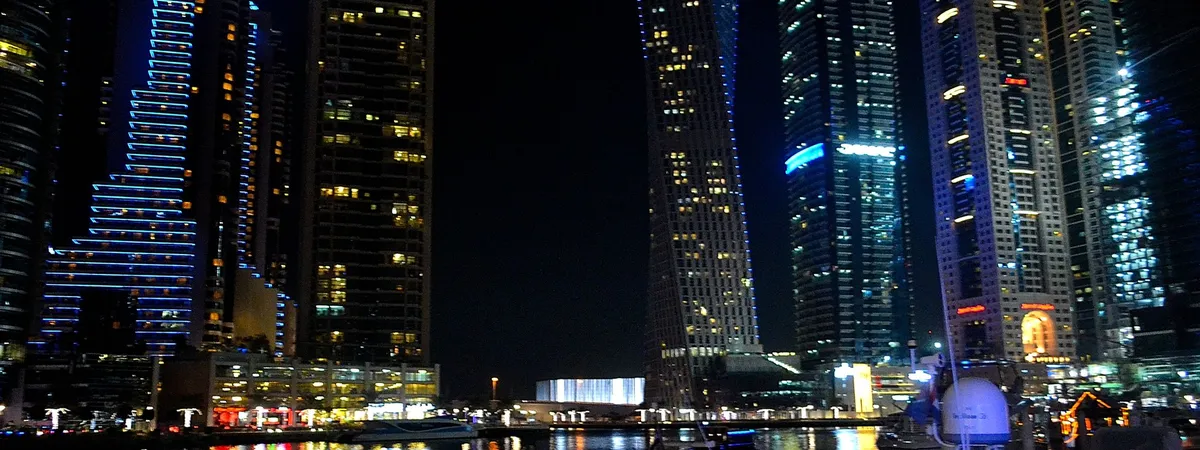
Dubai
Best for: First-time visitors, Couples, Families, Luxury travelers, Architecture lovers, Beach time, Nightlife
Guilhem Vellut / Wikimedia Commons, CC BY 2.0
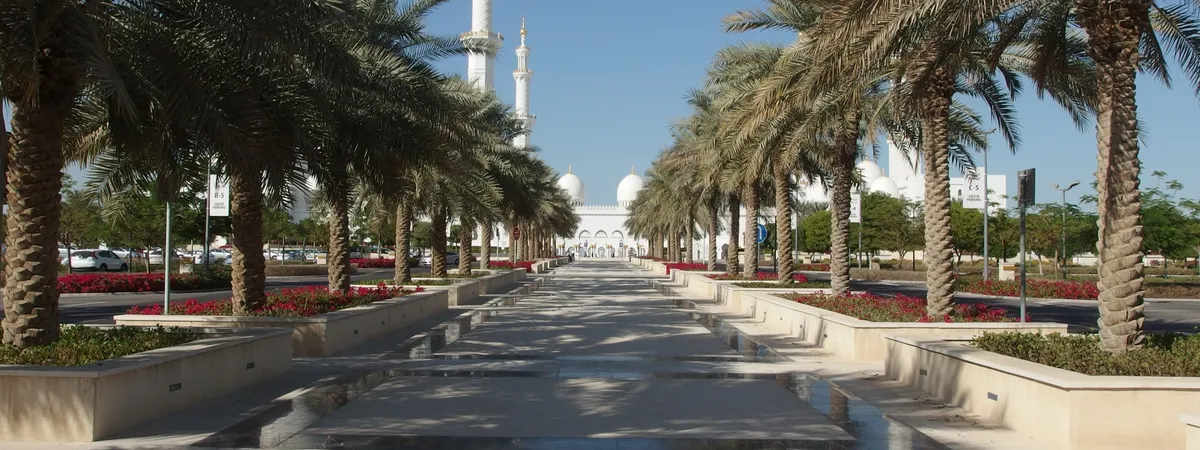
Abu Dhabi
Best for: First-time visitors, Couples, Families, Luxury travelers, Architecture lovers, Beach time
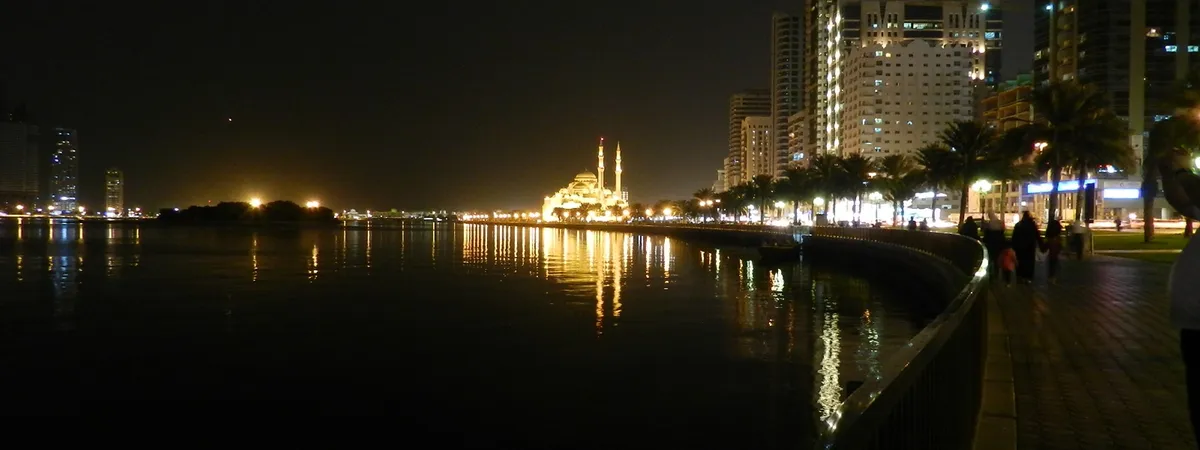
Mohcinali / Wikimedia Commons, CC BY-SA 3.0
Sharjah
Best for: First-time visitors, Families, Budget travelers, Architecture lovers
Tips
- Book major attractions like the Burj Khalifa's observation deck online and in advance — walk-up tickets are far more expensive, and popular time slots sell out.
- Public transport (metro, trams, buses) is clean, cheap, and easy to use in Dubai. A rechargeable Nol card covers all of it.
- Modest dress is expected at mosques and in more traditional neighborhoods, even though hotel pools and beach clubs are far more relaxed about it.
Good to know
- The UAE formed in 1971 as a federation of six emirates: Abu Dhabi, Dubai, Sharjah, Ajman, Umm Al Quwain, and Fujairah, with Ras Al Khaimah joining as the seventh in 1972.
- The Burj Khalifa in Dubai has been the tallest building in the world since it opened in 2010, standing 828 meters tall.
- In January 2022, the UAE moved its official weekend from Friday–Saturday to Saturday–Sunday, aligning its work week more closely with global markets.
Frequently asked questions
- Do I need a visa to visit the UAE?
- Many nationalities, including the US, UK, EU, and most of Western Europe, get a visa on arrival free of charge for stays up to 30 or 90 days depending on nationality. Check your specific requirement before flying, since it varies by passport.
- Is the UAE expensive to visit?
- Dubai and Abu Dhabi can be pricey, especially for hotels and dining, but it doesn't have to break the bank — public transport is cheap, and there's a wide range of hotel and restaurant options outside the five-star end of the market.
- Can I drink alcohol in the UAE?
- Yes, in licensed venues — mainly hotel bars, restaurants, and clubs. It's not sold in ordinary supermarkets in most emirates, and public intoxication is taken seriously, so keep drinking to those licensed venues.