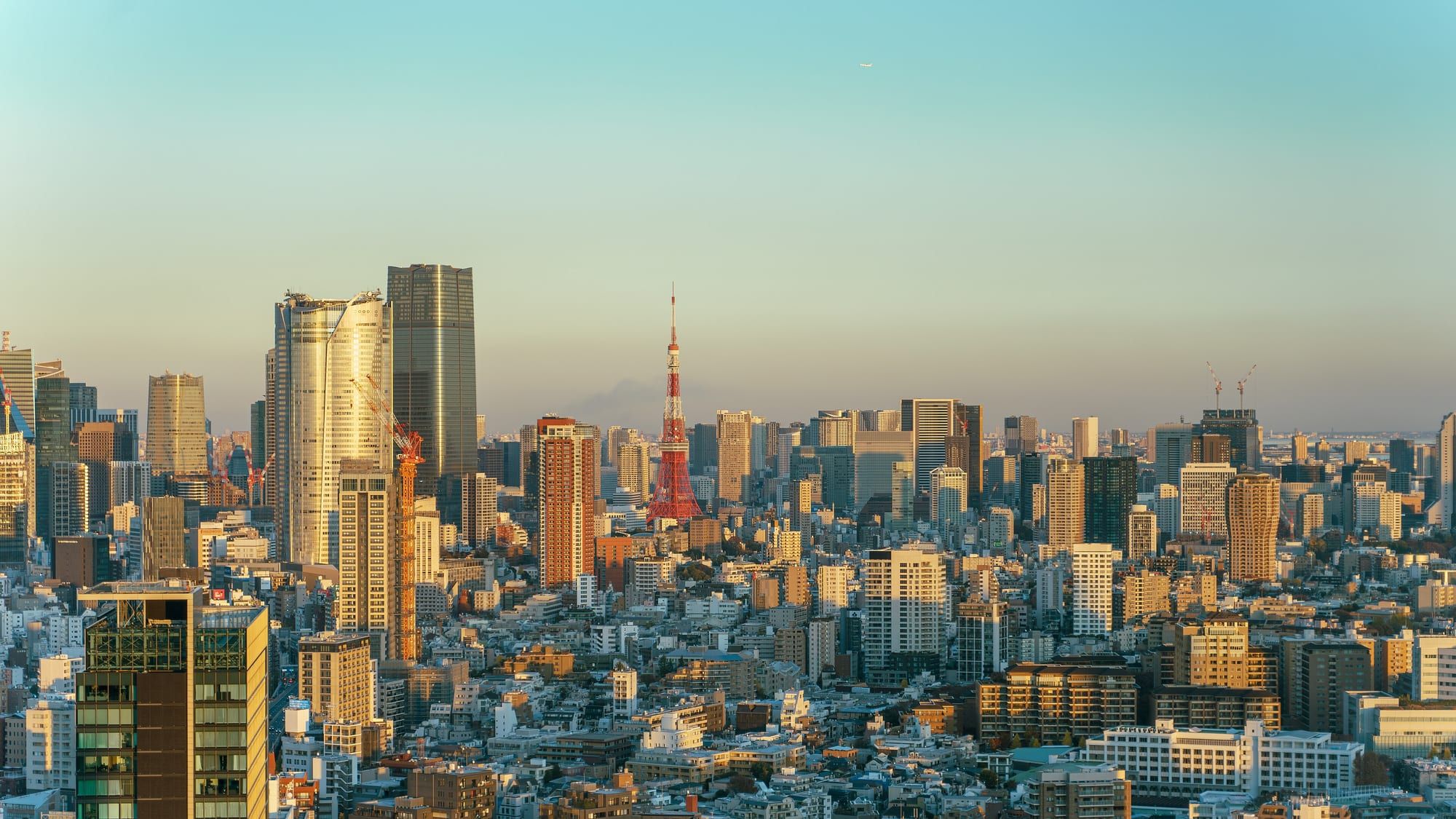
Tokyo Tower lit up at sunset above the Minato City skyline

David Kernan / Wikimedia Commons, CC BY 4.0

Japan

Where to Stay in Tokyo

Tokyo is Japan's capital and, by most measures, its largest city — a sprawl of dozens of distinct neighborhoods stitched together by one of the world's busiest train networks. There's no single "center": Shinjuku, Shibuya, Asakusa, and Ginza each feel like their own city, with their own mood, crowd, and reason to visit. This guide covers the neighborhoods that work best for visitors, whether you want neon and nightlife or old-Tokyo temples. Don't miss the Meiji Shrine's forested grounds, the Tsukiji Outer Market's food stalls, and a ride to the observation deck of the Tokyo Metropolitan Government Building, which is free.

Quick facts

Best time to visit
Visit in spring (late March–April) for cherry blossoms or fall (October–November) for mild weather and clear skies. Summer (July–August) is hot and humid; winter is cold but dry, crisp, and far less crowded.
Renting a car
Skip renting a car. Tokyo's streets are narrow and congested, parking is expensive and scarce, and the train network already reaches everywhere in this guide faster than driving would.

Where to stay

Compare neighborhoods

AreaBest forAdvantageTrade-off
ShinjukuFirst-time visitorsThe best transit connections in Tokyo, plus nightlife right outside your hotel.Loud at night, and the station's scale can be genuinely disorienting the first time.
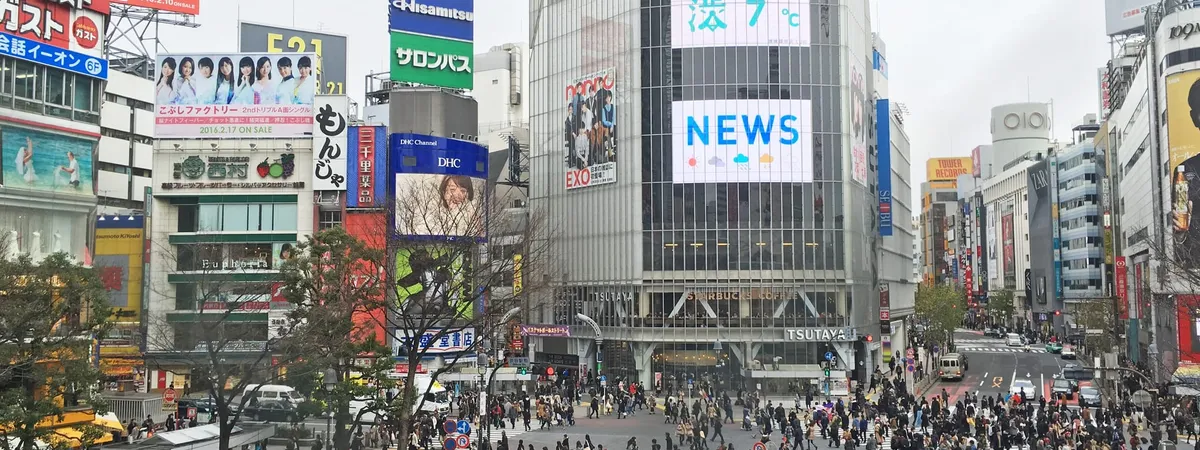
ShibuyaFirst-time visitorsOne of the most iconic, convenient bases in Tokyo, right by the crossing and its shopping streets.The area right around the station and crossing is crowded almost around the clock.
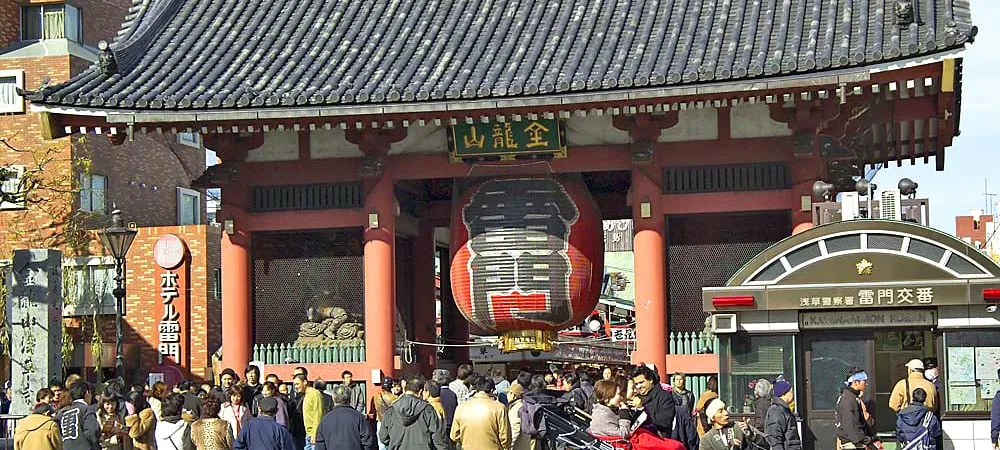
AsakusaFirst-time visitorsA genuinely old-Tokyo atmosphere at a lower cost than the central districts.Quieter nightlife and a bit farther from Shibuya and Shinjuku than other central bases.
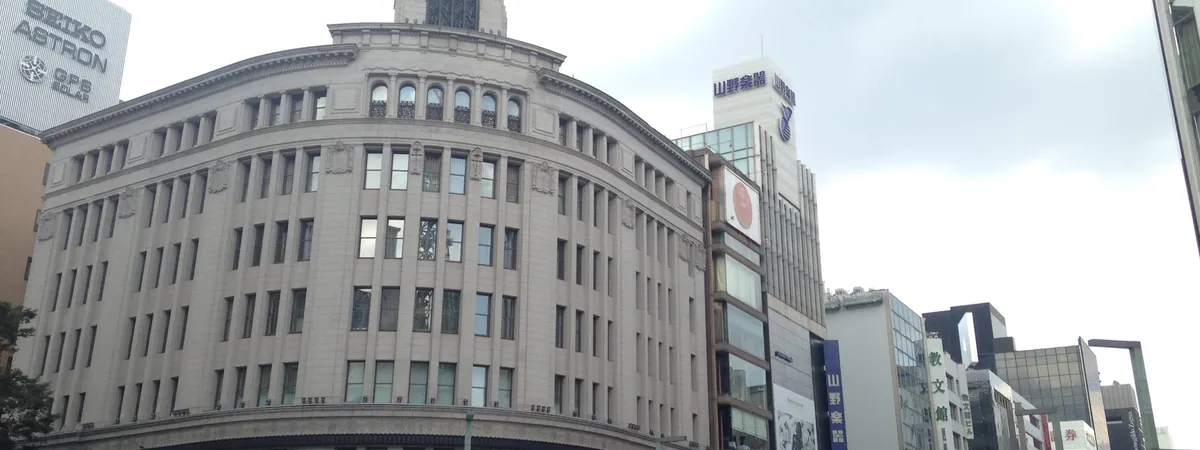
GinzaCouplesUpscale, walkable, and close to Tokyo Station for day trips or onward travel by bullet train.One of the more expensive neighborhoods in Tokyo, with quieter nightlife than the entertainment districts.

Our picks for Tokyo

A handful of editorial calls across every neighborhood above, not just the highest star rating — see each hotel's own card further down for the full case for and against it.

A couple of hotels in Shinjuku

Shinjuku is the top-recommended area to stay in Tokyo.

Hotel Sunroute Plaza Shinjuku

★★★
  • 💰 Best value

Our take One of the better-value ways to base yourself near Shinjuku Station — the south side keeps things calmer than Kabukicho while still being a short walk from the station itself.

Good for

  • First-time visitors
  • Budget travelers

First-time visitors and budget-conscious travelers who want a reliable, well-located hotel near Shinjuku Station without the higher rates of hotels closer to Kabukicho.

Why we like it

  • A few minutes' walk from Shinjuku Station's south side, quieter than the Kabukicho side of the station
  • Consistently priced below comparable hotels closer to the station's east exit
  • Straightforward rooms with satellite TV and reliable WiFi cover the basics well
  • Large enough to usually have availability even during busier travel periods
Check availability on Booking.com

Hotel Gracery Shinjuku

★★★★
  • 🎉 Best for nightlife

Our take A dependable, high-volume choice in one of Tokyo's most convenient spots — the Godzilla head makes it impossible to get lost trying to find your hotel after dark.

Good for

  • First-time visitors
  • Nightlife

First-time visitors who want an easy-to-find, well-located base right at the edge of Kabukicho's nightlife, without paying for a design-forward hotel.

Why we like it

  • A five-minute walk from JR Shinjuku Station's east exit and three minutes from Seibu Shinjuku Station
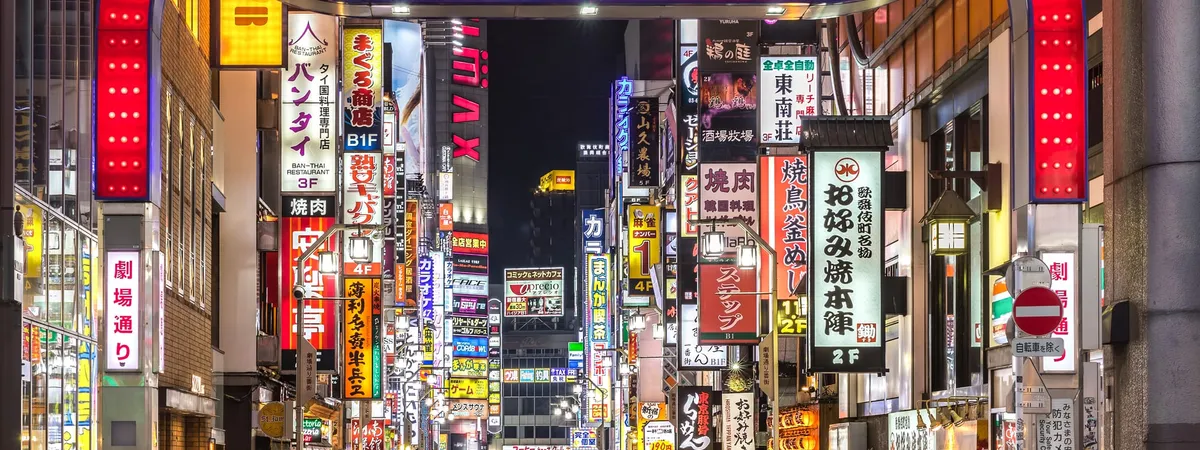
  • Sits right at Kabukicho's edge, with restaurants and bars immediately outside
  • The rooftop Godzilla head and viewing terrace are a genuine, free point of interest for guests
  • Comfortable, straightforward rooms that don't try to be more than they are

What to know

  • Being on the edge of Kabukicho, street noise can reach lower and street-facing floors at night
Check availability on Booking.com

Useful travel information

Japan uses the yen. Tokyo's train and subway network (JR, Toei, and Tokyo Metro lines) covers every neighborhood in this guide — a Suica or Pasmo IC card works across all of them. The city is very safe even late at night, but stations can be genuinely confusing at first; download an offline transit map or app before you land.

Tips

  • Trains stop running around midnight to 1am and don't restart until around 5am — plan your last train home, or budget for a taxi if you're out late in Shinjuku or Shibuya.
  • Book a reservation for popular sushi and ramen spots where you can, or plan to line up early — many of Tokyo's best-known restaurants seat only a handful of people at a time.

Frequently asked questions

Where should first-time visitors stay in Tokyo?
Shinjuku is the easiest first base — it's a major transit hub with direct trains to the rest of the city, plenty of hotels at every price point, and nightlife right outside your door. Shibuya is a strong alternative if you want to be closer to the youth-culture and shopping scene.
Is Tokyo walkable?
Each neighborhood in this guide is walkable on its own, but Tokyo is too large to cross on foot — you'll use the train or subway to move between areas, and it's fast and reliable enough that this rarely feels like a downside.