Last updated September 16, 2026

Europe
Iceland Travel Guide
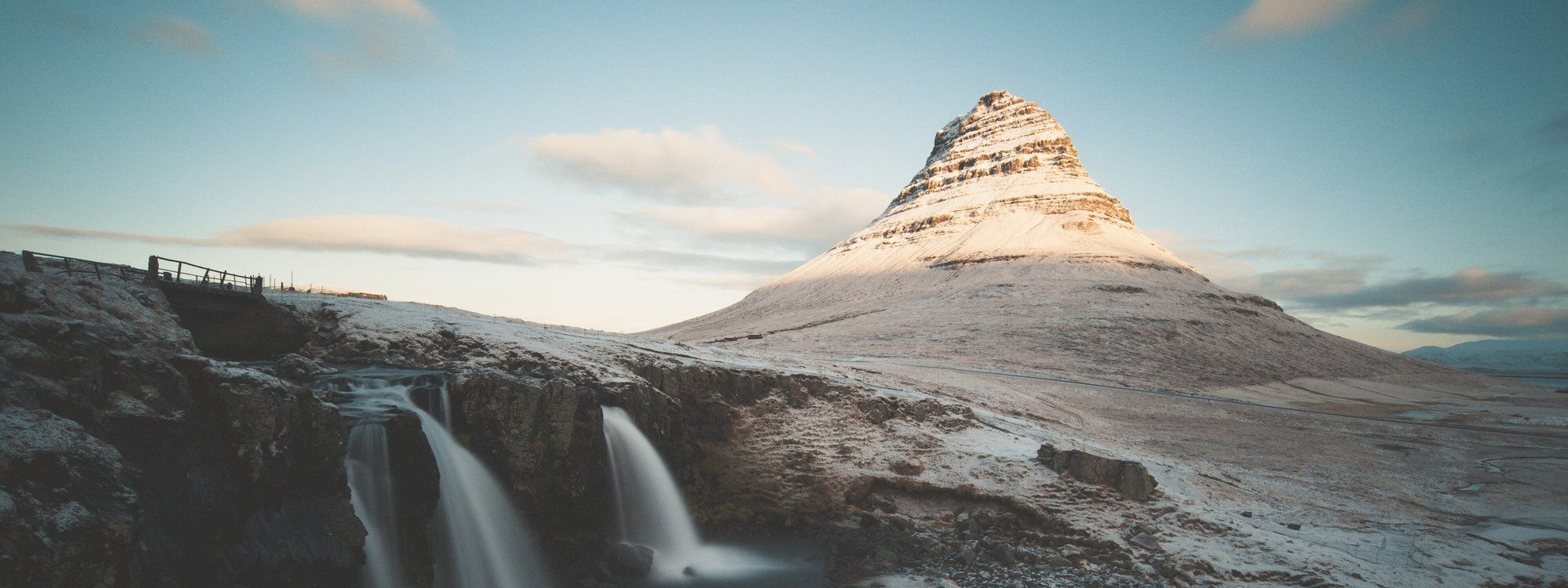
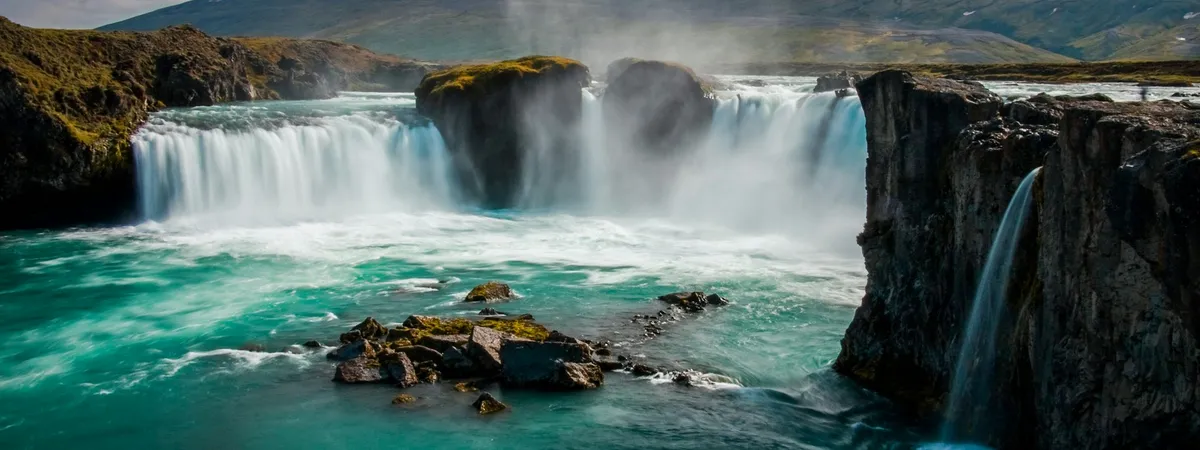
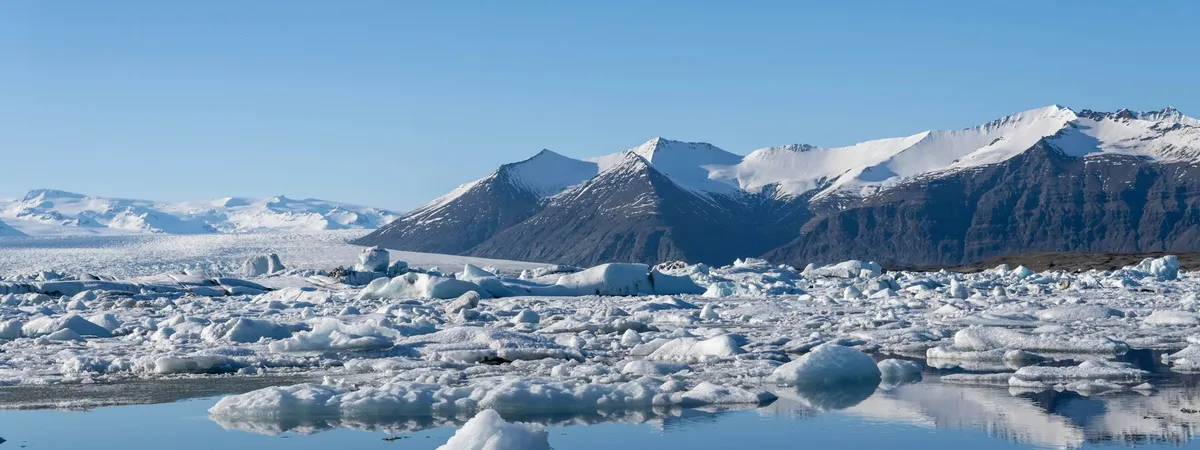
Iceland packs glaciers, active volcanoes, black-sand coastlines, and geothermal fields into an island barely larger than Kentucky, almost all of it stitched together by a single paved road — Route 1, the Ring Road, 1,322km around the entire country. Reykjavík, the world's northernmost capital, is where most trips start and end: a compact, walkable base with the country's best dining and nightlife, and the only genuinely urban stretch of the whole itinerary. Everywhere past the city limits is landscape-first travel — waterfalls you can walk behind, an iceberg lagoon where chunks of glacier drift out to sea, fishing villages tucked into fjords, and geothermal pools that make a good end to a long driving day. Distances between stops are real, and weather changes fast enough to reroute a day on short notice, so Iceland rewards travelers who build in slack rather than a tight fixed schedule.
Quick facts
- Flag
- Iceland
- Capital
- Reykjavík
- Language
- Icelandic
- Currency
- ISK (kr)
- Timezone
- Iceland Time (UTC+0, no daylight saving)
- Calling code
- +354
- Driving side
- Right-hand side
Planning your trip
- Best time to visit
- June through August is the easiest window to drive the full Ring Road: near-continuous daylight, the mildest weather, and every highland F-road (4x4-only, summer-only) open. It's also the busiest and most expensive stretch, and accommodation in small Ring Road towns should be booked well ahead. Shoulder season (May, September) trades some daylight and a higher chance of rain for thinner crowds and lower prices, with the paved Ring Road still generally manageable. Winter (October-April) brings the northern lights and a completely different look to the waterfalls and glaciers, but short daylight hours, ice, and sudden storms mean a 4x4 is strongly advised and some sections can close on short notice — this isn't the season for a first-time rigid itinerary.
- Good to know
- Iceland uses the Icelandic króna (ISK); cards are accepted almost everywhere, including small guesthouses, gas pumps, and parking meters, so carrying cash is rarely necessary. Tipping isn't customary — service is included in listed prices. Icelandic is the national language, but English is spoken fluently and near-universally in tourism, hospitality, and by younger Icelanders generally. Driving is on the right, and Iceland's own road authority publishes live conditions and closures (Vegagerðin, road.is) alongside the national weather service's forecasts and warnings (Vedur.is) — check both each morning on a self-drive trip, since posted drive times assume clear conditions and don't account for weather, road surface, or how often you'll want to stop.
Cities
Where to stay in each of Iceland's cities — pick one below to see its best neighborhoods and hotels.
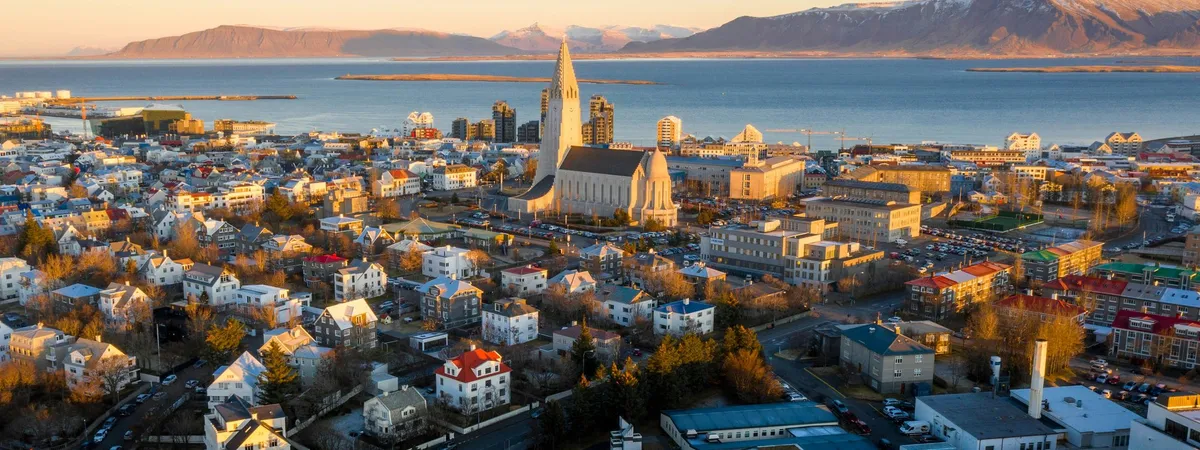
Reykjavík
Best for: First-time visitors, Nightlife, Nature lovers, Couples, Road trips
Drouyn Cambridge / Wikimedia Commons, CC BY 2.0
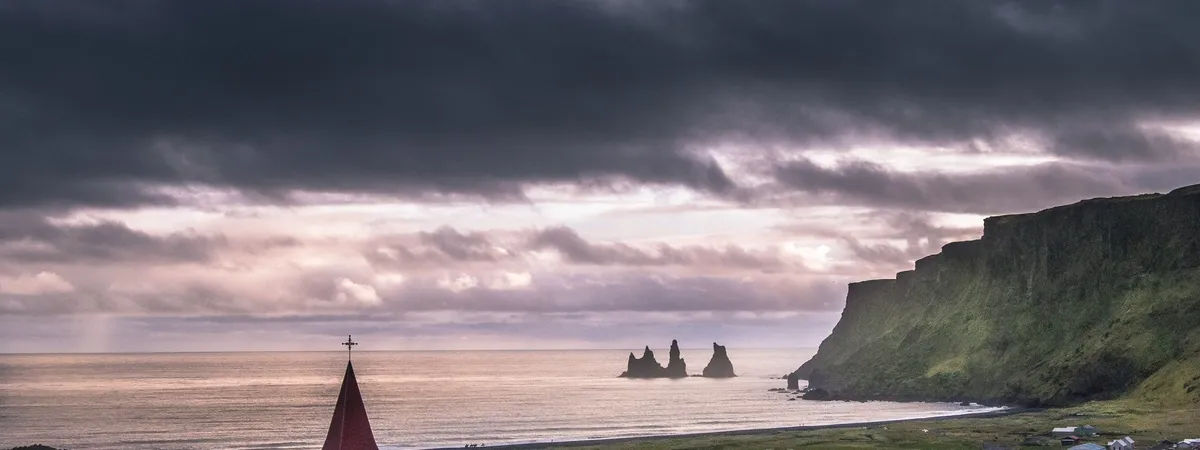
Vík í Mýrdal
Best for: Road trips, Nature lovers, Beach time, First-time visitors, Couples
Alexander Grebenkov / Wikimedia Commons, CC BY 3.0
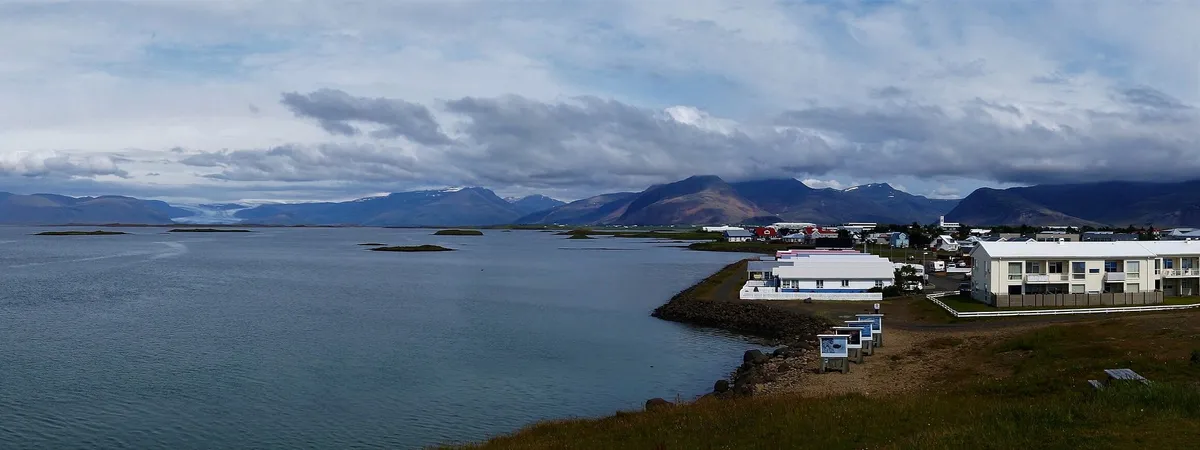
Höfn
Best for: Road trips, Nature lovers, First-time visitors, Couples
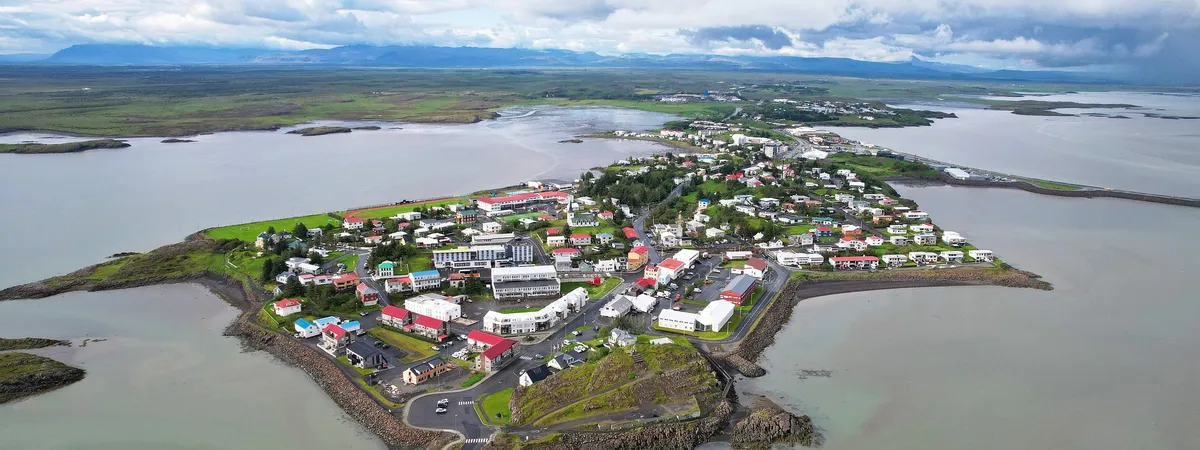
Steinninn / Wikimedia Commons, CC BY 4.0
Borgarnes
Best for: Road trips, First-time visitors, Nature lovers
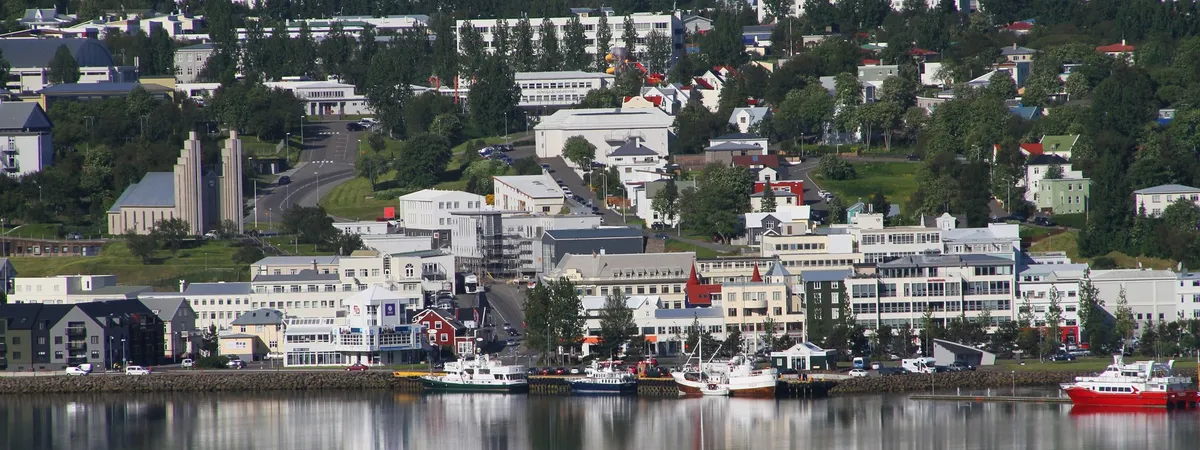
Gerd Eichmann / Wikimedia Commons, CC BY-SA 4.0
Akureyri
Best for: Road trips, First-time visitors, Nature lovers, Couples, Families
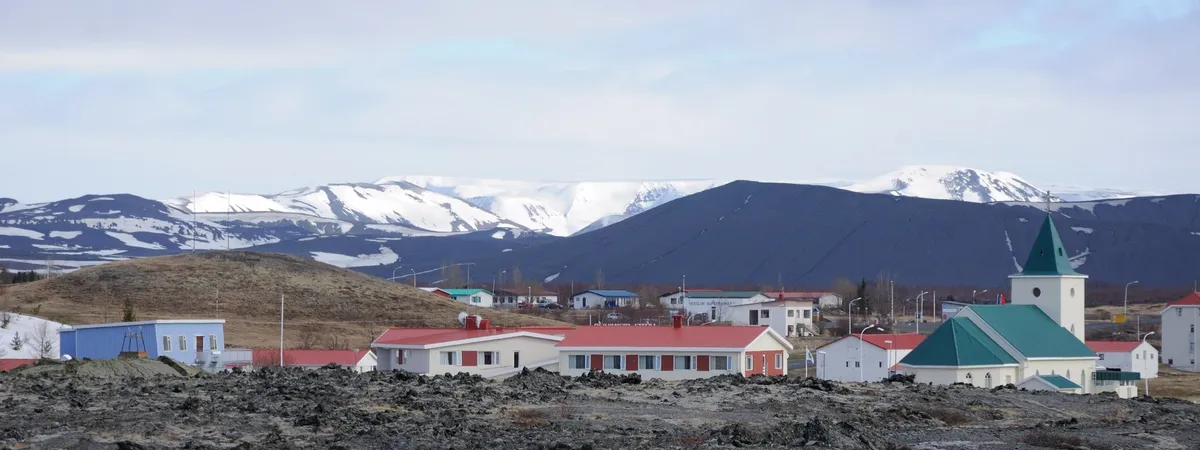
Hansueli Krapf / Wikimedia Commons, CC BY-SA 3.0
Mývatn
Best for: Road trips, Nature lovers, First-time visitors, Couples
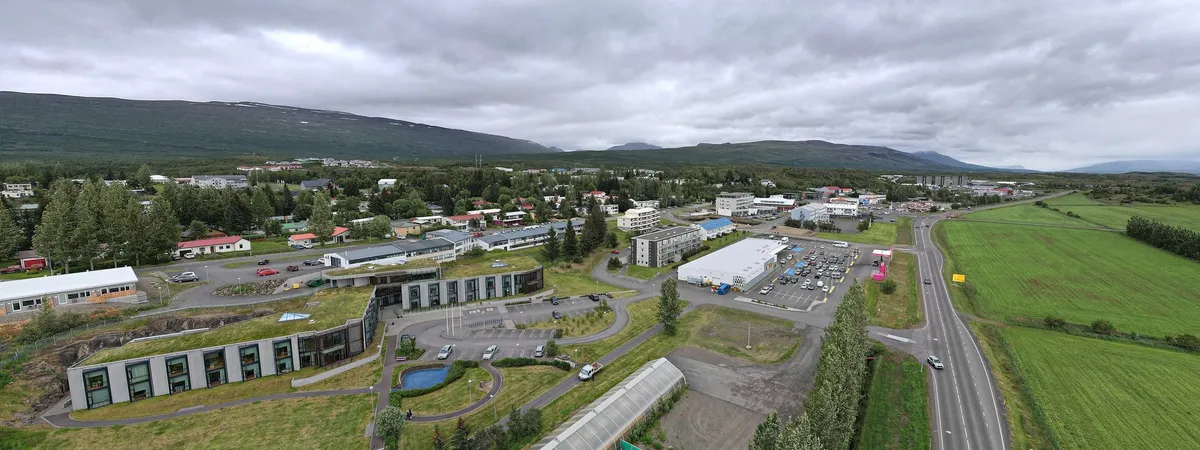
Eysteinn Guðni Guðnason / Wikimedia Commons, CC BY-SA 4.0
Egilsstaðir
Best for: Road trips, Nature lovers, First-time visitors, Couples
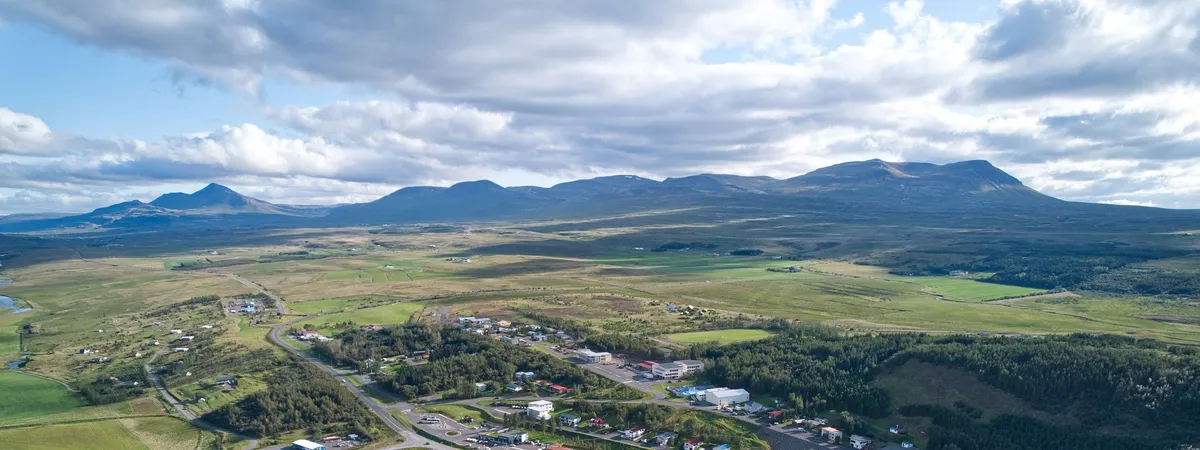
Steinninn / Wikimedia Commons, CC BY 4.0
Varmahlíð
Best for: Road trips, Nature lovers, First-time visitors
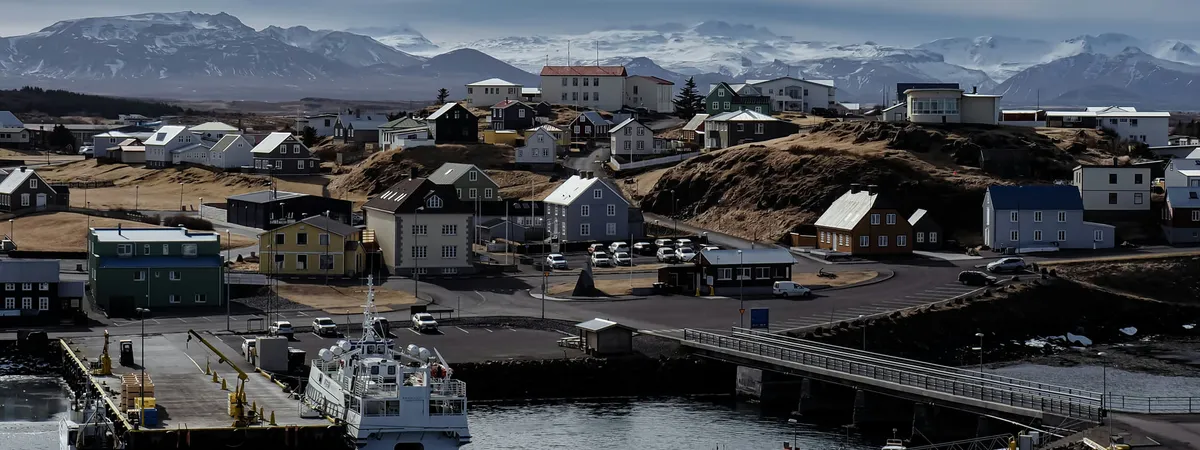
Stykkishólmur
Best for: Road trips, First-time visitors, Nature lovers, Couples
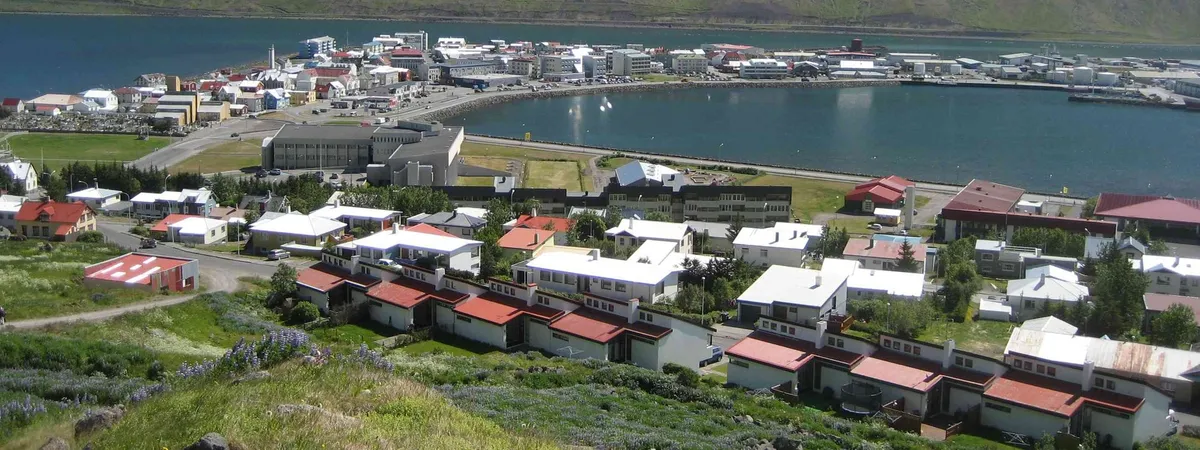
David Stanley / Wikimedia Commons, CC BY 3.0
Ísafjörður
Best for: Road trips, Nature lovers, First-time visitors, Couples
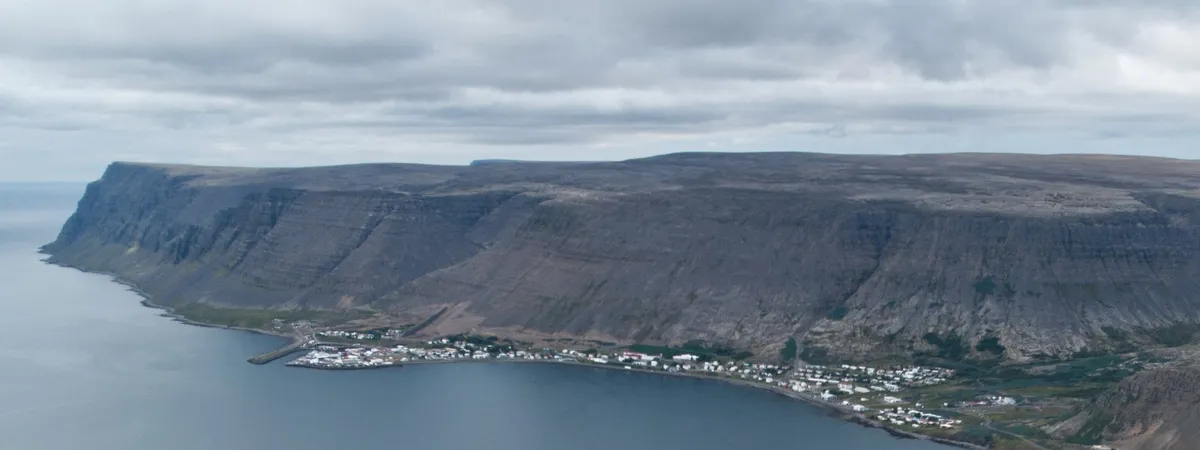
Steinninn / Wikimedia Commons, CC BY 4.0
Patreksfjörður
Best for: Road trips, Nature lovers, Couples
Road trips
Tips
- Rent a car with insurance that actually covers Iceland's conditions — gravel-chip and sand/ash-storm protection are add-ons worth having outside a purely summer, paved-roads trip, not included in a base policy.
- Fill up the tank more often than feels necessary — some stretches of the Ring Road, especially in the East Fjords and the northeast, go well over 100km between open gas stations.
- Pack for four seasons in one day regardless of the calendar month — wind and rain move in fast, and a waterproof outer layer matters more than how warm it looks outside when you leave.
Good to know
- Iceland has three UNESCO World Heritage Sites: Þingvellir National Park (2004), the volcanic island of Surtsey (2008), and Vatnajökull National Park (2019), which alone covers close to 14% of the country's land area.
- Route 1, the Ring Road, is 1,322km long and now paved for its entire length, though the gravel F-roads branching off it into the highlands stay 4x4-only and open summer months only.
- Iceland recorded close to 2.3 million foreign overnight visitors in 2025, per the Icelandic Tourist Board's count of departures through Keflavík International Airport.
Frequently asked questions
- How many days do I need to drive the Ring Road?
- 10 days is a comfortable, non-rushed pace for a first full Ring Road loop, with a genuine full day for the Snæfellsnes Peninsula and the Golden Circle. It's possible to compress to a week by cutting the Snæfellsnes detour or one of the smaller regions, but earlier arrivals into any one town start feeling tight below that.
- Do I need a 4x4 to drive the Ring Road?
- Not for the Ring Road itself in summer — it's paved end to end, and a standard 2WD car is fine. A 4x4 becomes worth it (and is required by law) if you plan to detour onto any F-road into the highlands, and is strongly recommended for winter driving regardless of route.
- Is Iceland expensive to visit?
- Yes, consistently — dining out, car rental, and guided activities all run higher than most of continental Europe. Self-catering some meals from a grocery store (Bónus and Krónan are the budget chains) and booking a rental car well ahead both make a meaningful dent in the cost.