Last updated August 22, 2026
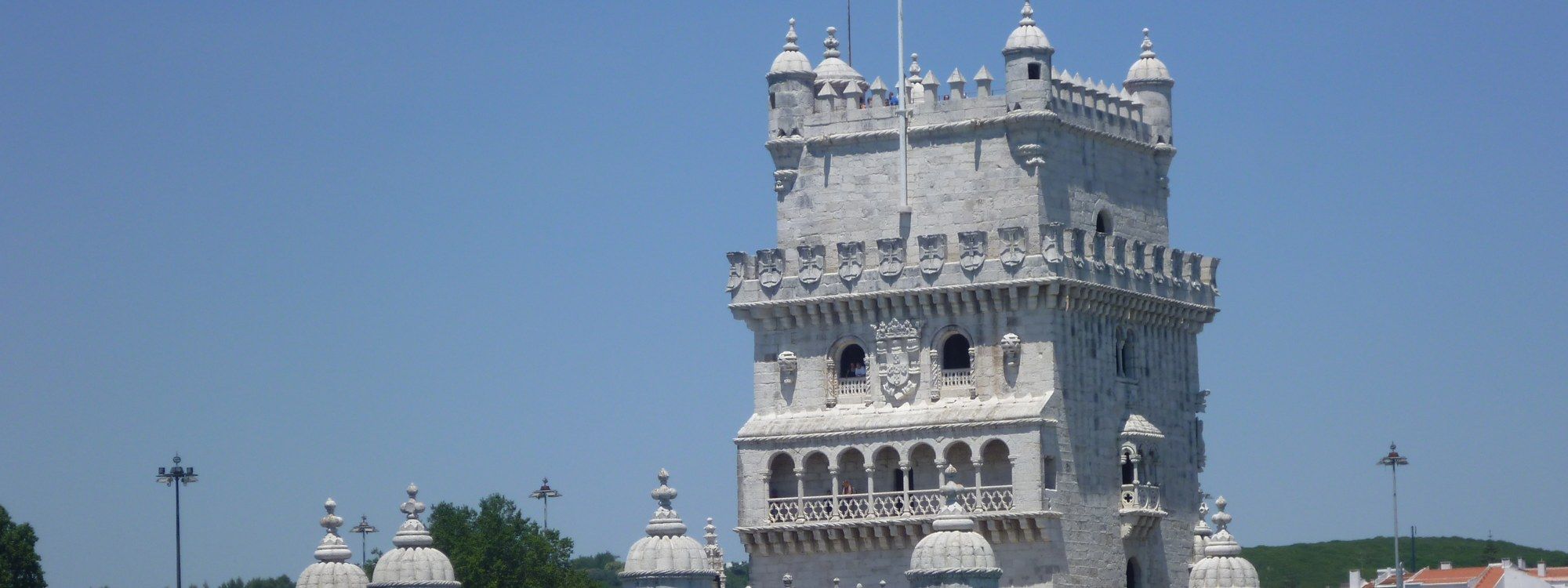
Andriyposka / Wikimedia Commons, CC BY-SA 4.0
Europe
Portugal Travel Guide
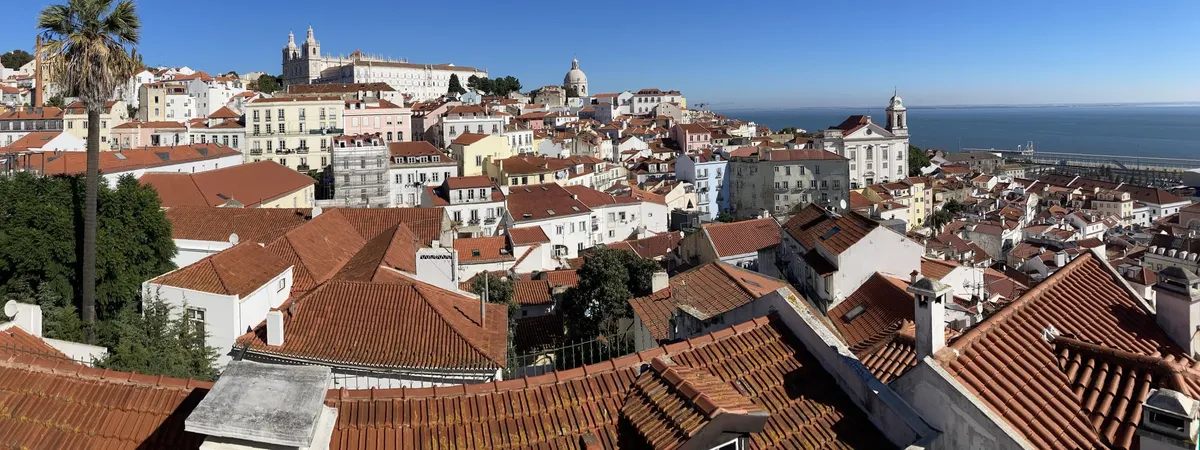
Portugal sits on Europe's western edge, facing the Atlantic. It's a small country that packs in a lot: cobbled hill towns, wide river estuaries, wine country, and a coastline that runs for hundreds of kilometers. Lisbon, the capital, is built across seven hills above the Tagus River — trams climb streets too steep for regular buses, and nearly every neighborhood ends in a viewpoint over red-tile rooftops and the water.
Quick facts
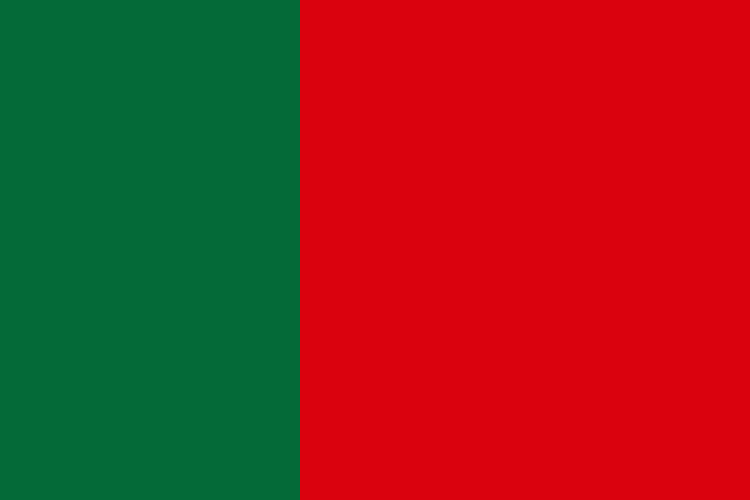
- Flag
- Portugal
- Capital
- Lisbon
- Language
- Portuguese
- Currency
- EUR (€)
- Timezone
- Western European Time (UTC+0, UTC+1 in summer)
- Calling code
- +351
- Driving side
- Right-hand side
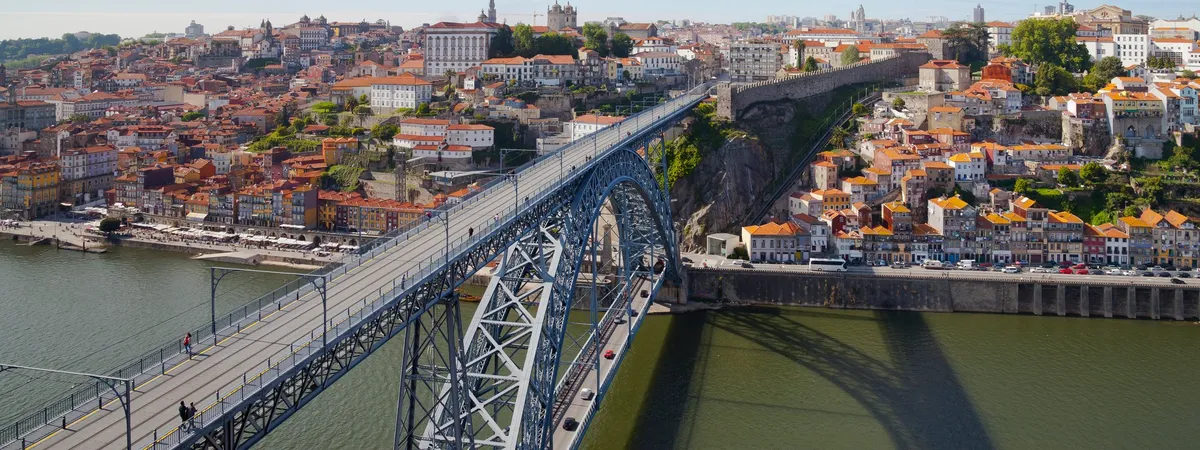
The pace is unhurried and the food leans on the Atlantic — grilled fish, bacalhau (salt cod) in a hundred forms, and pastel de nata custard tarts everywhere you turn. Most trips center on Lisbon, Portugal's capital and the city most first-time visitors fly into, and Porto, the country's second city up north.
Planning your trip
- Best time to visit
- Aim for spring (March–May) or fall (September–October). Temperatures are mild and pleasant, without the summer crowds or the heat that can push past 30°C inland in July and August.
- Good to know
- Portugal uses the euro (€). English is widely understood in Lisbon's hotels and tourist areas. The country's hilly terrain means comfortable, grippy shoes matter more here than in most European capitals. Tipping isn't required — rounding up the bill is normal and appreciated.
Cities
Where to stay in each of Portugal's cities — pick one below to see its best neighborhoods and hotels.
Tips
- Pack shoes with real grip. Lisbon's hills are steep and its pavements are traditional Portuguese cobblestone, which gets slippery when wet.
- Meals run a little later than in Northern Europe — lunch from 1pm, dinner rarely starts before 8pm.
- Keep bags zipped and in front of you on crowded trams and in busy squares — pickpocketing is the main safety issue for visitors, not violent crime.
Good to know
- Portugal is one of Europe's oldest countries, with borders that have remained largely unchanged since the 13th century.
- Portuguese is the official language nationwide, and it's also the most widely spoken language in the Southern Hemisphere thanks to Brazil.
- Lisbon is built across seven hills above the Tagus River — its historic trams and funiculars exist specifically to help residents get up them.
Frequently asked questions
- What's the best way to get around Portugal?
- Within Lisbon, the metro, trams, and funiculars cover the hilly center well. Trains connect Lisbon to other Portuguese cities and to day-trip towns like Sintra and Cascais.
- Do I need to speak Portuguese to visit?
- No. English is widely understood in Lisbon's hotels, restaurants, and tourist areas, though a few basic Portuguese phrases are always appreciated.
- Is Portugal expensive to visit?
- It's generally one of Western Europe's more affordable destinations — meals, transport, and hotels tend to cost less in Lisbon than in comparable capitals like Paris or Amsterdam.