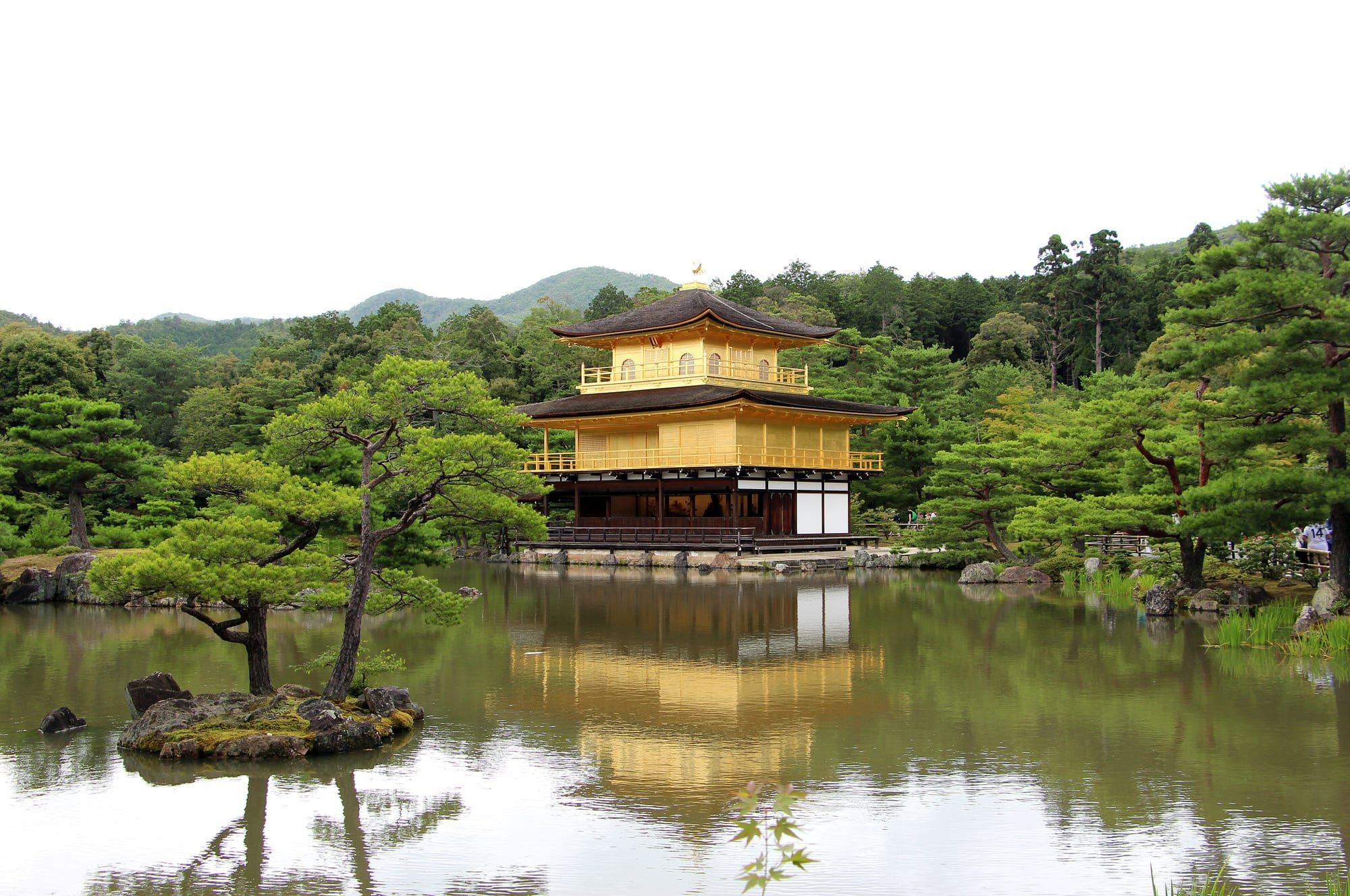
Kinkaku-ji, the Golden Pavilion, reflected in its pond in Kyoto

Dmitrij Rodionov / Wikimedia Commons, CC BY-SA 4.0

Japan

Where to Stay in Kyoto

Kyoto was Japan's capital for over a thousand years, and it still feels like the country's cultural center — thousands of temples and shrines, preserved geisha districts, and gardens built to be walked through slowly. It's smaller and easier to navigate than Tokyo, with most of its major sights reachable by bus, train, or bike. This guide covers the neighborhoods that work best for visitors. Don't miss Fushimi Inari's thousands of vermilion torii gates, best visited early morning or evening to avoid the crowds, and Kiyomizu-dera's wooden stage overlooking the city.

Quick facts

Best time to visit
Visit in spring (late March–early April) for cherry blossoms or fall (November) for autumn foliage — both are Kyoto's most beautiful seasons and its most crowded. Summer is hot and humid; winter is cold but quiet, with some temples and gardens especially atmospheric under snow.
Renting a car
Skip the rental car. Central Kyoto's streets are narrow, parking near major temples is limited, and buses and trains reach every neighborhood in this guide.

Where to stay

Compare neighborhoods

AreaBest forAdvantageTrade-off
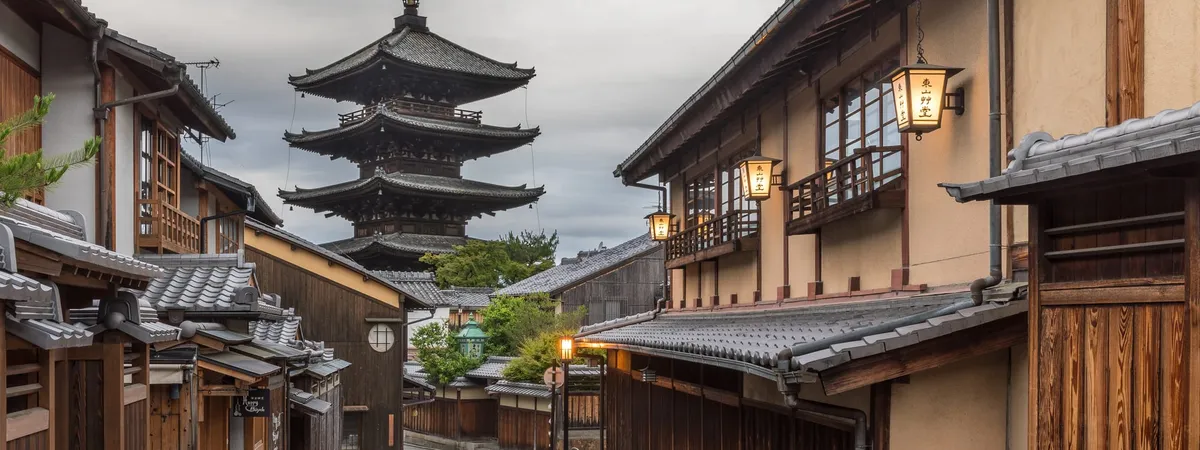
Gion & HigashiyamaCouplesThe most traditional streetscape in central Kyoto, within walking distance of major temples.Quiet at night, with fewer restaurant and nightlife options than downtown, and several narrow, sloped streets.
KawaramachiFirst-time visitorsThe most central, convenient base in Kyoto for shopping, food, and onward transport.Busier and less traditional-feeling than Gion or Higashiyama.
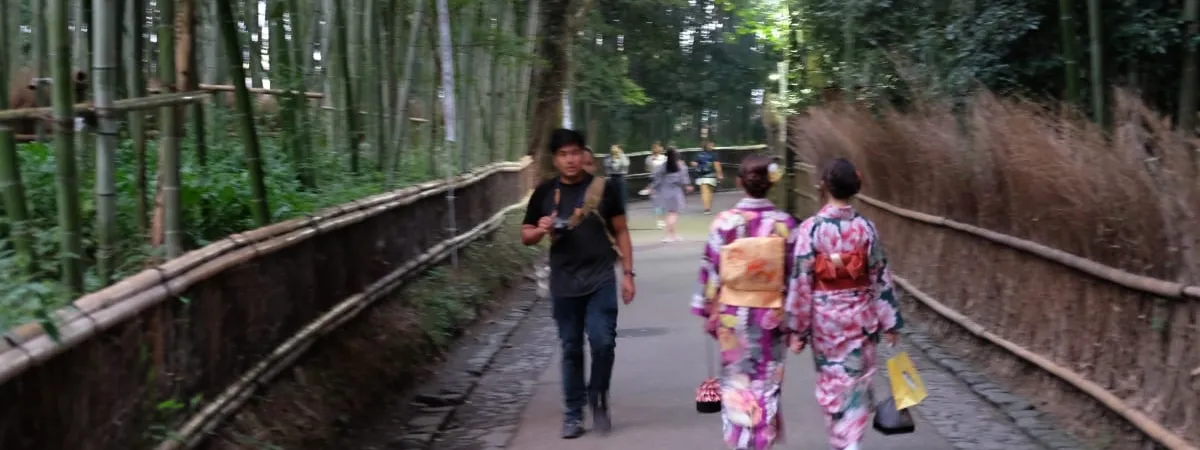
ArashiyamaFamiliesA quieter, greener base with the bamboo grove and riverside right outside your door.Sits apart from the rest of Kyoto, adding travel time to reach other neighborhoods and sights.

Our picks for Kyoto

A handful of editorial calls across every neighborhood above, not just the highest star rating — see each hotel's own card further down for the full case for and against it.

A couple of hotels in Gion & Higashiyama

Gion & Higashiyama is the top-recommended area to stay in Kyoto.

Hotel Gion Ichirin

★★★★
  • ✨ Best luxury

Our take About as central to Gion as a hotel gets — the location inside the historic district itself, rather than nearby, is what makes this one stand out.

Good for

  • Luxury travelers
  • Couples

Couples who want an intimate, high-end stay right inside Gion, within walking distance of Hanamikoji and Yasaka Shrine.

Why we like it

  • Sits directly inside Gion's southern district, among the machiya townhouses along its historic lanes
  • Spa and sauna facilities are a genuine extra for a hotel this size
  • Walking distance to Hanamikoji, Yasaka Shrine, and Gion's traditional teahouse streets
  • Small enough that service stays personal rather than routine

What to know

  • Priced toward the top of the Gion market, reflecting its size and location
Check availability on Booking.com

NOHGA HOTEL KIYOMIZU KYOTO

★★★★
  • 🏆 Our overall pick
  • 🏛️ Best for architecture & design

Our take A strong all-round pick for this part of Kyoto — genuinely thoughtful design paired with a location that puts Kiyomizu-dera and the old town lanes within easy walking distance.

Good for

  • Couples
  • First-time visitors
  • Architecture lovers

Couples and first-time visitors who want a well-designed, contemporary hotel within walking distance of Kiyomizu-dera and Higashiyama's historic streets.

Why we like it

  • A walkable distance from Kiyomizu-dera and the Sannenzaka and Ninenzaka lanes
  • Contemporary, considered room design that stands out in a neighborhood of older ryokan-style properties
  • On-site massage service, a useful extra after a day spent on Higashiyama's sloped streets
  • Large enough guest volume to have a consistent, well-tested level of service
Check availability on Booking.com

Useful travel information

Japan uses the yen. Kyoto's city bus network covers most temples and sights, though buses can get crowded and slow in peak season — the subway and train lines are faster where they run. A Suica or Pasmo IC card works on buses, trains, and subways here just as in Tokyo.

Tips

  • Visit Fushimi Inari and other popular temples early morning (before 8am) or in the evening — midday brings the heaviest tour-group crowds.
  • A one- or two-day city bus pass can be cheaper than paying per ride if you're visiting several temples in a day — check current prices at the bus terminal or a convenience store.

Frequently asked questions

Where should first-time visitors stay in Kyoto?
Gion and Higashiyama put you closest to the classic temple and old-town sights, while Kawaramachi (downtown) offers the most restaurants, shops, and nightlife within walking distance.
Is Kyoto walkable?
Central neighborhoods are very walkable on their own, but Kyoto is spread out enough that you'll use the bus, train, or a rented bike to move between areas like Arashiyama and downtown.