Last updated July 4, 2026
Yuliya Boda / Wikimedia Commons, CC BY-SA 4.0
Asia
South Korea Travel Guide
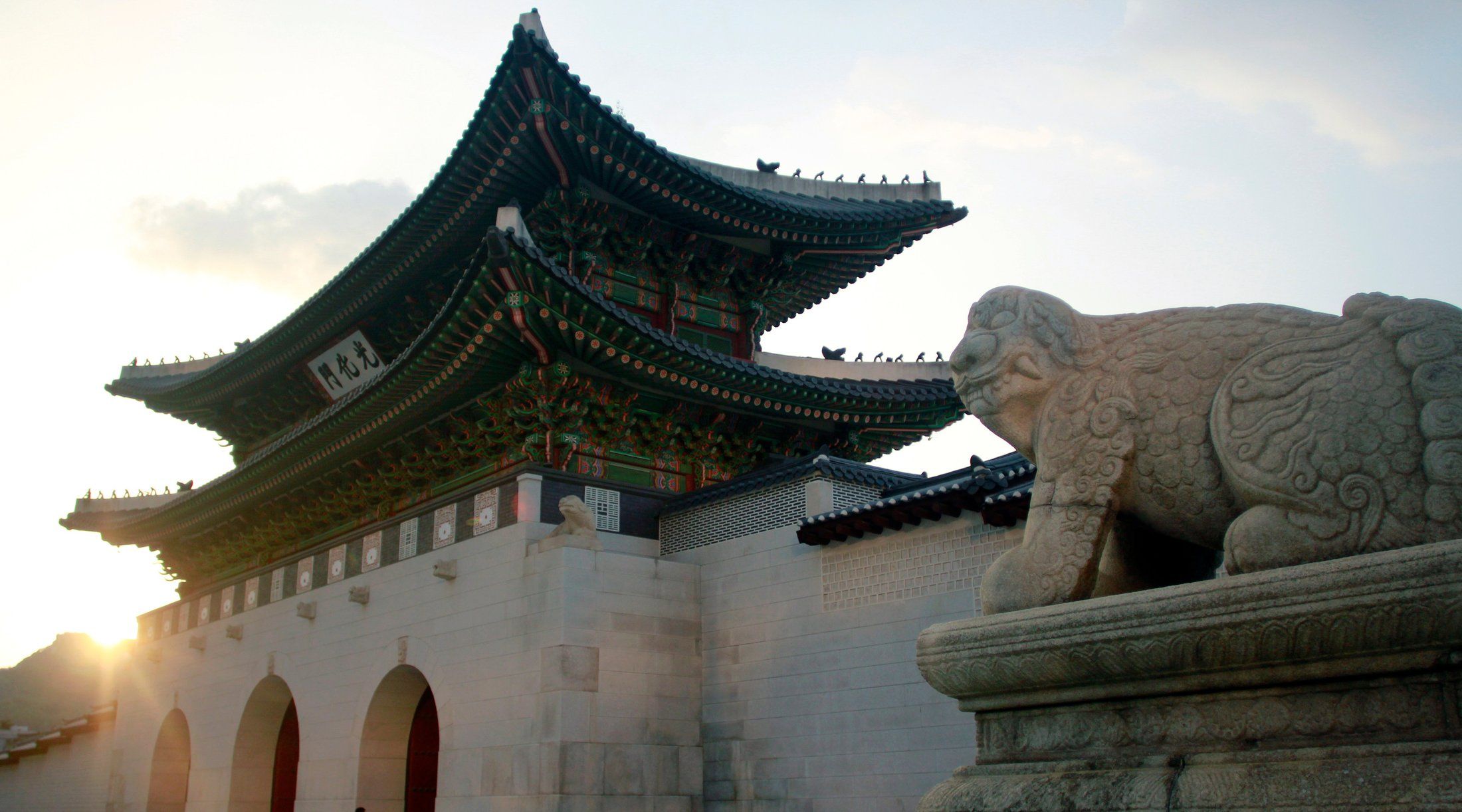
South Korea packs an unusual amount of variety into a country you can cross by train in a few hours. Seoul, the capital, mixes centuries-old royal palaces with some of the densest, most modern city blocks in Asia — a place where a hanok village and a rooftop bar can sit a subway stop apart. Busan, the second city, trades palaces for beaches, mountains, and a working port that still feels like a port. Jeju, a volcanic island off the southern coast, is South Korea's own resort getaway, built around a dormant volcano, lava tubes, and a coastline that looks nothing like the mainland.
Quick facts
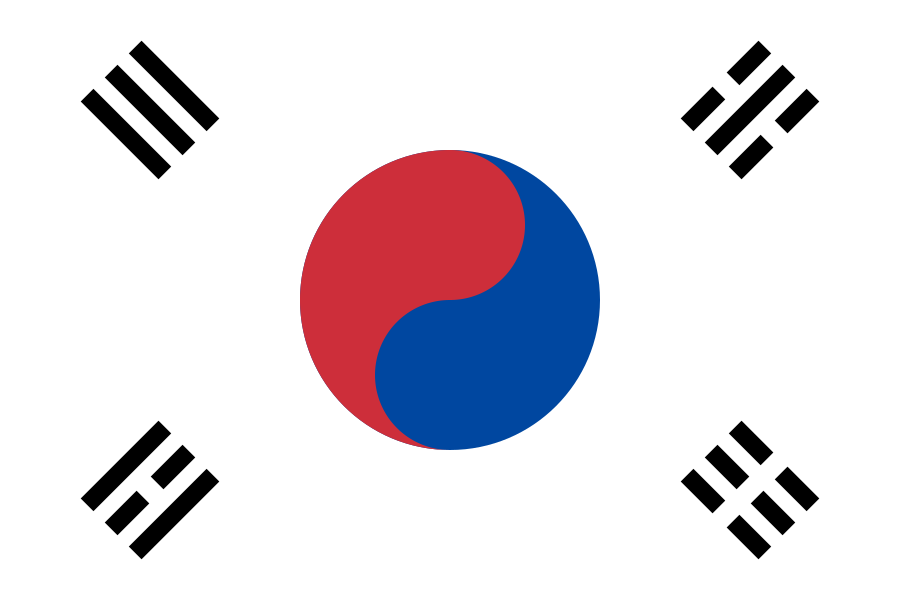
- Flag
- South Korea
- Capital
- Seoul
- Language
- Korean
- Currency
- KRW (₩)
- Timezone
- Korea Standard Time (UTC+9, no daylight saving)
- Calling code
- +82
- Driving side
- Right-hand side
Three of South Korea's most-visited destinations stand out — Seoul, Busan, and Jeju — each with its own pace and its own reason tourists keep coming back.
Planning your trip
- Best time to visit
- Spring (April-May) and autumn (September-November) are the best windows — mild temperatures, cherry blossoms in spring, and clear skies with autumn foliage in the fall. Summer (July-August) is hot, humid, and coincides with the monsoon season, though it's peak beach season on Jeju. Winter (December-February) is cold, especially inland and in Seoul, but ski resorts and Busan's milder coastal winters give it a smaller following of its own.
- Good to know
- South Korea uses the won (₩), and cash is used less than you might expect — card payments are accepted almost everywhere, even at small shops and street stalls. English signage is common in Seoul and Busan's main tourist areas and on public transport nationwide, though everyday spoken English is more limited outside hotels and major attractions. The KTX high-speed train connects Seoul and Busan in under three hours, and Jeju is reached by a short domestic flight from either city. Tipping isn't expected anywhere, including restaurants and taxis.
Cities
Where to stay in each of South Korea's cities — pick one below to see its best neighborhoods and hotels.
lumoplank / Wikimedia Commons, CC0
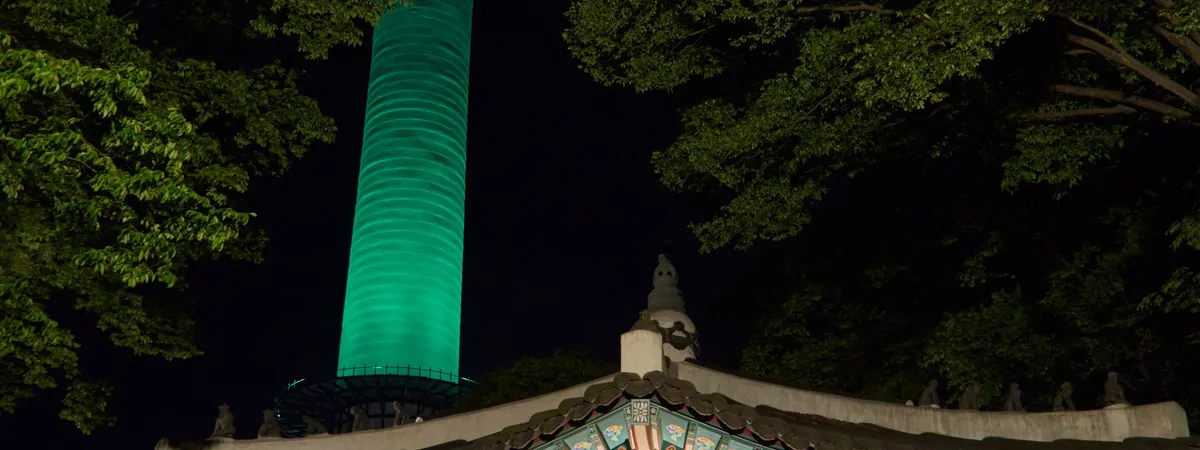
Seoul
Best for: First-time visitors, Couples, Budget travelers, Nightlife
S h y numis / Wikimedia Commons, CC BY 4.0
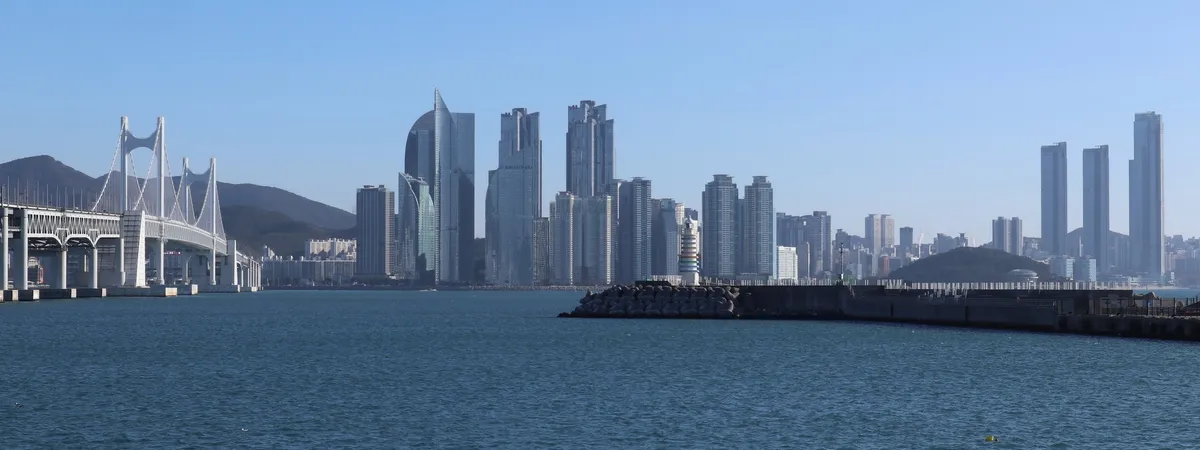
Busan
Best for: Beach time, First-time visitors, Families, Budget travelers
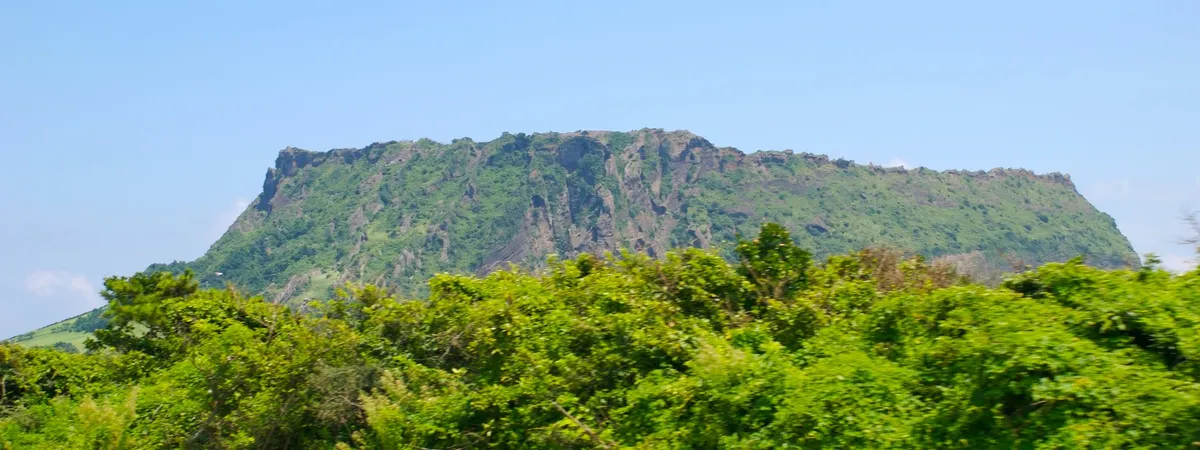
Yoo Chung / Wikimedia Commons, CC BY-SA 3.0
Jeju
Best for: Beach time, Families, Couples, Luxury travelers
Tips
- Get a T-money card (sold at convenience stores and subway stations) on arrival — it works on subways, buses, and taxis nationwide, including in Busan and Jeju, and saves you buying single tickets.
- Book KTX train tickets between Seoul and Busan a few days ahead in peak season (spring cherry blossoms, Chuseok and Lunar New Year holidays) — popular departure times sell out.
- Download a Korean map app (Naver Map or KakaoMap) before you go — Google Maps' walking and transit directions are unreliable in South Korea due to local mapping regulations.
Good to know
- South Korea welcomed around 16.37 million international visitor arrivals in 2024, a 48% increase over 2023, according to the Korea Tourism Organization.
- Gyeongbokgung Palace in Seoul was first built in 1395 and served as the main royal palace of the Joseon dynasty.
- Jeju Island's volcanic landscape, including Hallasan and the Geomunoreum lava tube system, is a UNESCO World Heritage Site and World Geopark.
Frequently asked questions
- How many days do I need in South Korea?
- Ten days to two weeks covers a solid first trip: 4-5 days in Seoul, 2-3 in Busan, and 3-4 on Jeju, with the KTX and a short domestic flight linking them. Each city also works well as a shorter standalone trip.
- Do I need to speak Korean to visit?
- No. Subway systems, major attractions, and hotels in Seoul, Busan, and Jeju all have English signage, and translation apps cover most everyday situations — a few Korean phrases help, but aren't necessary for a comfortable visit.
- Is South Korea expensive to visit?
- It's generally more affordable than Japan or Western Europe for comparable quality, especially food and public transport. Seoul's hotel prices in central areas run closer to other major Asian capitals, while Busan and Jeju tend to cost a bit less.