Last updated June 12, 2026
Leonardo Samrani / Wikimedia Commons, CC BY 2.0
South America
Argentina Travel Guide
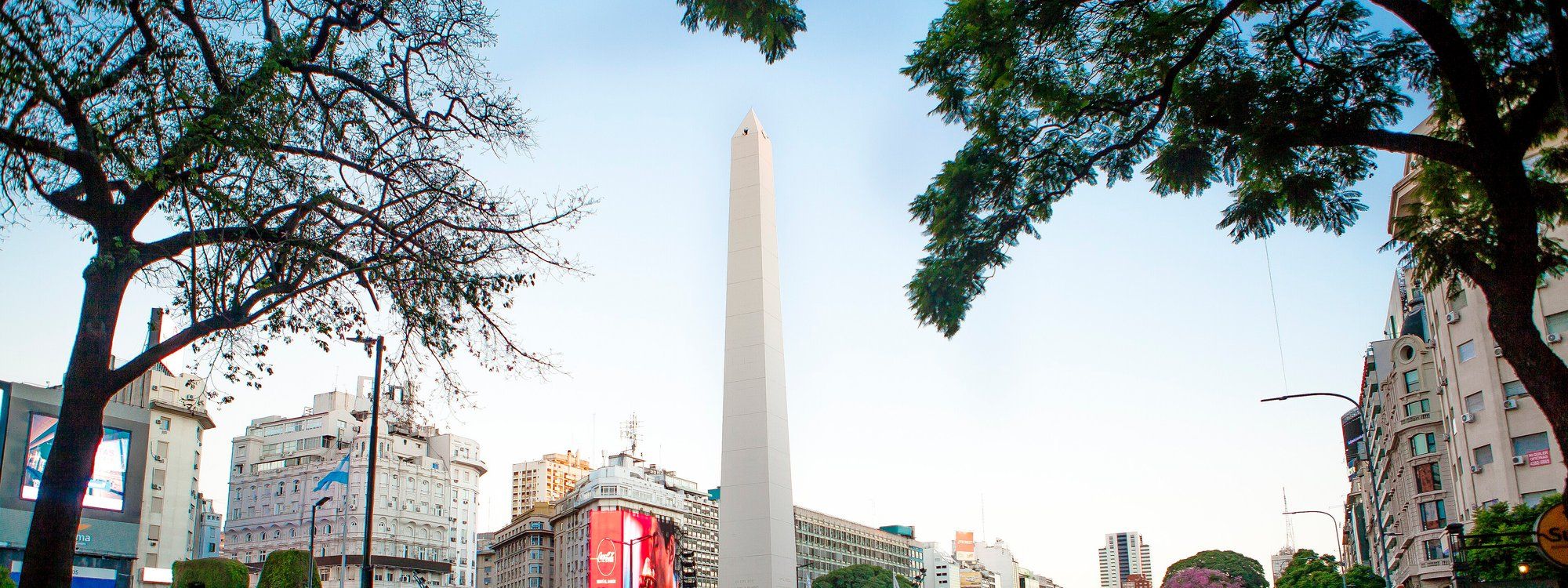
Argentina is a country of extremes, stretched from the subtropical north down to the glaciers of Patagonia, with the cosmopolitan sprawl of Buenos Aires anchoring it all. The capital is the country's main event for most first-time visitors — European-style boulevards, all-night steakhouse culture, and tango spilling out of milongas into the street. From there, the classic circuit fans out: Iguazú Falls on the Brazilian border, a wall of waterfalls nearly 3 km wide; Mendoza, the heart of Argentina's Malbec country at the foot of the Andes; and further south, Bariloche and El Calafate, gateways to Patagonia's lake district and the Perito Moreno Glacier. Argentina rewards travelers willing to cover distance — flights between regions run several hours — with landscapes and a food-and-wine culture that shift completely from one stop to the next.
Quick facts
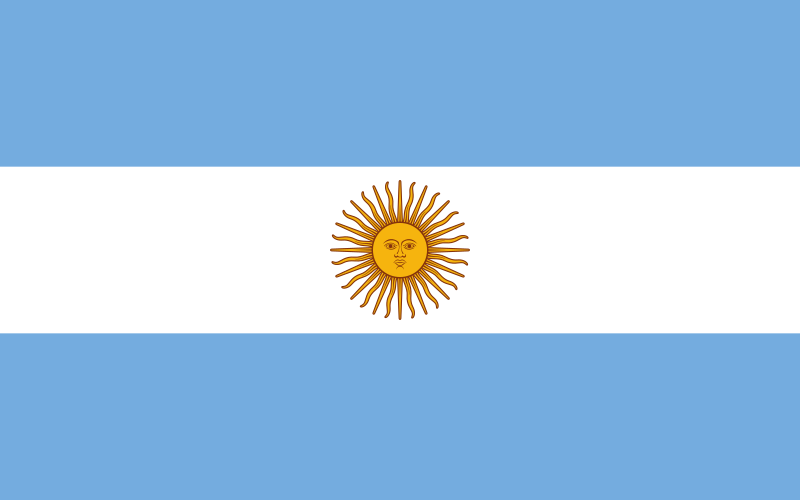
- Flag
- Argentina
- Capital
- Buenos Aires
- Language
- Spanish
- Currency
- ARS ($)
- Timezone
- Argentina Time (UTC-3, no daylight saving)
- Calling code
- +54
- Driving side
- Right-hand side
Planning your trip
- Best time to visit
- Argentina's seasons run opposite to the Northern Hemisphere's. For Buenos Aires and Mendoza, spring (September-November) and fall (March-May) bring the mildest, most comfortable weather. Patagonia (Bariloche, El Calafate) is best visited in the Southern Hemisphere summer, November through March, when trails and glacier excursions are fully open — many services scale back or close outside that window. Iguazú Falls is a year-round destination, though it's hot and humid from December to February.
- Good to know
- Argentina uses the Argentine peso (ARS); the exchange rate has been volatile in recent years, and paying in cash (including US dollars, widely accepted for larger purchases) or via services like Western Union sometimes gets a better rate than a card at the official bank rate — check current advice before you travel. Tipping around 10% at restaurants is customary but not always included. Spanish is the national language, spoken with the distinctive Rioplatense accent and "vos" form around Buenos Aires; English is common in hotels and tourist-facing businesses in Buenos Aires and the main tourist towns, less so elsewhere. Dinner runs late by international standards — many restaurants don't fill up until 9 or 10pm.
Cities
Where to stay in each of Argentina's cities — pick one below to see its best neighborhoods and hotels.
Miguel / Wikimedia Commons, CC BY-SA 2.0
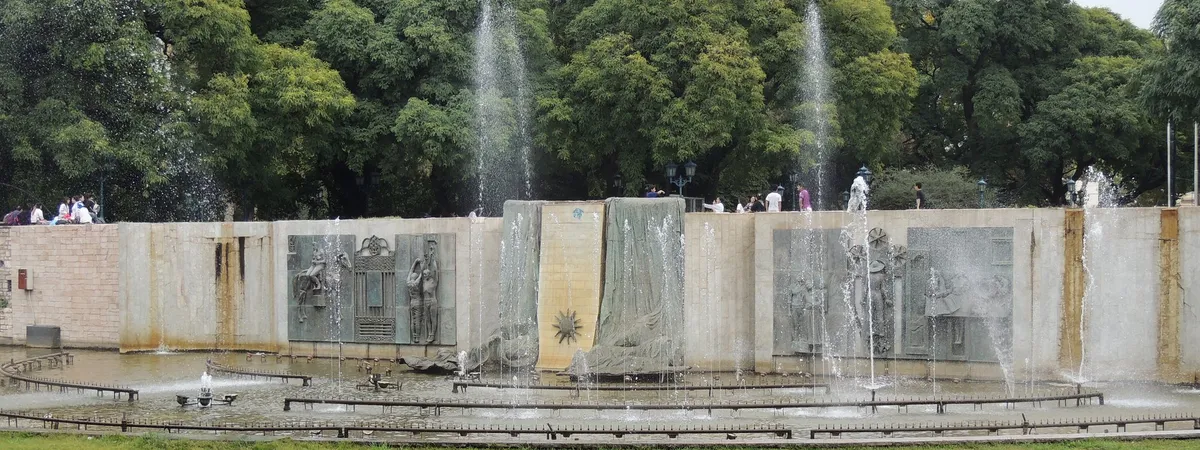
Mendoza
Best for: First-time visitors, Couples, Luxury travelers, Budget travelers
Lars Curfs / Wikimedia Commons, CC BY-SA 3.0 NL
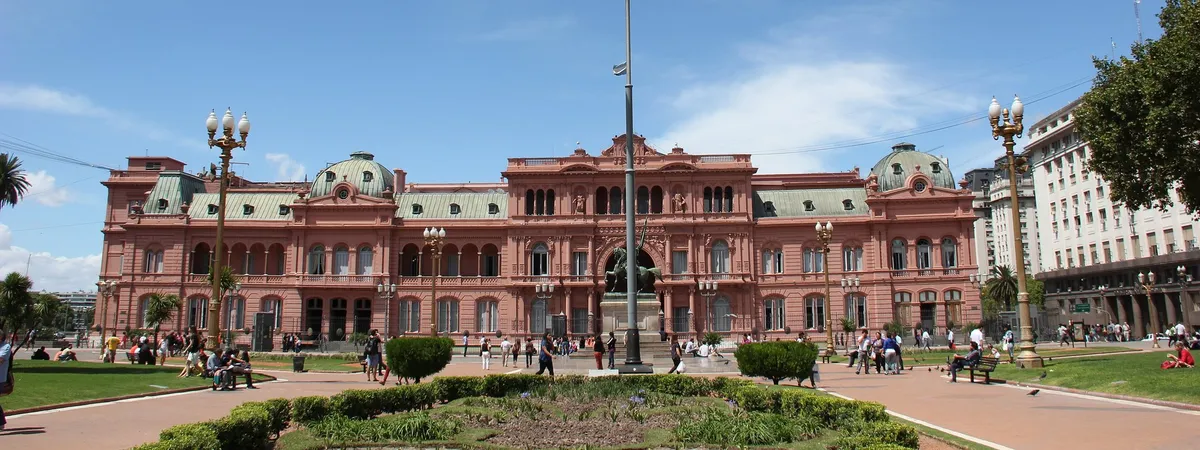
Buenos Aires
Best for: First-time visitors, Couples, Architecture lovers, Nightlife, Luxury travelers
Josep M. Gracia / Wikimedia Commons, CC BY-SA 4.0
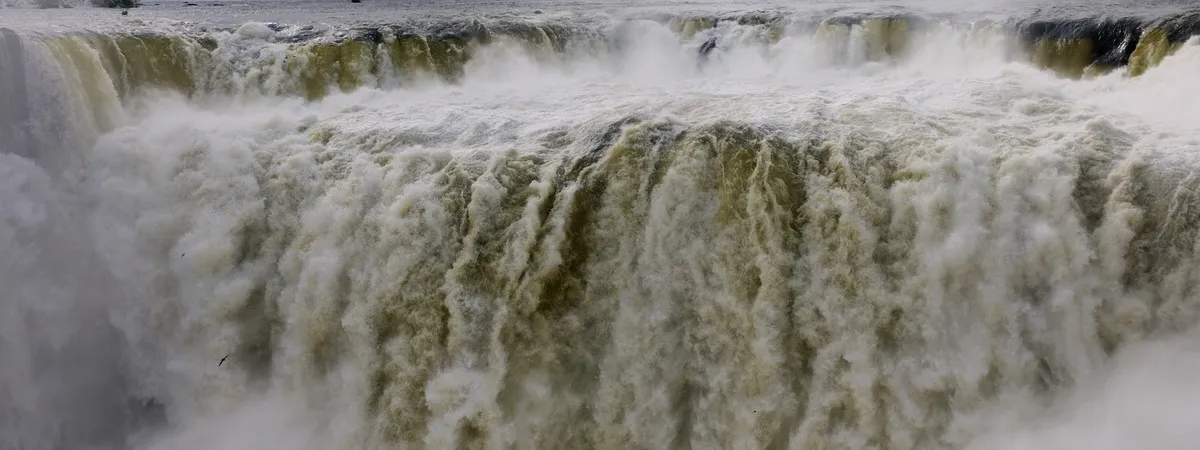
Puerto Iguazú
Best for: First-time visitors, Couples, Families, Budget travelers, Luxury travelers
Phil Whitehouse / Wikimedia Commons, CC BY 2.0
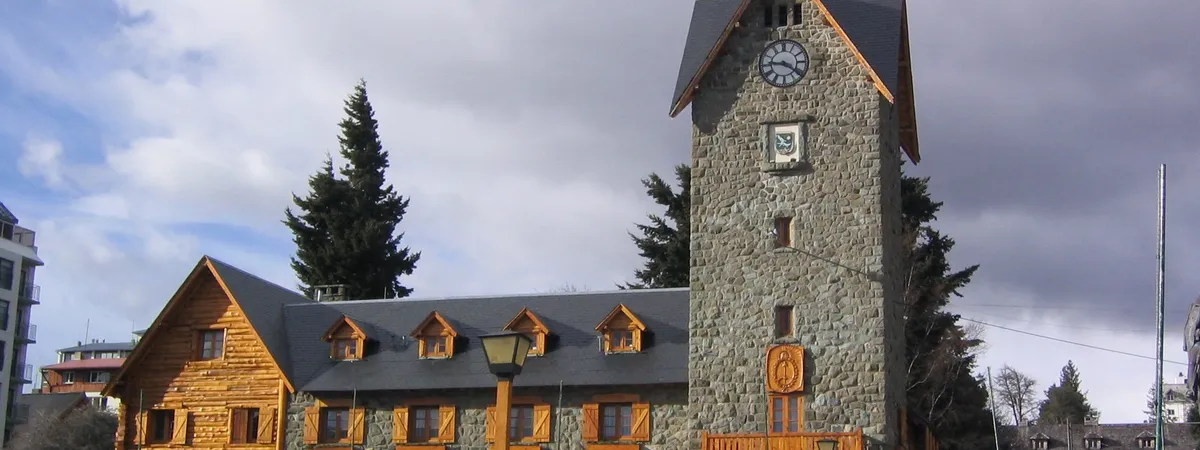
Bariloche
Best for: First-time visitors, Couples, Families, Luxury travelers
Jorge Láscar / Wikimedia Commons, CC BY 2.0
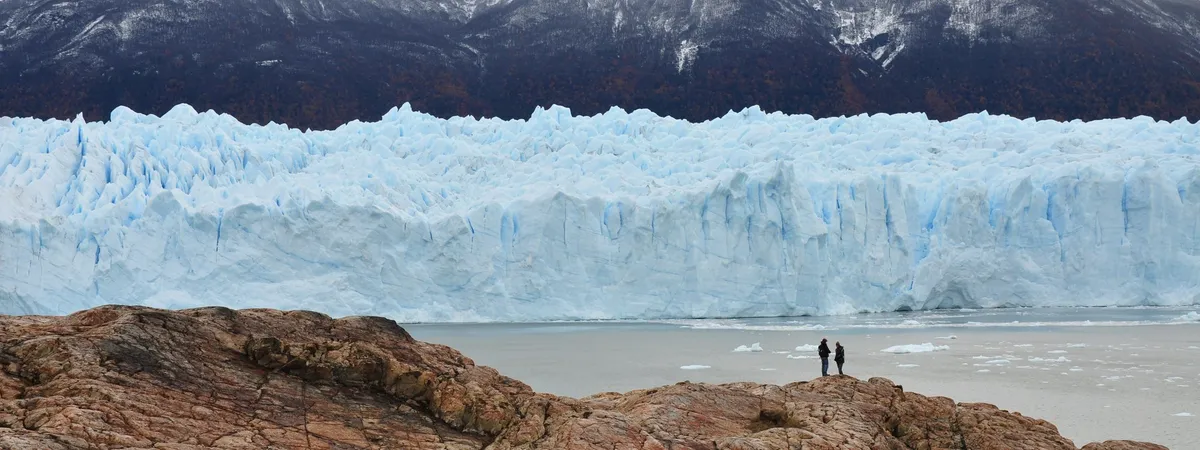
El Calafate
Best for: First-time visitors, Couples, Families, Luxury travelers, Budget travelers
Tips
- Bring more cash than you think you'll need, in good-condition US dollar bills as backup — ATM withdrawal limits can be low and currency exchange conditions change frequently.
- Book domestic flights between regions (Buenos Aires to Iguazú, Mendoza, Bariloche, or El Calafate) well ahead, especially around the Southern Hemisphere summer — the main routes sell out and prices climb closer to the date.
- If you're combining Patagonia with the rest of the country, budget real travel time between them — Bariloche and El Calafate are each several hours' flight from Buenos Aires, and the regions don't connect directly to each other by road in a practical way.
Good to know
- Argentina is home to 12 UNESCO World Heritage Sites, including Los Glaciares National Park, the Jesuit Missions of the Guaraní, and Iguazú National Park.
- Buenos Aires has more theaters per capita than almost any other city in the world, and Av. Corrientes — the city's theater strip — is often compared to Broadway.
- Argentina is the world's sixth-largest wine producer, with Mendoza province responsible for roughly 80% of that output, most of it Malbec.
Frequently asked questions
- How many days do I need in Argentina?
- Two weeks gives you a realistic first trip covering Buenos Aires plus two or three regions — for example Iguazú Falls, Mendoza, and either Bariloche or El Calafate. The distances involved mean it's better to go deep on fewer regions than rush through all of them.
- Is Argentina expensive to visit?
- It varies a lot with the exchange rate, which has moved sharply in recent years — check current conditions before you budget. Accommodation and dining have often been good value for visitors paying in hard currency, while imported goods and some tourist-zone prices can run higher.
- Do I need to speak Spanish to visit Argentina?
- No, but it helps outside Buenos Aires's main hotels and tourist operators. English is commonly spoken in tourist hotels and tour businesses; a few basic Spanish phrases go a long way elsewhere, especially in Patagonia's smaller towns.