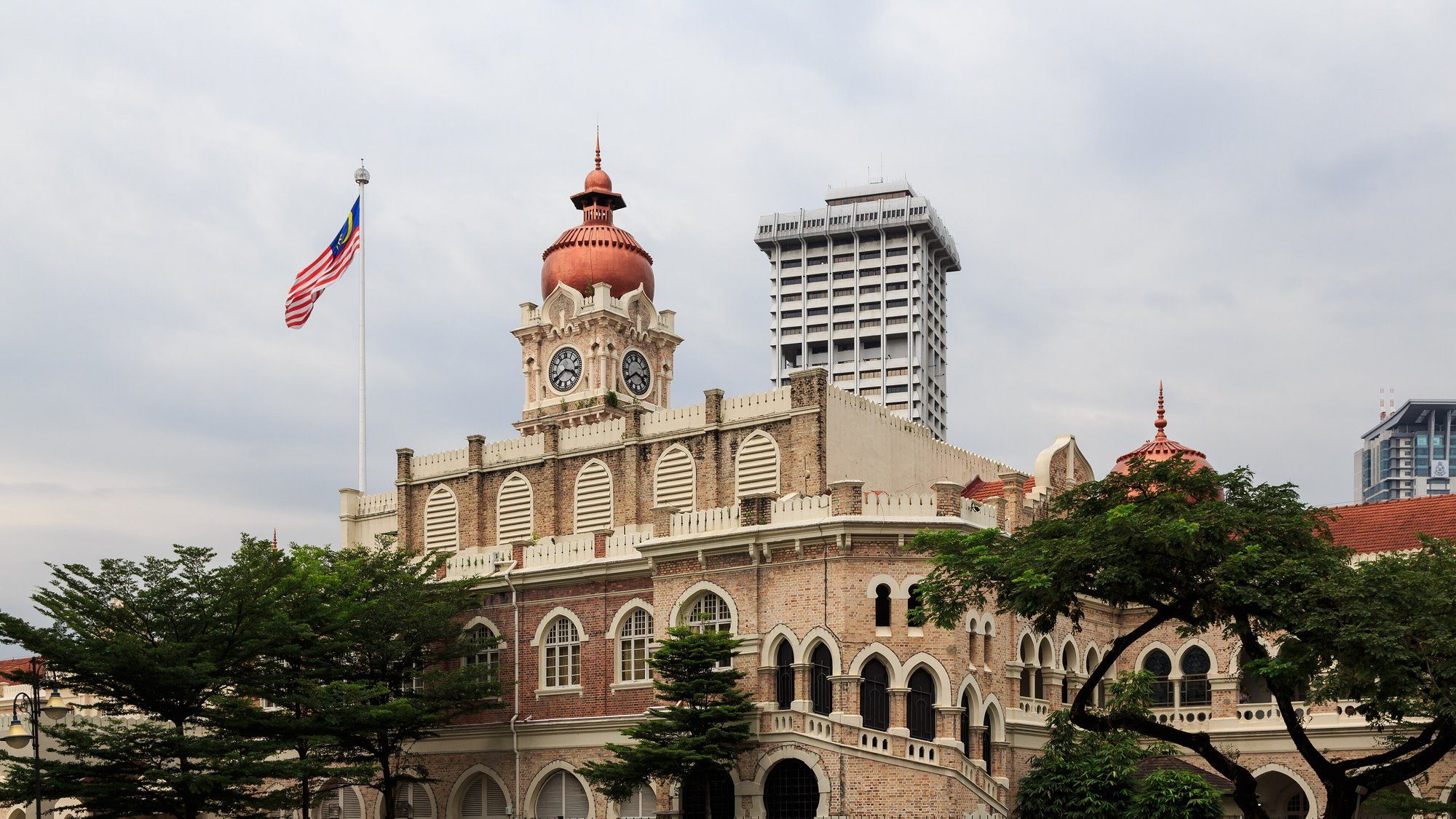
The copper dome and clock tower of the Sultan Abdul Samad Building at Merdeka Square in Kuala Lumpur

CEphoto, Uwe Aranas / Wikimedia Commons, CC BY-SA 3.0

Malaysia

Where to Stay in Kuala Lumpur

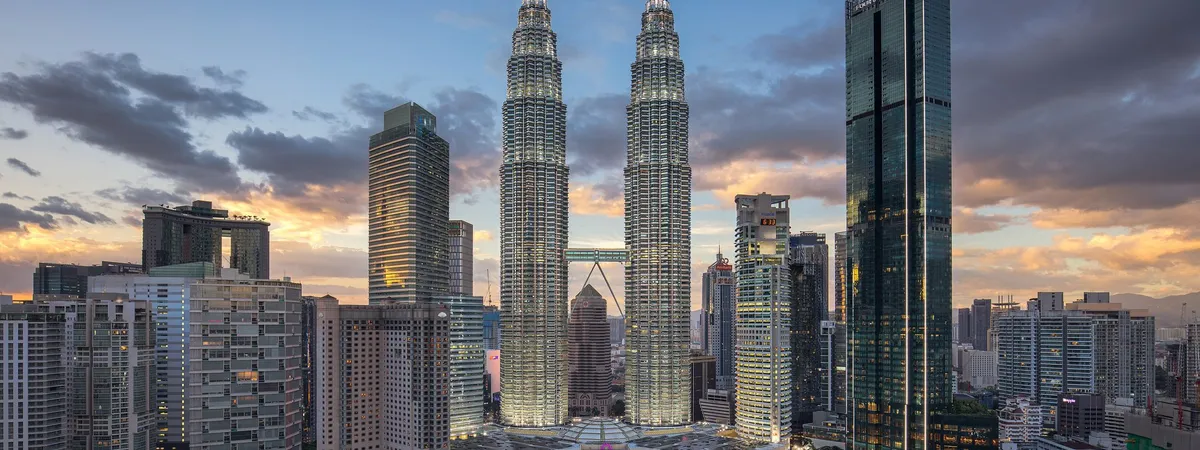
Kuala Lumpur is Malaysia's capital and the country's biggest first stop for almost every visitor — a fast-growing, humid city where colonial-era brick buildings sit a short monorail ride from glass skyscrapers and the Petronas Twin Towers. The KL Monorail, LRT, and MRT lines connect most of the areas visitors want, and an elevated, air-conditioned walkway links the two busiest districts directly. There's no single neighborhood that defines the city: KLCC is its modern, corporate face, built around the Petronas Towers and their park; Bukit Bintang is the energetic shopping-and-nightlife core; and Chinatown, centered on Petaling Street, holds the oldest, most affordable part of town. This guide covers the areas that work best for a visitor's first — or fifth — trip.

Quick facts

Best time to visit
Kuala Lumpur is warm and humid year-round, so there's no single best season — but June and July tend to be the driest months, with less chance of the short, heavy afternoon downpours common the rest of the year. Avoid late January to mid-February if you'd rather skip Chinese New Year's crowds and higher hotel rates, though it's also one of the city's most festive times to visit.
Renting a car
Skip renting a car. Kuala Lumpur's traffic is heavy for much of the day, parking in the city center is scarce and expensive, and the Monorail, LRT, and MRT already reach every neighborhood in this guide faster than driving would.

Where to stay

Compare neighborhoods

AreaBest forAdvantageTrade-off
KLCCFirst-time visitorsUnmatched proximity to the Petronas Towers and KLCC Park, with the city's best concentration of international five-star hotels.Quieter and pricier after dark than Bukit Bintang or Chinatown, with fewer budget options.
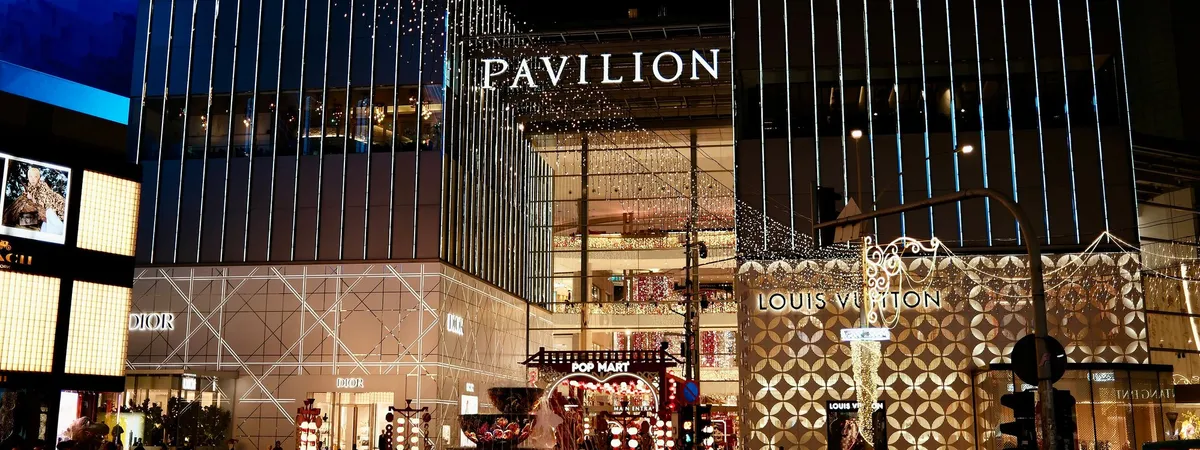
Bukit BintangFirst-time visitorsThe widest choice of hotels, shopping, and hawker food in the city, with the best nightlife of any area covered here.Busy and loud at street level well into the night, especially near Jalan Alor and the bar strip.
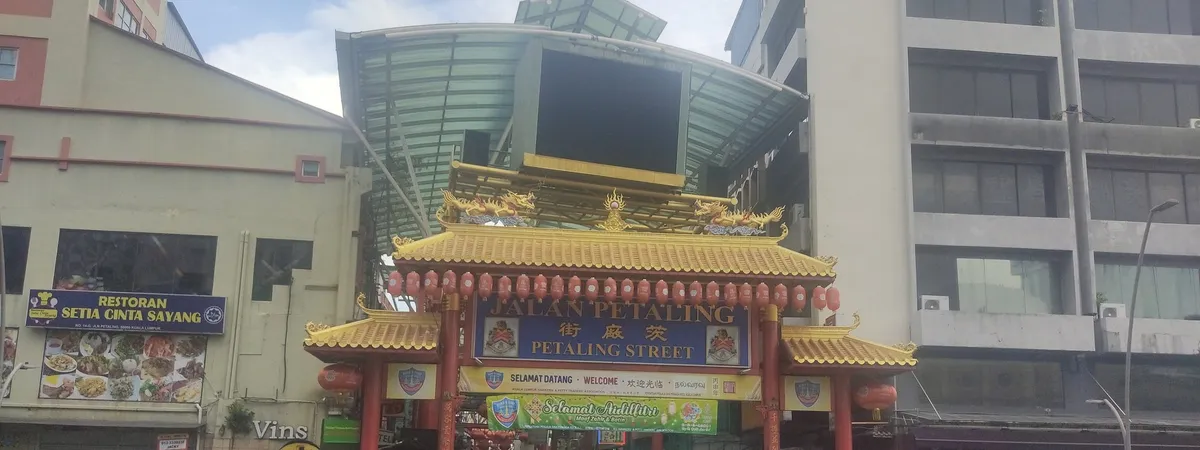
ChinatownBudget travelersThe most affordable of the three central districts, with the city's oldest streets and easy walking access to Merdeka Square.Fewer upscale hotel options than KLCC or Bukit Bintang, and the market streets are crowded and warm for much of the day.

Our picks for Kuala Lumpur

A handful of editorial calls across every neighborhood above, not just the highest star rating — see each hotel's own card further down for the full case for and against it.

A couple of hotels in KLCC

KLCC is the top-recommended area to stay in Kuala Lumpur.

Grand Hyatt Kuala Lumpur

★★★★★
  • 👨‍👩‍👧 Best for families

Our take A relaxed, spacious five-star base right at the edge of KLCC Park, with one of the better towers-facing pool decks in the city.

Good for

  • Luxury travelers
  • Families

Families and luxury travelers who want spacious, view-facing rooms and full five-star amenities a short walk from KLCC Park and the towers.

Why we like it

  • Floor-to-ceiling windows in every room, many with direct Petronas Towers or park views
  • An outdoor pool deck that faces the towers, one of the better pool views in the city
  • A short, flat walk to KLCC Park and Suria KLCC mall
  • Standard rooms run spacious for a KLCC five-star, which helps on longer stays

What to know

  • The hotel sits a short walk back from the towers rather than directly beside them, so the closest room views are slightly more distant than the very nearest KLCC properties
Check availability on Booking.com

Mandarin Oriental, Kuala Lumpur

★★★★★
  • ✨ Best luxury

Our take The standout luxury address in KLCC — the towers-and-park view from the pool deck is hard to match anywhere else in the city.

Good for

  • Luxury travelers
  • Couples

Couples and luxury travelers who want to be as close as a hotel gets to the Petronas Towers, with full five-star service and a pool with a view to match.

Why we like it

  • Steps from the Petronas Towers, with many rooms and the outdoor pool facing them directly
  • Directly connected to Suria KLCC mall and the Convention Centre, so you can reach both without going outside
  • An award-winning spa and a genuinely large outdoor infinity pool overlooking KLCC Park
  • Club-level rooms add a private lounge with all-day refreshments and priority check-in

What to know

  • Rates sit well above the rest of KLCC's hotels — it's priced as the city's top luxury address, not a mid-range splurge
Check availability on Booking.com

Useful travel information

Malaysia uses the ringgit (RM). The KL Monorail, LRT, and MRT cover most of the areas in this guide — a rechargeable Touch 'n Go card works across all three, though single-journey tickets are fine too. Grab (the regional ride-hailing app) is the easiest way to get a metered ride without haggling. Dress modestly (shoulders and knees covered) when visiting mosques such as Masjid Jamek or the National Mosque, and remove your shoes before entering.

Tips

  • The Petronas Towers' observation deck and skybridge tickets sell out, especially for sunset slots — book online a few days ahead rather than turning up on the day.
  • The KLCC–Bukit Bintang elevated walkway is a fully air-conditioned, roughly 15-minute covered link between the two districts — a good way to move between them without the heat or traffic.
  • Hawker food at Jalan Alor and Petaling Street is a real highlight, not just a budget fallback — a stall with a fast-moving line of local customers is usually both fresher and better than a quiet one nearby.

Frequently asked questions

Where should first-time visitors stay in Kuala Lumpur?
KLCC is the easiest first base — it's on the LRT and monorail with the Petronas Towers, KLCC Park, and Suria KLCC mall on your doorstep. If you'd rather be in the middle of the city's nightlife and shopping, Bukit Bintang is a strong alternative, just a short walkway away.
Is Kuala Lumpur walkable?
Each neighborhood in this guide is walkable on its own, and KLCC and Bukit Bintang are linked by a covered elevated walkway, but the city as a whole is too spread out and traffic-heavy to cross on foot — you'll use the Monorail, LRT, or MRT to move between areas further apart, like Chinatown.