Last updated June 21, 2026
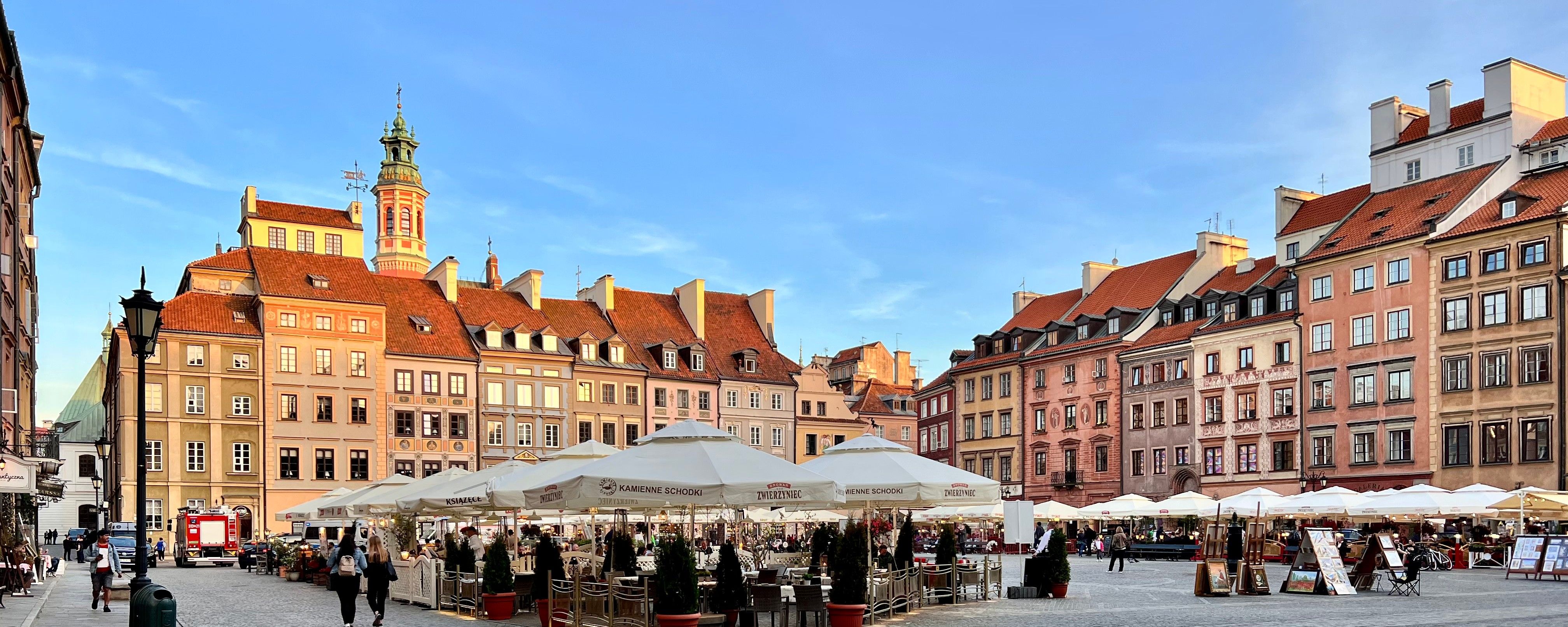
Chris Olszewski / Wikimedia Commons, CC BY-SA 4.0
Europe
Poland Travel Guide
Poland packs a lot into one country: a rebuilt capital that wears its history openly, a medieval royal city that survived World War II almost untouched, a Hanseatic port city on the Baltic, and a mountain town at the foot of the Tatras. Warsaw, the capital, was flattened in 1944 and rebuilt from photographs and paintings, so its Old Town looks centuries old but is largely a 20th-century reconstruction — a fact most visitors find more moving than diminishing once they know it. Kraków, by contrast, is the real thing: a market square, castle, and street layout that never stopped being medieval.
Quick facts
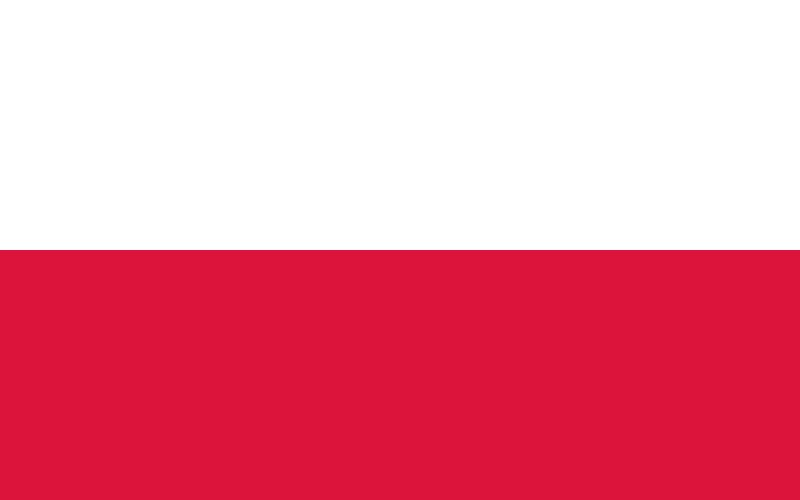
- Flag
- Poland
- Capital
- Warsaw
- Language
- Polish
- Currency
- PLN (zł)
- Timezone
- Central European Time (UTC+1, UTC+2 in summer)
- Calling code
- +48
- Driving side
- Right-hand side
Five of Poland's most-visited destinations stand out — Warsaw, Kraków, Gdańsk, Wrocław, and the mountain town of Zakopane — each with its own character, from Kraków's UNESCO-listed old town to Zakopane's wooden architecture under the Tatras.
Planning your trip
- Best time to visit
- May, June, and September bring mild weather and thinner crowds than the peak of July and August, when Kraków's Main Square and Gdańsk's waterfront are at their busiest. December has its own appeal for Warsaw's and Kraków's Christmas markets, though days are short and cold. Zakopane runs on its own calendar — winter (December–March) for skiing, June through September for hiking in the Tatras.
- Good to know
- Poland uses the złoty (zł), not the euro — cards are widely accepted, but it's worth carrying some cash for smaller vendors and markets. English is spoken fairly widely in hotels, restaurants, and shops in the main tourist cities, especially among younger staff, though less so in smaller towns. Trains connect the main cities well — Warsaw to Kraków is about 2.5 hours, Warsaw to Gdańsk around 2.5-3 hours on the fastest services. Tipping isn't obligatory, but rounding up or adding roughly 10% at restaurants is common practice.
Cities
Where to stay in each of Poland's cities — pick one below to see its best neighborhoods and hotels.
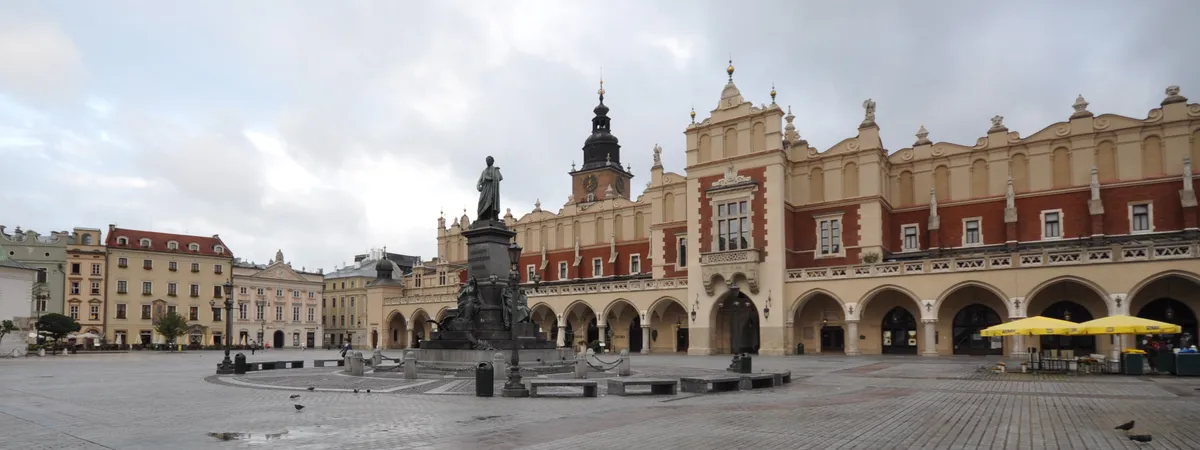
Jorge Láscar / Wikimedia Commons, CC BY 2.0
Kraków
Best for: First-time visitors, Couples, Architecture lovers, Budget travelers
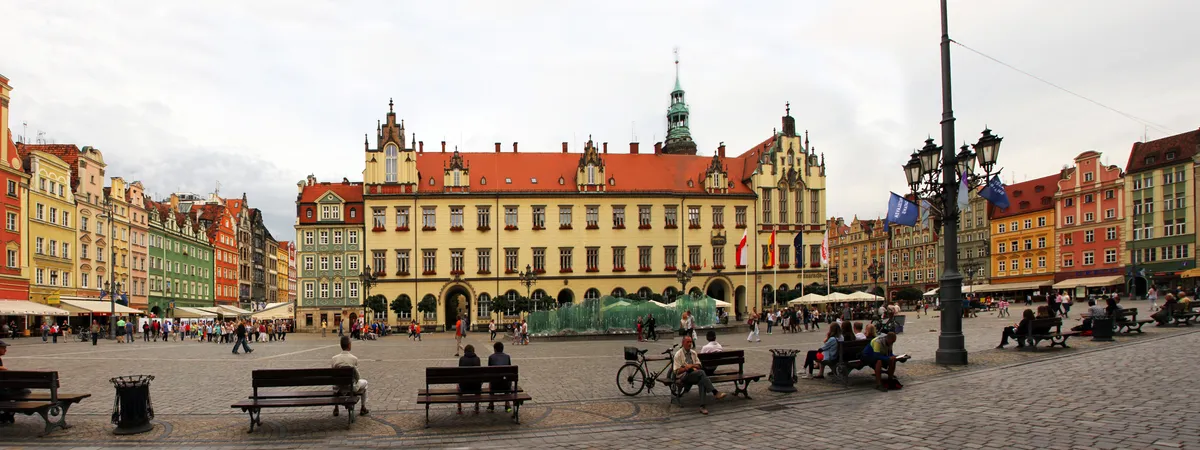
Gerd Eichmann / Wikimedia Commons, CC BY 4.0
Wrocław
Best for: First-time visitors, Couples, Architecture lovers, Budget travelers
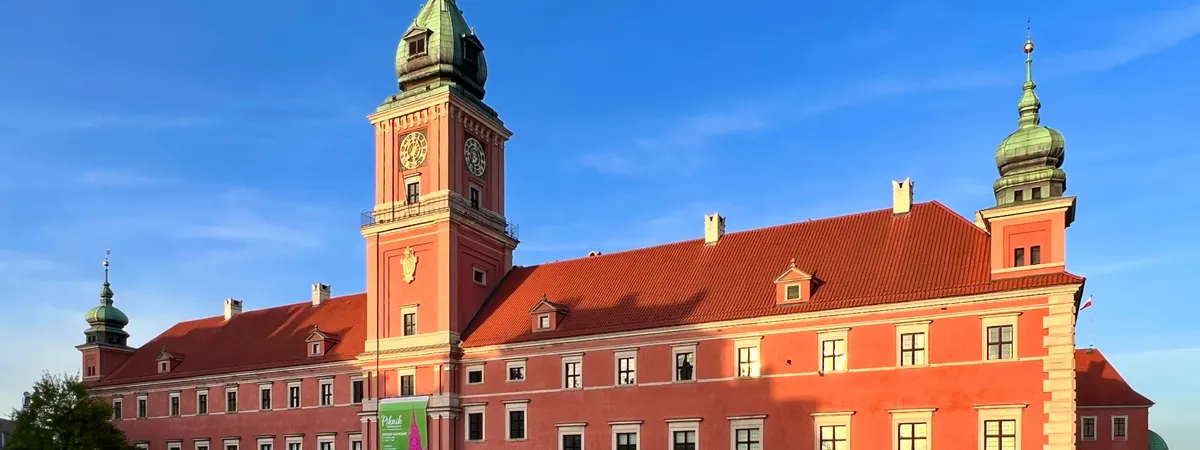
Chris Olszewski / Wikimedia Commons, CC BY-SA 4.0
Warsaw
Best for: First-time visitors, Couples, Architecture lovers, Budget travelers
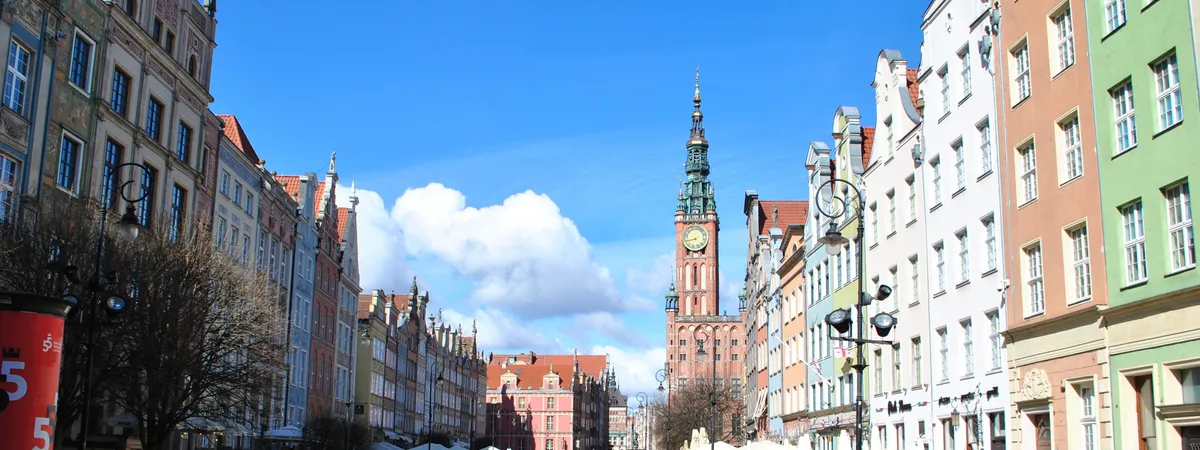
Marek Mróz / Wikimedia Commons, CC BY-SA 4.0
Gdańsk
Best for: First-time visitors, Couples, Architecture lovers, Budget travelers
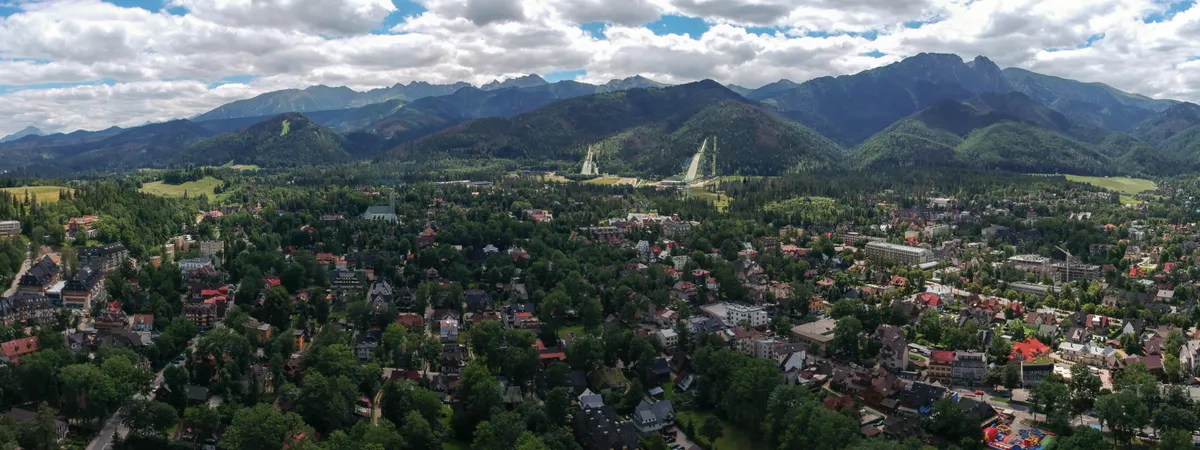
Maksym Kozlenko / Wikimedia Commons, CC BY-SA 4.0
Zakopane
Best for: First-time visitors, Couples, Families
Tips
- Carry some cash even though cards are widely accepted — small cafés, market stalls, and some public toilets in older town centers still prefer złoty.
- Book a Wieliczka Salt Mine tour or Auschwitz-Birkenau tour ahead of time from Kraków — both run on timed-entry slots that sell out in peak season.
- Pack layers for Zakopane and the Tatras regardless of season — mountain weather changes quickly even when the towns below are warm.
Good to know
- Kraków's historic center, including the Main Market Square and Wawel Castle, was among the first twelve sites ever inscribed on the UNESCO World Heritage List, in 1978.
- Warsaw's Old Town was almost entirely destroyed in World War II and rebuilt from the mid-1940s through the 1960s using pre-war paintings and photographs as reference — it's UNESCO-listed specifically for that reconstruction effort.
- Poland's tourist accommodation establishments hosted around 7.9 million foreign guests in 2024, roughly a fifth of all accommodated visitors, according to Statistics Poland (GUS).
Frequently asked questions
- How many days do I need in Poland?
- A week gives you a solid first trip: 2-3 days each in Warsaw and Kraków, and a couple of days for either Gdańsk on the coast or Zakopane in the mountains. Each city also works well as a shorter standalone trip of 2-3 days.
- Do I need to speak Polish to visit?
- No. English is spoken reasonably widely in hotels, restaurants, and shops across Warsaw, Kraków, Gdańsk, and Wrocław, especially among younger staff — a few Polish phrases are appreciated but not necessary.
- Is Poland expensive to visit?
- No — Poland is one of the better-value trips in Western and Central Europe. Hotels, food, and transport generally cost noticeably less than in Germany or Austria, though prices in central Kraków and Warsaw have been climbing.