


Notre-Dame Cathedral seen across the Seine from the riverside walkway, with the Île de la Cité and a stone bridge behind it

Björn Söderqvist / Wikimedia Commons, CC BY-SA 2.0

France

Where to Stay in Paris

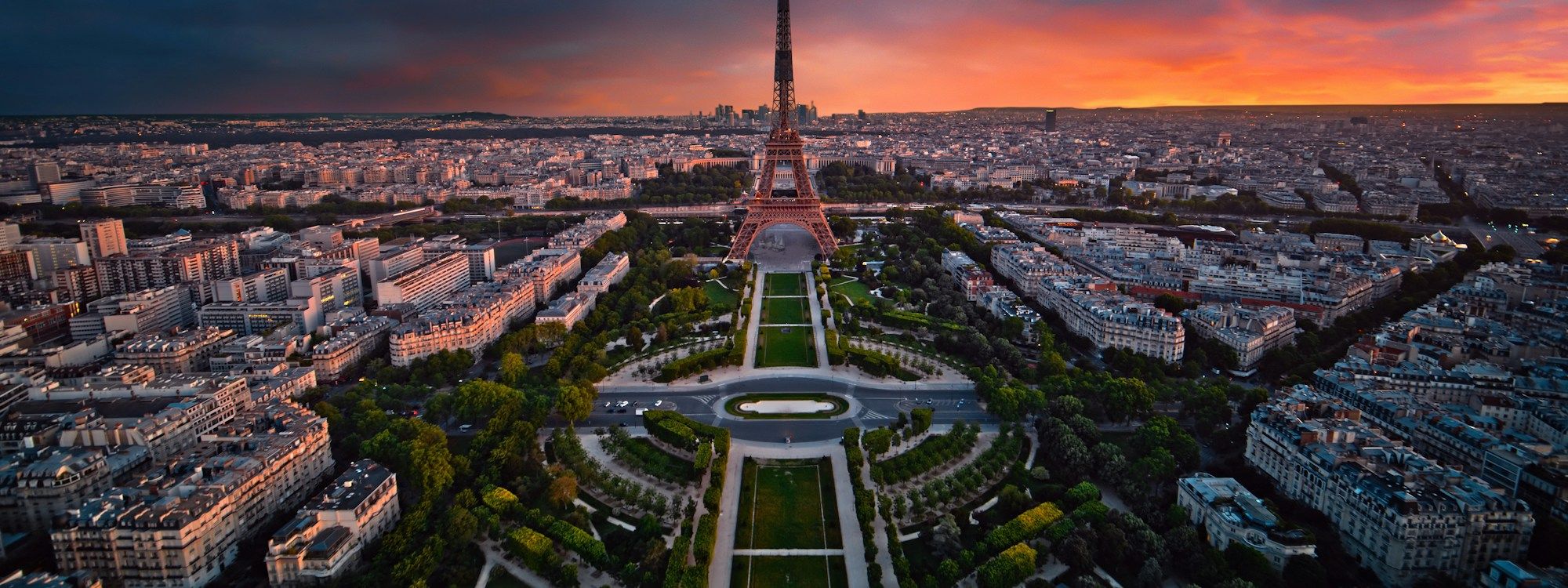
Paris is France's capital and its most-visited city by far, built around a bend in the Seine and organized into 20 spiral-numbered arrondissements. It's dense with the sights most first-time visitors come for — the Eiffel Tower, the Louvre (the world's most-visited museum), Notre-Dame, the Arc de Triomphe — but a lot of its character is in the smaller stuff: a cafe on a corner, a market street, a park bench with a view of a dome or a spire. The center is compact enough to cover a lot on foot, and the metro fills in the rest, with a station rarely more than a short walk away almost anywhere central. Neighborhoods vary a lot in feel from one arrondissement to the next, so where you stay changes the trip more in Paris than in most cities.

Quick facts

Best time to visit
April through June and September through October are the best months — mild weather and gardens in bloom or trees turning, with smaller crowds than summer. July and August are the warmest and busiest months, and also when many Parisians take their own vacation — some smaller restaurants and shops, especially outside the main tourist areas, close for part of August. Winter is quiet and cold but rarely freezing, and the museums are at their least crowded.
Renting a car
Skip a rental car if you're staying anywhere central. Streets in the older arrondissements are narrow and congested, parking is scarce and expensive, and the metro and RER cover the city far more easily than driving. A car only starts to make sense for day trips into the surrounding countryside, and even then the train usually gets you to other major French cities faster.

Where to stay

Compare neighborhoods

AreaBest forAdvantageTrade-off
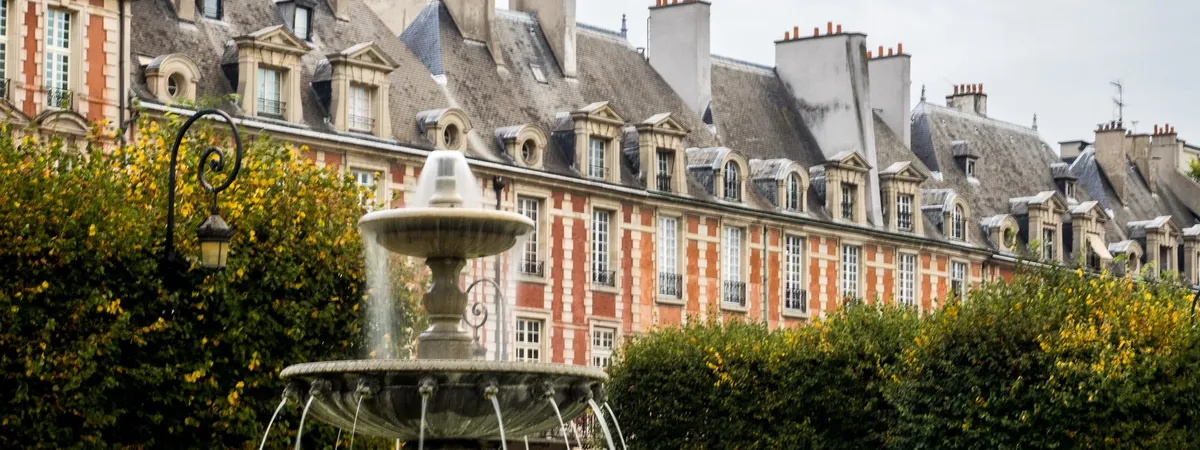
Le MaraisFirst-time visitorsA short, flat walk to Notre-Dame, the Louvre, and Place des Vosges, with restaurants and nightlife open late — including on Sundays, when much of Paris shuts down.Prices and weekend crowds run higher here than in most other central neighborhoods, and the main streets stay noisy into the night.
Latin QuarterFirst-time visitorsOne of the shortest, most affordable-feeling walks to Notre-Dame and the Seine, with a livelier and cheaper dining scene than the neighborhoods just across the river.The streets right around Place Saint-Michel and Rue de la Huchette are noisy and touristy at night.
Saint-Germain-des-PrésFirst-time visitorsA quieter, more elegant central base with an easy walk to the Louvre, Notre-Dame, and the Jardin du Luxembourg.One of the more expensive neighborhoods to book a hotel in, and quieter at night if you're looking for nightlife on your doorstep.
MontmartreCouplesA distinctive hilltop setting with panoramic views over Paris and a village feel unlike anywhere else in the city.Steep streets and a lot of stairs, and a longer trip to reach the Louvre or other central sights.

Our picks for Paris

A handful of editorial calls across every neighborhood above, not just the highest star rating — see each hotel's own card further down for the full case for and against it.

A couple of hotels in Le Marais

Le Marais is the top-recommended area to stay in Paris.

Le Pavillon de la Reine

★★★★★
  • ✨ Best luxury
  • 🏛️ Best for architecture & design

Our take A genuinely special address — the kind of hotel that makes staying on Place des Vosges itself feel within reach, with an extensive spa to match.

Good for

  • Couples
  • Luxury travelers
  • Architecture lovers

Suits couples and travelers looking for an elegant, spa-equipped stay right on Paris's oldest planned square.

Why we like it

  • Sits directly on Place des Vosges, behind its own private courtyard garden
  • An extensive spa with a Turkish bath and jacuzzi, unusual for a hotel this central
  • Interiors that draw on the building's 17th-century history rather than a generic luxury look
  • A short, flat walk to the Bastille, Rue des Rosiers, and the rest of Le Marais
Check availability on Booking.com

Les Tournelles

★★★★
  • ❤️ Best for couples

Our take A comfortable, well-placed option just off Place des Vosges, with a level of design that's a step up from a typical mid-size hotel.

Good for

  • Couples
  • First-time visitors

Good for couples and first-time visitors who want to be steps from Place des Vosges without paying for a five-star address.

Why we like it

  • A two-minute walk from Place des Vosges and the surrounding boutique streets
  • More design-conscious interiors than most hotels in this part of Le Marais
  • Central enough to walk to the Bastille, the Centre Pompidou, and Rue des Rosiers

What to know

  • Rue de Turenne is a busier street, so ask for a room facing away from it if you're a light sleeper
Check availability on Booking.com

Useful travel information

France uses the euro. Paris is served by two main airports: Charles de Gaulle (CDG), about 26km northeast of the center, with the RER B train reaching Gare du Nord in around 25–30 minutes; and Orly (ORY), about 13km south, connected by the Orlyval shuttle to the RER B or by tram and bus. The metro network is extensive and dense — most central addresses are within a short walk of a station — and the RER regional trains cover longer hops and the airports. Central Paris is generally safe for tourists; the main everyday risks are pickpocketing around major sights, on the metro, and in crowded queues.

Tips

  • Book the Louvre, the Eiffel Tower, and the Palace of Versailles online and ahead of time — all three routinely sell out same-day tickets, especially from spring through summer.
  • Keep an eye on your belongings around major sights, on the metro, and in ticket queues — pickpocketing is the main everyday risk for visitors, more a nuisance than a danger.
  • Greet shopkeepers and waiters with a simple "Bonjour" before switching to English or asking a question — it's a small habit that noticeably warms up service.
  • If traveling in August, check opening hours before counting on a specific small restaurant or shop — many independent businesses close for part of the month while owners take their own summer holiday.

Frequently asked questions

Where should first-time visitors stay in Paris?
Le Marais and the Latin Quarter are both strong first choices — central, walkable, and close to major sights on both sides of the Seine. Saint-Germain-des-Prés is a similarly central Left Bank option with a more upscale, sit-down-cafe feel.
Is Paris walkable?
The central arrondissements are very walkable, and many major sights are a manageable walk from each other. For anything further out, the metro is dense enough that a station is rarely far away.
How many days do you need in Paris?
Four to five days covers the major museums and landmarks with some breathing room to just wander a neighborhood. Many visitors add a day trip to the Palace of Versailles, about 45 minutes away by train.