Last updated July 12, 2026
Arild Vågen / Wikimedia Commons, CC BY-SA 3.0
Asia
Turkey Travel Guide
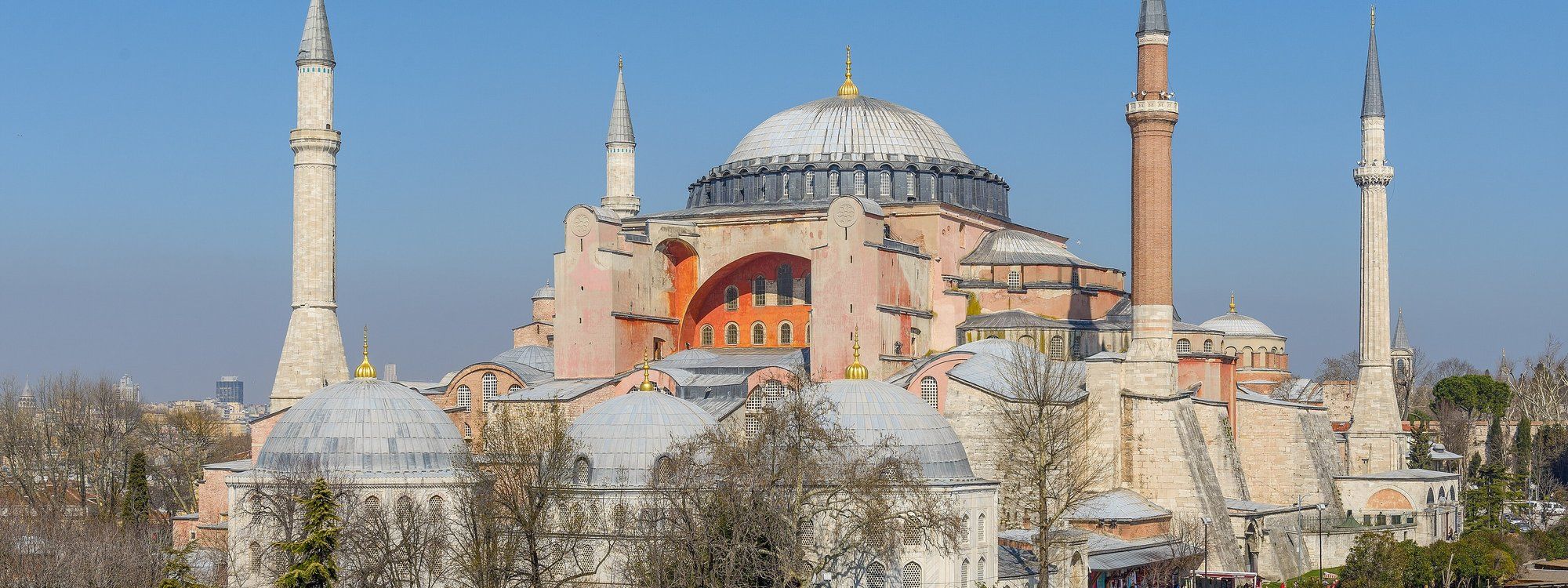
Turkey stretches from the domes and bazaars of Istanbul, straddling Europe and Asia across the Bosphorus, down to the Aegean coast and inland to the surreal rock landscape of Cappadocia. Istanbul anchors most first trips — over 2,000 years of Roman, Byzantine, and Ottoman history packed into one city — but the country's appeal spreads well beyond it: Antalya's old town and beach resorts along the Turquoise Coast, Cappadocia's cave hotels and sunrise hot-air balloons, Izmir's Aegean waterfront, and Bodrum's marina and whitewashed hillside towns. The main destinations are Istanbul, Antalya, Cappadocia, Izmir, and Bodrum.
Quick facts
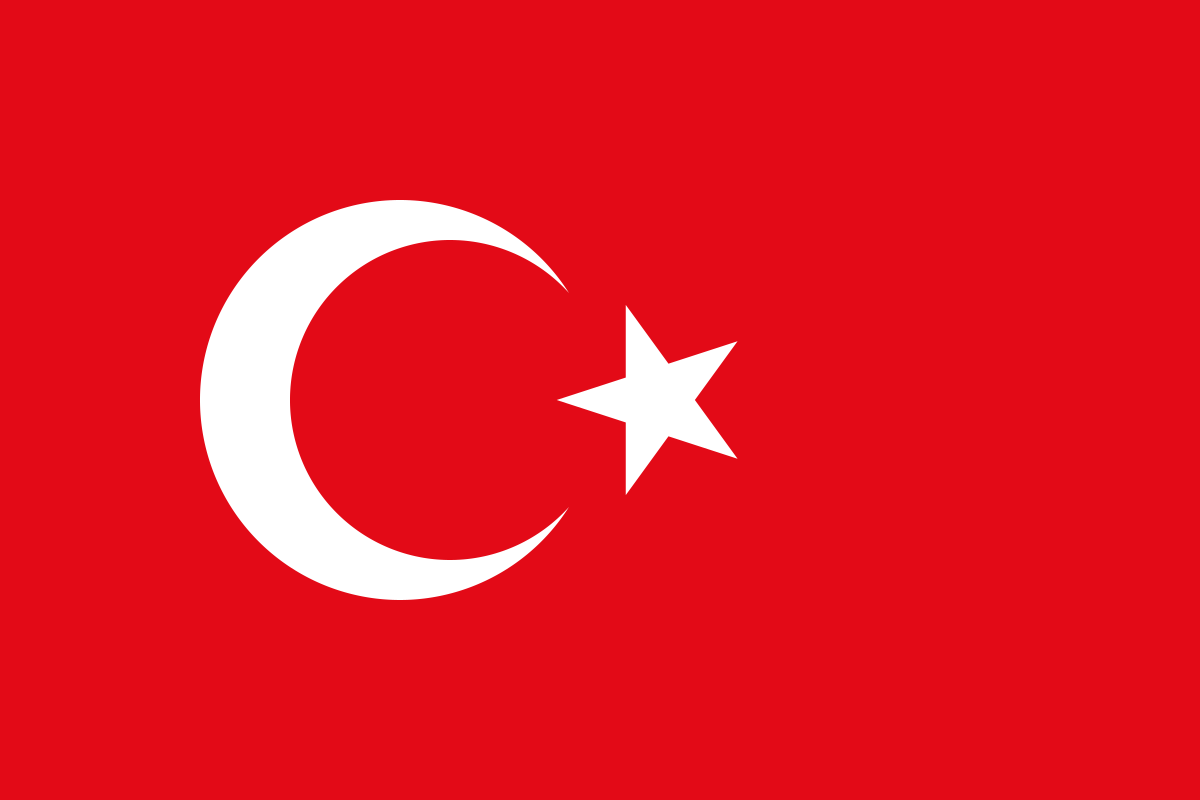
- Flag
- Turkey
- Capital
- Ankara
- Language
- Turkish
- Currency
- TRY (₺)
- Timezone
- Turkey Time (UTC+3, no daylight saving)
- Calling code
- +90
- Driving side
- Right-hand side
Planning your trip
- Best time to visit
- April–May and September–October are the sweet spot for most of the country — warm enough for sightseeing and the coast, without the peak-summer heat or crowds. July and August get very hot, especially inland and on the south coast, though they're still the busiest months for Aegean and Mediterranean beach resorts. Cappadocia's balloon flights fly year-round but are more likely to be cancelled for wind between December and February.
- Good to know
- Turkey uses the Turkish lira (₺); cards are widely accepted in cities and resorts, but small shops, markets, and rural areas often expect cash. Many nationalities need an e-Visa, arranged online before arrival — check the official government e-Visa site rather than a third-party lookalike. Tipping around 10% is customary at restaurants if a service charge isn't already added. Bargaining is expected in bazaars and souvenir markets but not in shops with marked prices. Traffic drives on the right.
Cities
Where to stay in each of Turkey's cities — pick one below to see its best neighborhoods and hotels.
Alexxx1979 / Wikimedia Commons, CC BY-SA 4.0
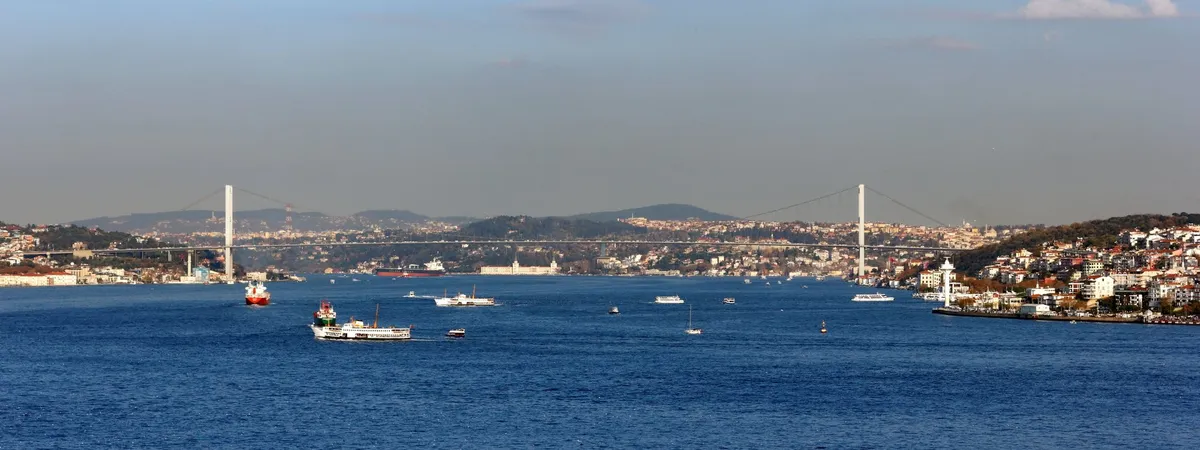
Istanbul
Best for: First-time visitors, Architecture lovers, Nightlife
Saffron Blaze / Wikimedia Commons, CC BY 3.0
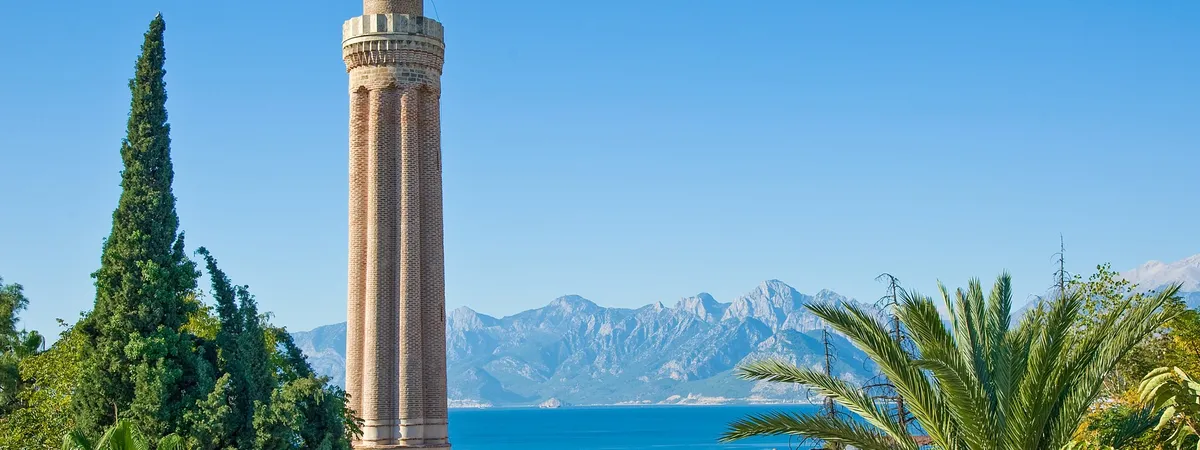
Antalya
Best for: Beach time, Couples, Families
Feridun F. Alkaya / Wikimedia Commons, CC0 1.0
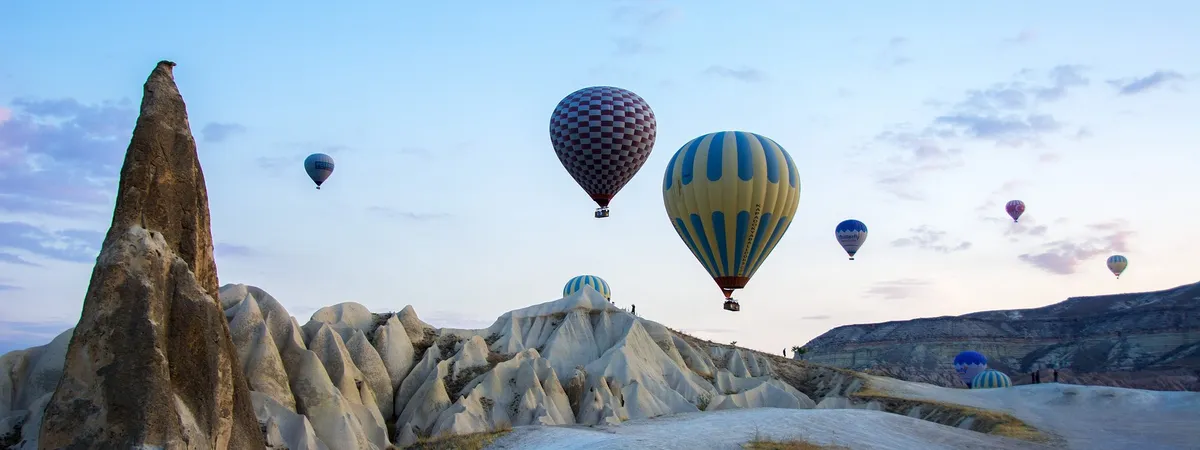
Cappadocia
Best for: First-time visitors, Couples, Architecture lovers
Serhio Magpie / Wikimedia Commons, CC BY 4.0
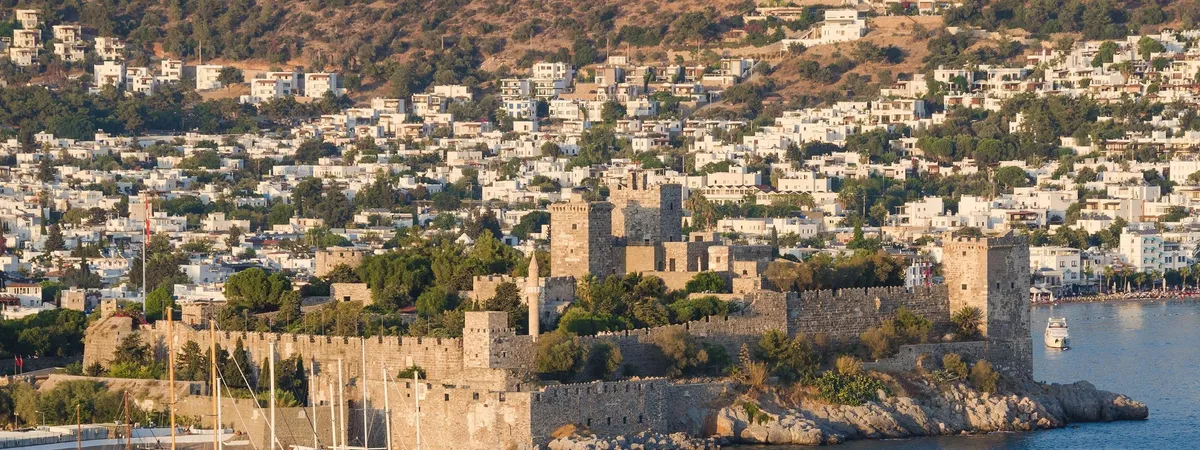
Bodrum
Best for: Couples, Beach time, Luxury travelers
Koray / Wikimedia Commons, CC BY-SA 4.0
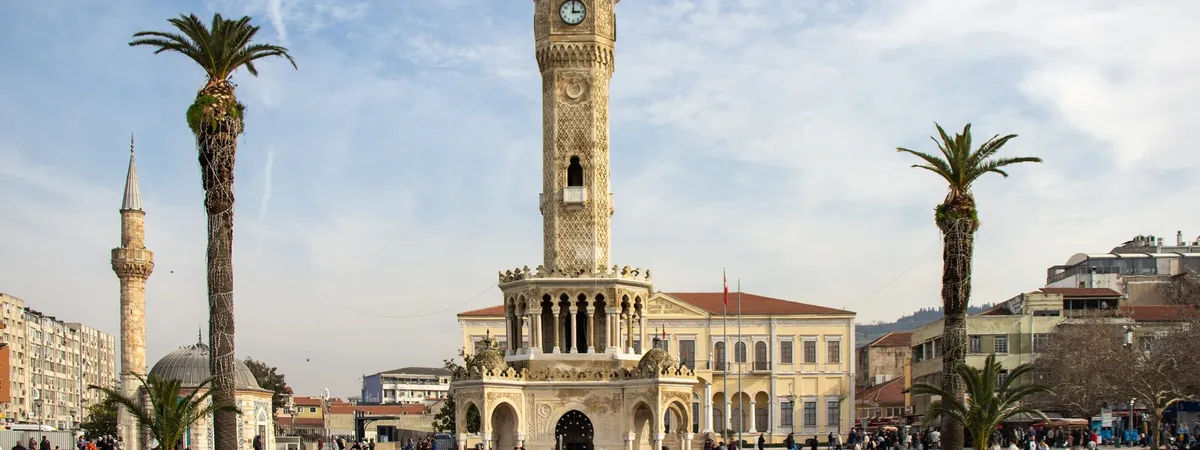
Izmir
Best for: First-time visitors, Couples, Nightlife
Tips
- Get your e-Visa only from the official government site (evisa.gov.tr) — several lookalike sites charge extra fees for the same visa.
- Istanbul's tram, metro, and ferries all run on the same rechargeable Istanbulkart — pick one up at any station kiosk or machine rather than buying single tickets.
- Book a Cappadocia balloon flight for your first morning there if possible, not your last — flights are weather-dependent and routinely rescheduled a day or two later.
Good to know
- Istanbul, not Ankara, is Turkey's largest city and main tourist hub — Ankara is the capital but sees far fewer visitors.
- Istanbul is the only major city in the world that spans two continents, split by the Bosphorus strait between Europe and Asia.
- Turkey abolished daylight saving time in 2016 and now stays on UTC+3 year-round.
Frequently asked questions
- Do I need a visa to visit Turkey?
- Many nationalities need an e-Visa, which is arranged online before you travel through the official government site. Requirements vary by passport, so check well ahead of your trip.
- Is Turkey expensive to visit?
- Turkey is generally affordable by European standards, though prices in Istanbul's tourist core and Bodrum's resort areas run higher than the national average. The lira's exchange rate has also made Turkey noticeably cheaper for visitors paying in stronger currencies in recent years.
- How do I get between Turkish cities?
- Domestic flights are the fastest way to cover long distances — Istanbul, Antalya, Izmir, and Cappadocia (via Nevşehir or Kayseri airport) all have frequent connections. Intercity buses are comfortable and cover routes trains don't reach.