


Last updated August 16, 2026

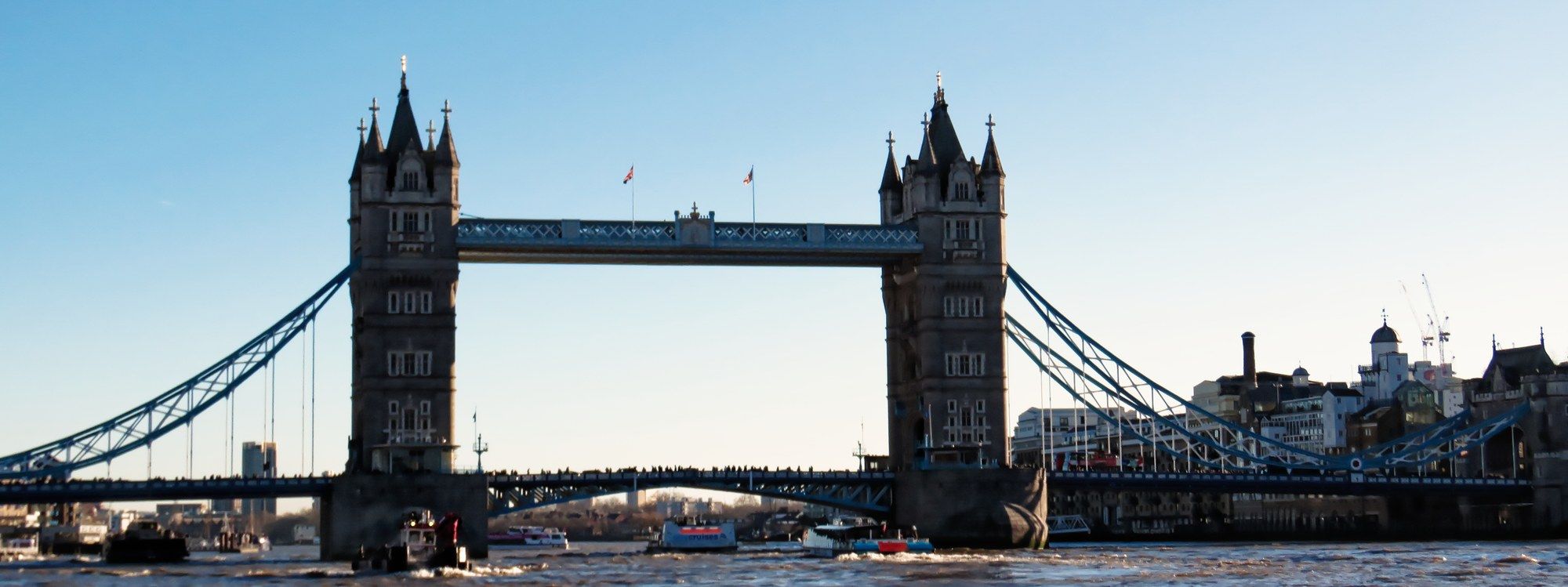
Tower Bridge over the River Thames in London, seen from the west on a clear day

Acabashi / Wikimedia Commons, CC BY-SA 4.0

United Kingdom

Where to Stay in London

London is huge, but almost everything a first-time visitor wants sits within a handful of connected central neighborhoods. A handful work best as a base — from theatre-land around Covent Garden to the museum quarter in Kensington and the riverside walk along the South Bank. The city rewards a mix of walking and the Underground: the Tube's deep, frequent network puts most of central London within 20-30 minutes of anywhere else in it. Don't miss the free national museums — the British Museum, National Gallery, and Tate galleries charge nothing for general admission — or a walk along the Thames at dusk, when the city's bridges and riverside buildings light up.

Quick facts

Best time to visit
Visit in late spring or early autumn (May-June or September) for the mildest weather and slightly thinner crowds than peak summer. July and August are busiest and priciest. Winters are mild but grey, wet, and short on daylight — pack for rain whenever you visit.
Renting a car
Skip the rental car. Central London's Congestion Charge and Ultra Low Emission Zone both apply across central London, parking is expensive and limited, and the Tube, buses, and walking cover everything here more easily.

Where to stay

Compare neighborhoods

AreaBest forAdvantageTrade-off
Covent GardenFirst-time visitorsSteps from the West End theatres, with excellent walking access to Trafalgar Square, the Strand, and the river.Busy and loud most evenings, and hotel rates run higher here than in less central areas.
South BankArchitecture loversA flat, traffic-free riverside walk connecting the London Eye, Tate Modern, and Shakespeare's Globe, with skyline views across to Westminster and the City.Spread out along the river rather than centered on one hub, and quieter for evening dining and nightlife than areas further into the West End.
KensingtonArchitecture loversThree major free museums within walking distance of each other, next to Hyde Park and Kensington Gardens.A Tube ride rather than a walk from the West End theatres and most nightlife.
MaryleboneCouplesA quieter, village-like central base within easy walking distance of Oxford Street and Regent's Park.Fewer restaurants and bars right on the doorstep than Covent Garden or Soho, and it quiets down early at night.
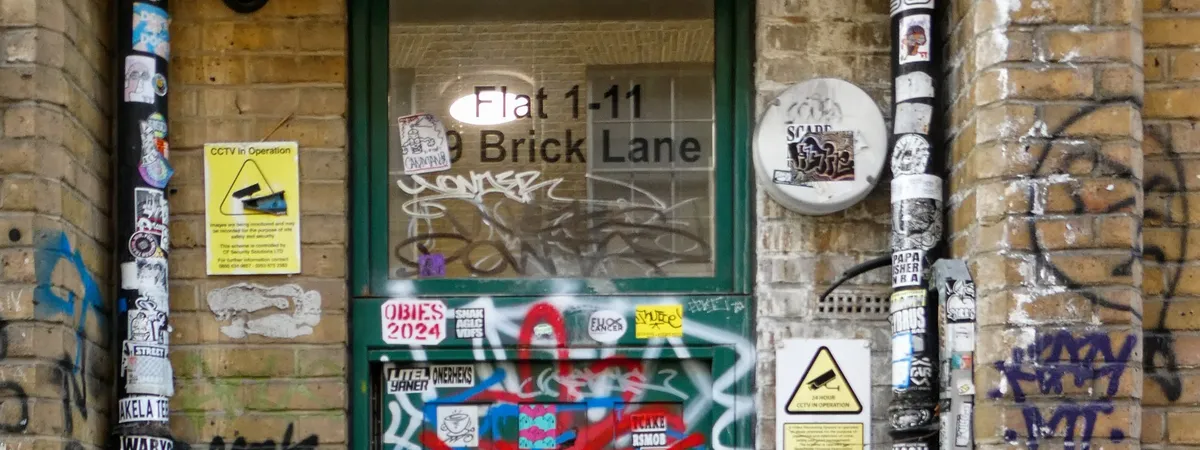
ShoreditchNightlifeLondon's densest concentration of street art, warehouse bars, and independent restaurants, generally at lower rates than the West End.Loud at night on the main streets, and further from Westminster and the traditional sights than most central London neighborhoods.

Our picks for London

A handful of editorial calls across every neighborhood above, not just the highest star rating — see each hotel's own card further down for the full case for and against it.

A couple of hotels in Covent Garden

Covent Garden is the top-recommended area to stay in London.

Radisson Blu Edwardian Mercer Street

★★★★

Our take A boutique-scale 4-star hotel tucked on a quiet street near Seven Dials — a calmer pocket of Covent Garden that's still an easy walk to the piazza and the theatres.

Highlights

  • On a quiet street by Seven Dials, walkable to the piazza and Cambridge Theatre
  • Boutique scale with individually decorated rooms rather than a large chain-hotel feel
  • Attentive staff service

What to know

  • Rooms vary in size and layout given the boutique, individually decorated format — worth checking room details before booking
Check availability on Booking.com

Strand Palace Hotel

★★★★
  • 🧭 Best for first-time visitors

Our take A big, well-located 4-star hotel that puts you a block from Covent Garden's piazza at a more moderate price than most hotels this central.

Highlights

  • A block from Covent Garden's piazza, a short walk to the Strand and the river
  • Guest rooms and public areas renovated in 2021
  • One of the area's larger hotels, so rooms are often free when boutiques sell out

What to know

  • Strand-facing rooms can pick up traffic noise; ask for a room facing away from the street for a quieter stay
  • Its size means the lobby and public areas feel busy at peak check-in times
Check availability on Booking.com

Useful travel information

The UK uses the pound sterling (£), not the euro. The Underground (the Tube) is the fastest way to cover longer distances; buy an Oyster card or use contactless card/phone payment at the gates rather than paper tickets. Traffic drives on the left — look right first when crossing the street. Tipping isn't mandatory; 10-12.5% is appreciated at sit-down restaurants if a service charge isn't already added, but it's not expected at pubs or cafés.

Tips

  • Book tickets for the British Museum, National Gallery, and other major museums online in advance where possible — general admission is free, but timed entry slots for popular exhibitions fill up.
  • Get an Oyster card or use contactless payment on the Tube and buses — it automatically caps your daily and weekly spending at the best available fare, cheaper than buying paper tickets.
  • The Tube can shut down entire lines for planned engineering works, especially on weekends — check the TfL status page before a Saturday or Sunday journey across town.

Frequently asked questions

Where should first-time visitors stay in London?
Covent Garden or South Bank both put you within walking distance of major sights, theatres, and the Thames. Covent Garden leans more shopping-and-theatre, South Bank more museums-and-river.
Is London walkable?
Central London's neighborhoods are individually very walkable, but the city as a whole is large — plan to combine walking within an area with the Tube or bus to move between areas.
How many days do I need in London?
Four to five days covers the major sights at a reasonable pace across two or three neighborhoods. A week lets you add a day trip or explore further afield.