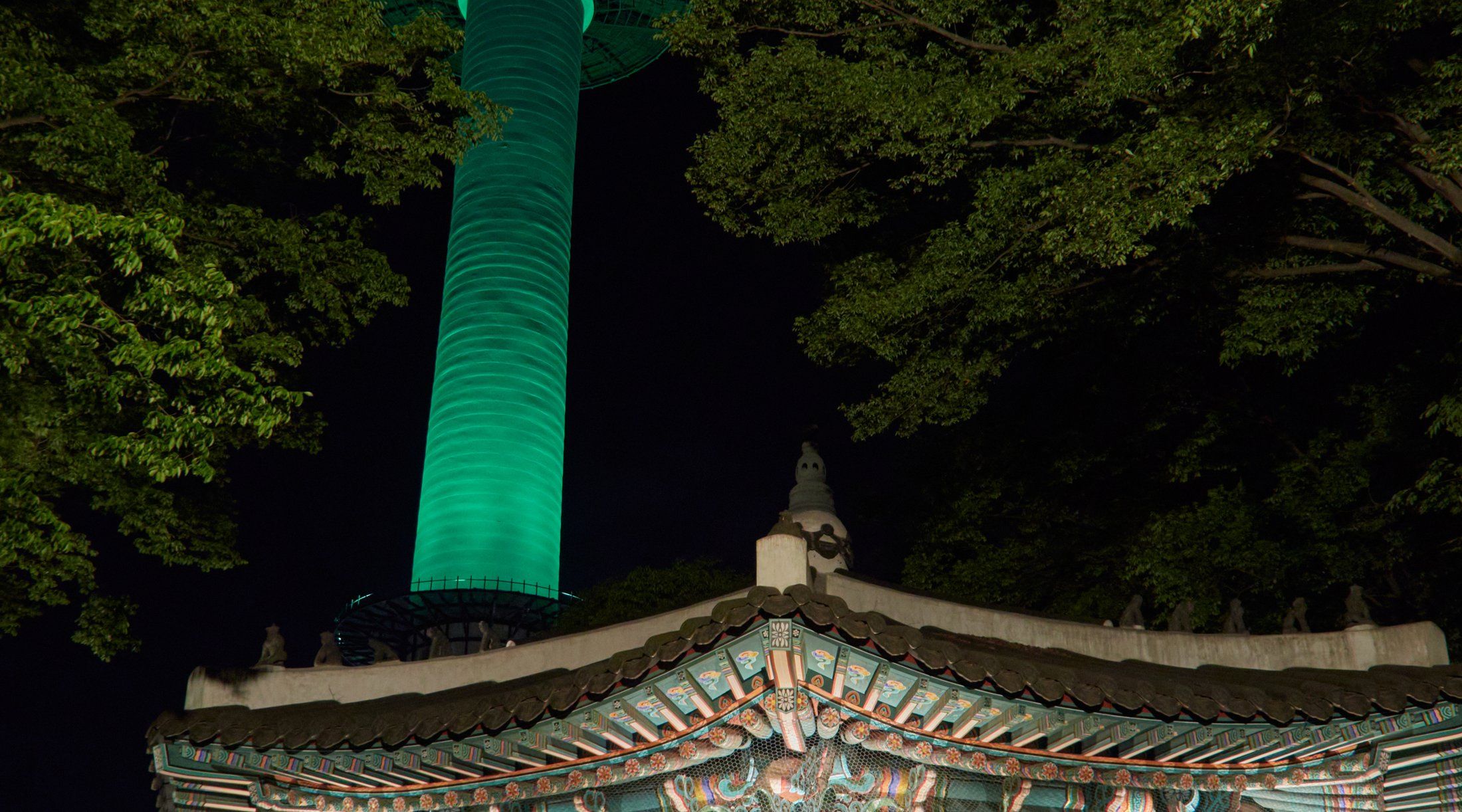
N Seoul Tower lit up at night, seen rising behind the tiled roof of a traditional pavilion on Namsan

lumoplank / Wikimedia Commons, CC0

South Korea

Where to Stay in Seoul

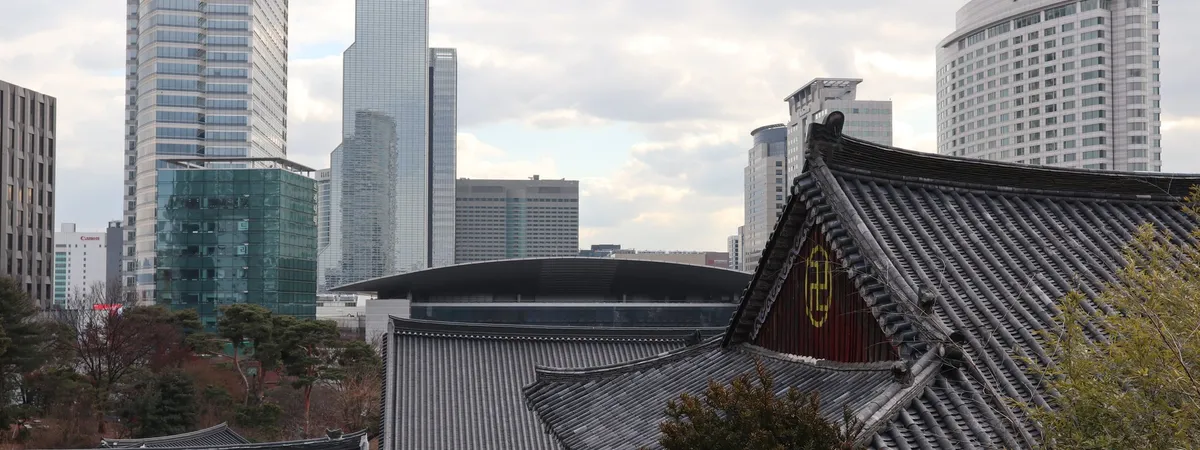
Seoul is a city of sharp contrasts packed into one metro system: centuries-old palace grounds and hanok villages sit a few subway stops from glass office towers and 24-hour shopping streets. It's South Korea's capital and, by a wide margin, its most-visited city — most first trips to the country start and end here, and plenty of visitors never leave it. The Han River splits the city roughly in two, with the older, denser north side holding most of the palaces and historic neighborhoods, and the south side, anchored by Gangnam, built up more recently around business, shopping, and nightlife. What makes Seoul easy to visit is how well it's stitched together. The subway network is extensive, cheap, and has English signage throughout, so most of the city is reachable without a car. Neighborhoods also tend to specialize — one area for palace-hopping and hanok streets, another for shopping and street food, another for rooftop bars and design hotels — which makes picking a home base more about matching your trip's focus than finding a single "best" spot.

Quick facts

Best time to visit
Spring (April) and autumn (October-early November) are the most popular times to visit, with mild weather, cherry blossoms in spring and foliage in autumn, and generally clear skies. Summer (July-August) is hot, humid, and includes the monsoon season, while winter (December-February) is cold and dry but has its own appeal around palace light displays and fewer crowds at major sights.
Renting a car
Seoul's subway network is dense, cheap, and reaches every neighborhood covered in this guide directly, while driving means dealing with heavy traffic, expensive parking, and a one-way street layout that's easy to get lost in. A car adds cost and stress without saving real time inside the city.

Where to stay

Compare neighborhoods

AreaBest forAdvantageTrade-off
GangnamLuxury travelersThe strongest base in Seoul for modern hotels, high-end shopping, and a dense restaurant and nightlife scene.A 20-30 minute subway ride from the palace district and Seoul's older, more historic neighborhoods.
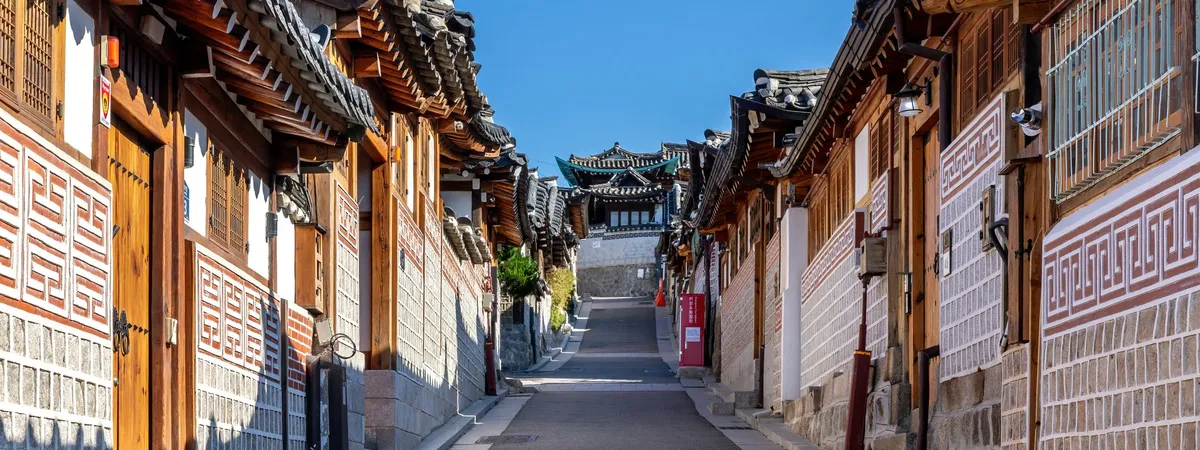
JongnoFirst-time visitorsThe most walkable base for Seoul's palaces, hanok streets, and traditional culture.Quieter after dark than Myeongdong or Gangnam, with fewer late-night dining and nightlife options nearby.
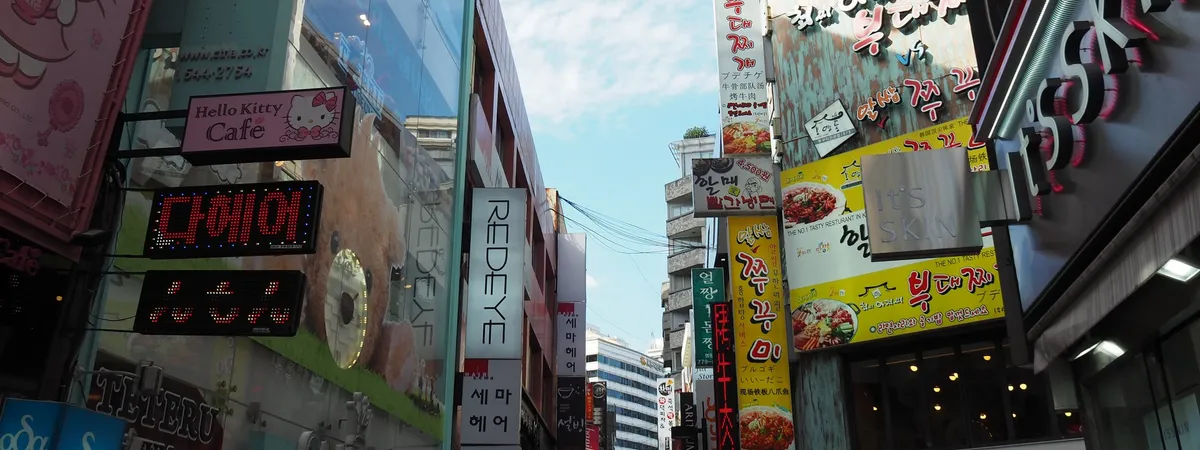
MyeongdongFirst-time visitorsAbout as central and convenient a base as Seoul has, with the subway, airport bus, and Namsan all within easy reach.The main streets are crowded and loud for most of the day and evening.

Our picks for Seoul

A handful of editorial calls across every neighborhood above, not just the highest star rating — see each hotel's own card further down for the full case for and against it.

A couple of hotels in Gangnam

Gangnam is the top-recommended area to stay in Seoul.

L7 Gangnam by Lotte

★★★★
  • 🏆 Our overall pick
  • 🏛️ Best for architecture & design

Our take L7 Gangnam is one of the strongest all-around picks in Seoul: a design-forward four-star hotel with a central Gangnam location, priced well below the area's five-star hotels without feeling like a step down in quality.

Good for

  • Couples
  • First-time visitors

First-time visitors and couples who want a genuinely stylish, well-located Gangnam base without paying five-star luxury rates.

Why we like it

  • A few minutes' walk from Seolleung subway station, in the middle of Gangnam's restaurant and business district.
  • A distinctive, design-led interior that stands out from the area's more standard business hotels.
  • Strong value for a four-star hotel this central, with rooms and public spaces that feel a level above their price point.

What to know

  • The hotel is aimed at a design-conscious, younger crowd — travelers wanting a more traditional luxury feel may prefer one of Gangnam's five-star options.
  • Being on Teheran-ro means some traffic noise on lower floors facing the street.
Check availability on Booking.com

Park Hyatt Seoul

★★★★★
  • ✨ Best luxury

Our take Park Hyatt's understated, minimalist design and genuinely central Gangnam location make it a strong pick for travelers who want a five-star stay that leans quiet and modern rather than ornate.

Good for

  • Luxury travelers
  • Couples

Couples and travelers who want a calm, design-forward five-star stay close to COEX and Gangnam's business district.

Why we like it

  • A pedestrian entrance right next to Samseong subway station, with COEX and Bongeunsa Temple both a short walk away.
  • A top-floor pool and spa with city views, a genuine highlight among Gangnam's luxury hotels.
  • Minimalist, uncluttered room design that stands out from the area's more conventional five-star options.

What to know

  • The hotel sits within Gangnam's business district, a 20-30 minute subway ride from the palace district on the north side of the river.
  • Rates are at the top of what Gangnam hotels charge, in line with its five-star positioning.
Check availability on Booking.com

Useful travel information

South Korea uses the won (₩). A T-money transit card (sold at convenience stores and subway stations) covers the subway, buses, and even some taxis, and is by far the easiest way to get around. English signage is common on the subway and at major sights, though less so in smaller local restaurants. Tipping isn't expected anywhere, including restaurants and taxis.

Tips

  • Get a T-money card as soon as you arrive (available at convenience stores and subway ticket machines) — it works on the subway, buses, and most taxis, and skips the need to buy individual tickets.
  • Download a local map/navigation app before you go — some international map apps have limited turn-by-turn transit directions in South Korea, and a local app makes the subway much easier to navigate.
  • Many palaces and hanok sights offer discounted or free entry to visitors wearing hanbok (traditional dress), which you can rent by the hour near Gyeongbokgung and in Bukchon.

Frequently asked questions

How many days do I need in Seoul?
Four to five days covers the main draws comfortably — a day or two around the palaces and hanok streets, a day for shopping and street food in Myeongdong, and a day exploring Gangnam or one of the nightlife districts. It also works well as a longer stay of a week or more given how much there is spread across the city.
Is Seoul walkable?
Individual neighborhoods are generally very walkable, especially the historic core around the palaces and hanok villages. The city as a whole is large, though, so getting between neighborhoods usually means a short subway ride rather than a long walk.
Do I need to speak Korean in Seoul?
No. English signage is common on the subway and at major tourist sights, and many hotel staff and shop workers in tourist-heavy areas speak at least basic English. A translation app helps for menus and smaller local spots.