Last updated August 29, 2026

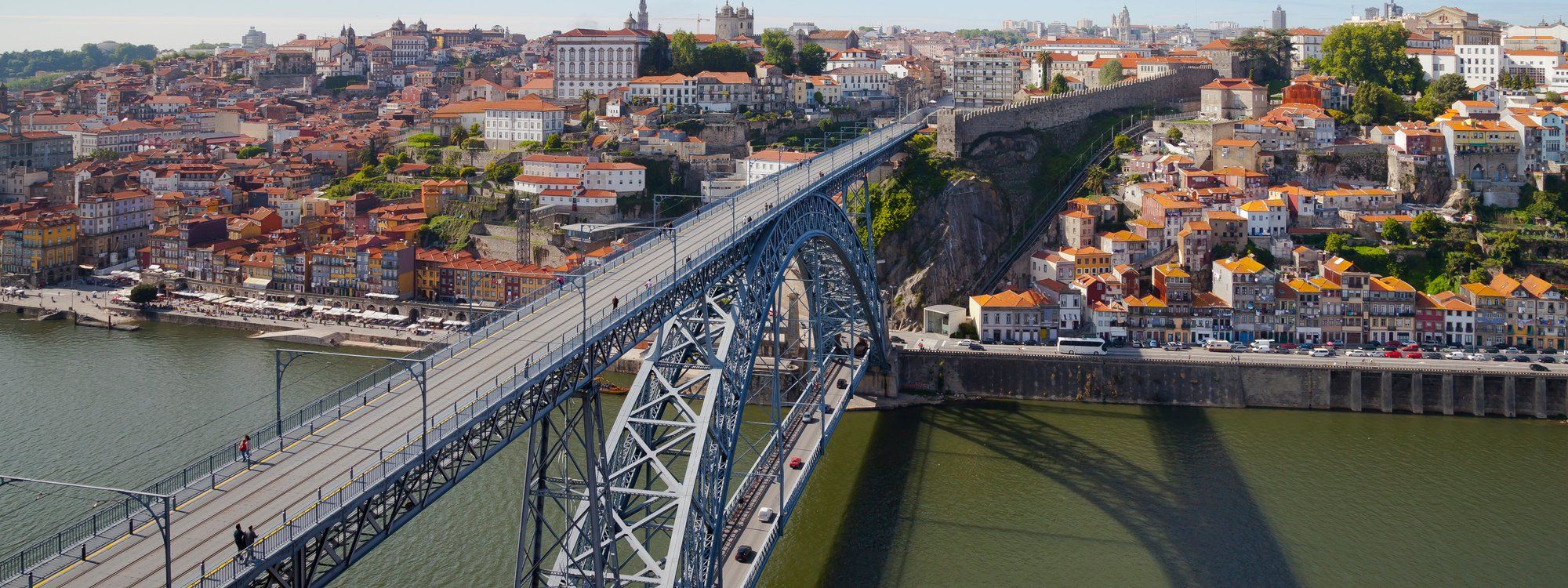
The two-tier iron Dom Luís I Bridge crossing the Douro River, with Porto's tiled, hillside old town rising behind it

Diego Delso / Wikimedia Commons, CC BY-SA 3.0

Portugal

Where to Stay in Porto

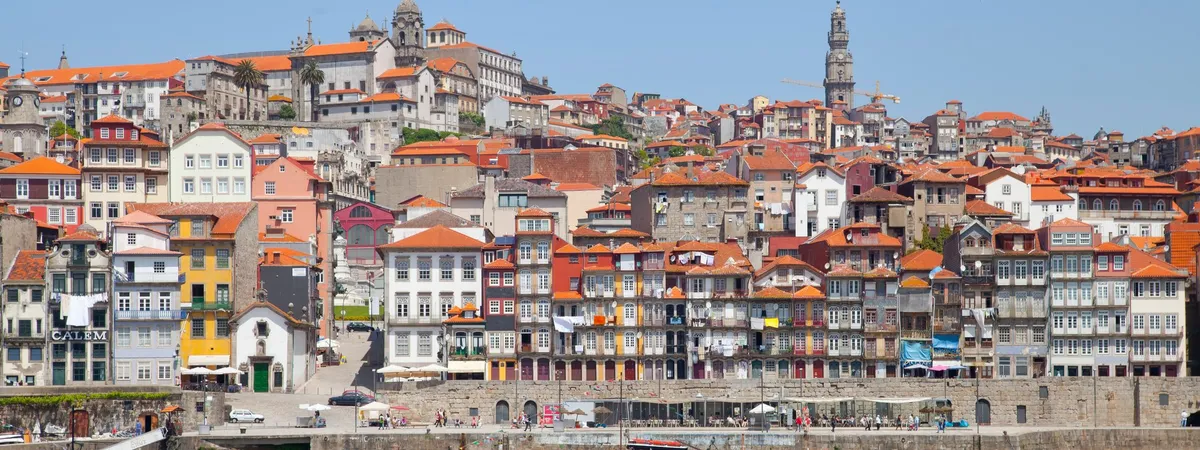
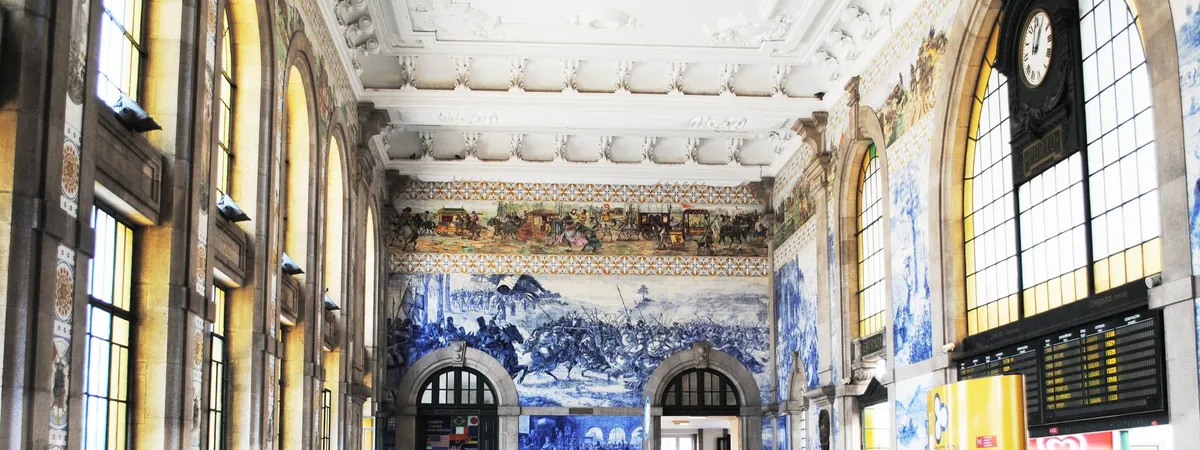
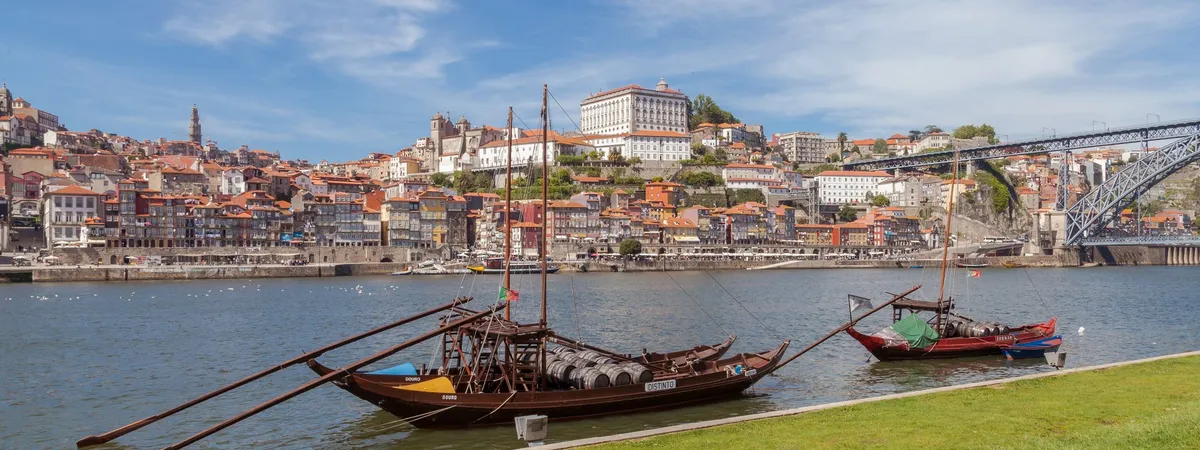
Porto is Portugal's second city, built on steep granite hills where the Douro River meets the Atlantic. It gave its name to both the country and to port wine, the fortified wine that was shipped down the river from vineyards inland and aged in cellars across the water in Vila Nova de Gaia before export. Don't miss Ribeira, the riverfront old quarter, and the Dom Luís I Bridge above it — a two-tier iron bridge completed in 1886, both inscribed together as a UNESCO World Heritage Site in 1996. São Bento train station is worth a stop on its own: its entrance hall is lined with over 20,000 hand-painted azulejo tiles depicting scenes from Portuguese history. Porto is more compact and generally more affordable than Lisbon, which makes it an easy city to cover well in just a few days.

Quick facts

Best time to visit
Visit in spring (April–June) or early fall (September) for mild weather without the busiest summer crowds. Late June brings the Festa de São João, a city-wide street festival that peaks on the night of the 23rd with fireworks and crowds in the tens of thousands — lively to be part of, but book well ahead since hotel prices rise and rooms fill fast.
Renting a car
Skip the rental car in the city center. The historic streets are narrow, steep, and largely one-way, and parking is scarce; the metro, trams, and the funicular already cover the center, and Vila Nova de Gaia is a short walk across the bridge. A car only makes sense for a day trip into the Douro Valley wine region further inland.

Where to stay

Compare neighborhoods

AreaBest forAdvantageTrade-off
RibeiraFirst-time visitorsThe most atmospheric base in Porto, right on the river and closest to the bridge crossing into the port wine cellars.The most touristy part of the city, and the busiest and noisiest at night in peak season.
Porto BaixaFirst-time visitorsThe most central, best-connected base in Porto, with the widest choice of restaurants at every price point.Less postcard-pretty than Ribeira, and busier with everyday city traffic.
Vila Nova de GaiaCouplesThe best view of Porto's Ribeira skyline, port wine cellars within walking distance, and generally better hotel value than the old town across the river.Fewer restaurants and less going on after dark than central Porto once the cellars close, with a short bridge crossing needed to reach Ribeira or Baixa.

Our picks for Porto

A handful of editorial calls across every neighborhood above, not just the highest star rating — see each hotel's own card further down for the full case for and against it.

A couple of hotels in Ribeira

Ribeira is the top-recommended area to stay in Porto.

The Editory House Ribeira Porto Hotel

★★★★

Our take A well-run, well-located 4-star just off Ribeira's main square, a middle ground between the riverfront's grand hotels and a simpler guesthouse stay.

Highlights

  • Steps from Praça da Ribeira, the Douro riverfront, Palácio da Bolsa, and Ferreira Borges Market
  • Rooms are soundproofed, which helps against Ribeira's evening restaurant-and-bar noise
  • Several rooms have a balcony or terrace with city views

What to know

  • Not every room has a balcony or river view — ask specifically when booking if that matters to you
  • The historic building's layout means room sizes and shapes vary more than in a purpose-built hotel
Check availability on Booking.com

Pestana Vintage Porto Hotel & World Heritage Site

★★★★★

Our take A genuinely well-located 5-star right on Ribeira's main square, with the kind of river frontage most Porto hotels can only offer from a few floors up.

Highlights

  • On Praça da Ribeira, across 18 historic buildings within the UNESCO-listed old town
  • Many rooms have private Douro-facing balconies; the restaurant and breakfast room share the view
  • River cruises depart right from the hotel's own dock on the waterfront

What to know

  • There's no pool on site — the hotel's facilities run to a small fitness center and bar rather than wellness amenities
  • One of Porto's busiest tourist squares is out front — ask for a higher floor or a room facing away
Check availability on Booking.com

Useful travel information

Portugal uses the euro. Porto's airport, Francisco Sá Carneiro (OPO), is about 11km north of downtown; the metro (line E, transferring to line D at Trindade) reaches São Bento in around 35–45 minutes, or a taxi takes about 20–25 minutes. The historic center is genuinely hilly, so comfortable shoes matter — trams and the Funicular dos Guindais help with the steepest climb between Ribeira and the upper town. Porto is generally very safe for a European city; the usual pickpocket caution applies in crowded spots like Ribeira and on trams.

Tips

  • Buy an Andante card for the metro and trams — it's cheaper than single tickets bought on board and covers the ride in from the airport too.
  • Book Livraria Lello and Clérigos Tower tickets online ahead of time; both cap daily entries, and the queue at the door can run well over an hour in high season.

Frequently asked questions

Where should first-time visitors stay in Porto?
Stay in Ribeira for the riverfront old-town setting within walking distance of the Dom Luís I Bridge, or in Baixa if you'd rather be closer to Clérigos Tower, São Bento station, and the city's other central sights.
Is Porto walkable?
The center is compact, but hilly — expect real climbing between the riverfront and the upper town. Trams and the Funicular dos Guindais help with the steepest stretches.
How many days do you need in Porto?
Two to three days covers Ribeira, a port wine cellar visit across the river in Vila Nova de Gaia, and the historic center's main sights without feeling rushed.