
Last updated August 26, 2026

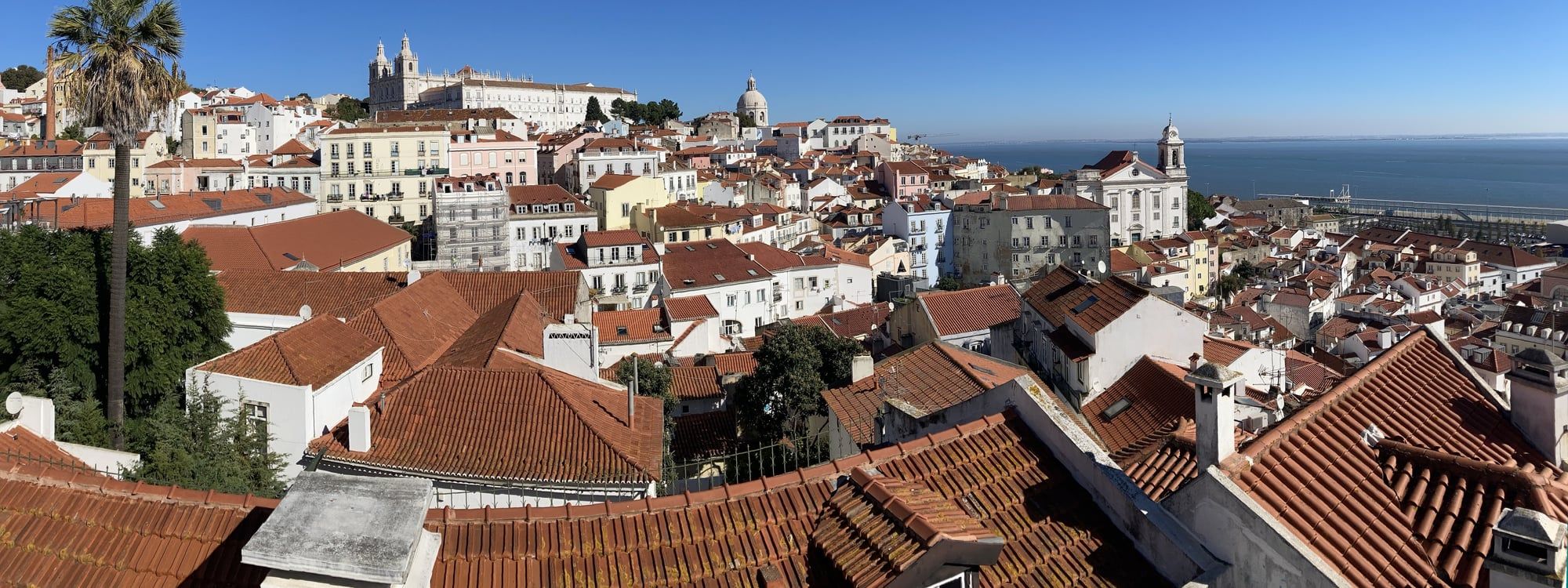
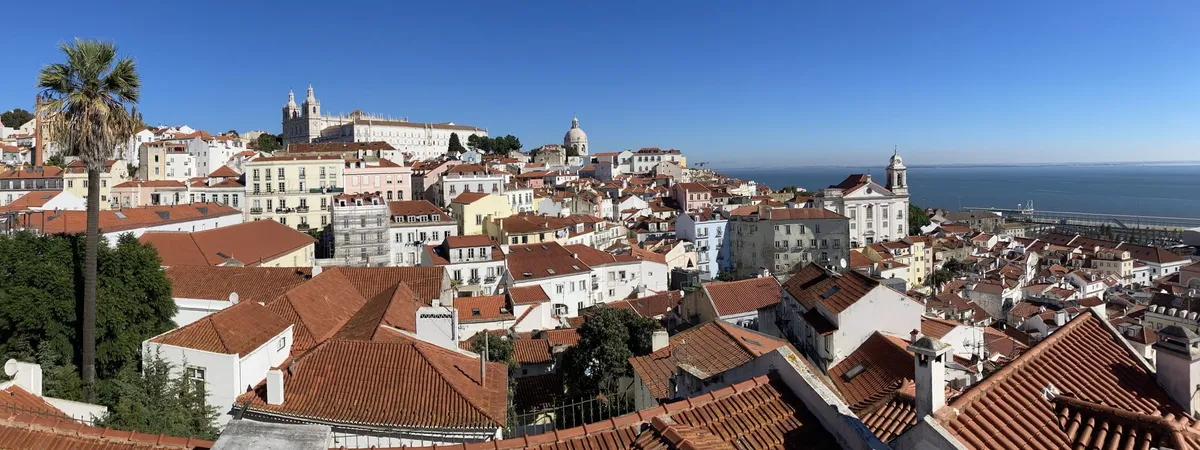
Red-tile rooftops of Lisbon's Alfama district, seen from a hillside viewpoint

Dudva / Wikimedia Commons, CC BY-SA 4.0

Portugal

Where to Stay in Lisbon

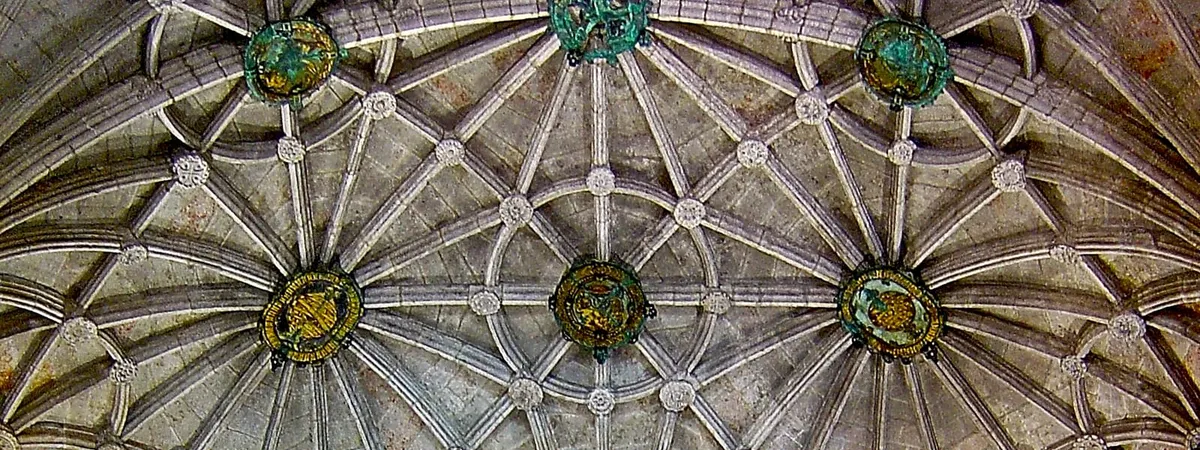
Lisbon is built across seven hills on the north bank of the Tagus River, and that terrain shapes everything about visiting — expect steep, cobbled streets, yellow trams climbing at odd angles, and a viewpoint (miradouro) around nearly every corner. A handful of neighborhoods work best for visitors. Don't miss the Jerónimos Monastery and Belém Tower, both UNESCO World Heritage Sites from Portugal's Age of Discoveries, and Alfama, the medieval quarter that survived the 1755 earthquake intact. Fado, Portugal's mournful traditional music, still drifts out of small restaurants in Alfama and Bairro Alto after dark.

Quick facts

Best time to visit
Visit in spring (March–May) or fall (September–October) for warm, comfortable weather without peak summer crowds. July and August bring heat, packed viewpoints, and the highest hotel prices of the year.
Renting a car
Skip the rental car in the city itself. Streets in the historic center are narrow, steep, and often one-way, and parking is scarce. The metro, trams, and walking cover the whole center.

Where to stay

Compare neighborhoods

AreaBest forAdvantageTrade-off
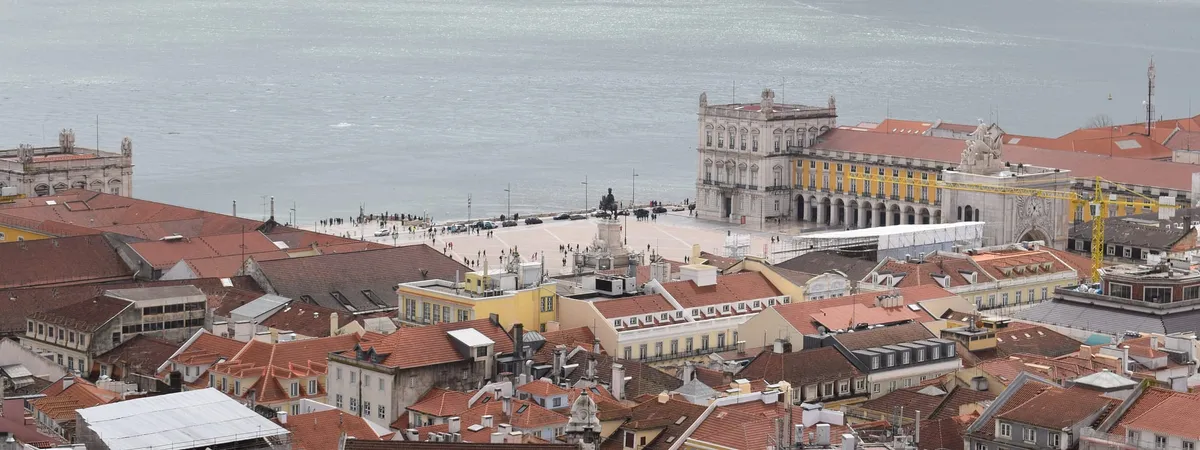
BaixaFirst-time visitorsLisbon's most central, flattest, and easiest-to-navigate base, with three metro stations inside the district.Grand and convenient rather than characterful — it doesn't have Alfama's history or Bairro Alto's nightlife on its own doorstep.
AlfamaCouplesThe most atmospheric, historic base in Lisbon — real fado, castle views, and streets that predate the 1755 earthquake.Steep hills and stairs throughout make it a tougher base for anyone with mobility concerns or heavy luggage.
Bairro AltoNightlifeThe most walkable base for nightlife in Lisbon, with Chiado's shops, cafés, and restaurants right downhill.Weekend nights are genuinely loud outside — a poor fit for light sleepers or anyone wanting an early-to-bed trip.
BelémFamiliesFront-row access to Lisbon's two most famous monuments, plus riverside space and a calmer pace than the historic center.Set apart from Alfama, Baixa, and Bairro Alto — expect a 20-25 minute tram or train ride each way into the old town.

Our picks for Lisbon

A handful of editorial calls across every neighborhood above, not just the highest star rating — see each hotel's own card further down for the full case for and against it.

A couple of hotels in Baixa

Baixa is the top-recommended area to stay in Lisbon.

Hotel da Baixa

★★★★
  • 🏆 Our overall pick
  • 🧭 Best for first-time visitors

Our take A dependable, well-run 4-star in the heart of Baixa's pedestrian grid — spacious rooms for the price, some with genuine castle or river views.

Highlights

  • Steps from Rossio, Praça da Figueira, and the Rua Augusta pedestrian street
  • Some rooms have views toward São Jorge Castle or the Tagus River
  • Rooms run larger than typical for a central Baixa hotel

What to know

  • A larger hotel rather than an intimate boutique property
  • The central location means some street noise drifts up from Baixa's busy pedestrian streets
Check availability on Booking.com

Altis Avenida Hotel

★★★★★
  • ✨ Best luxury
  • 📍 Best location

Our take A polished, full-service 5-star right where Baixa, Chiado, and Avenida da Liberdade meet — the rooftop bar's view over Restauradores and the old town is one of the better ones in central Lisbon.

Highlights

  • Rooftop bar and restaurant with panoramic views over Praça dos Restauradores and Baixa's rooftops
  • Sits exactly where Baixa, Chiado, and Avenida da Liberdade's shopping district meet
  • Full-service, with attentive staff, and a member of Preferred Hotels & Resorts

What to know

  • A large-format luxury hotel rather than an intimate boutique property
  • Rooms facing the square can pick up street noise — ask for a higher or interior room.
Check availability on Booking.com

Useful travel information

Portugal uses the euro. The metro covers the flatter, central neighborhoods well, and historic trams and funiculars help with the hills, but comfortable shoes matter more here than in most cities. Lisbon is generally very safe, though pickpocketing is common on Tram 28, around Rossio Square, and in other crowded tourist spots.

Tips

  • Buy a Viva Viagem card for the metro, trams, and funiculars — it's far cheaper than buying single tickets for each ride.
  • Book Jerónimos Monastery tickets online ahead of time; the line at the door can run over an hour in high season.

Frequently asked questions

Where should first-time visitors stay in Lisbon?
Stay in Baixa, Lisbon's flat, central downtown grid, to be steps from the main squares and an easy walk or metro ride from the rest of central Lisbon.
Is Lisbon walkable?
Yes, but it's hilly. The historic neighborhoods involve real climbing — trams, funiculars, and the metro help, and comfortable shoes make a big difference.