Last updated August 23, 2026

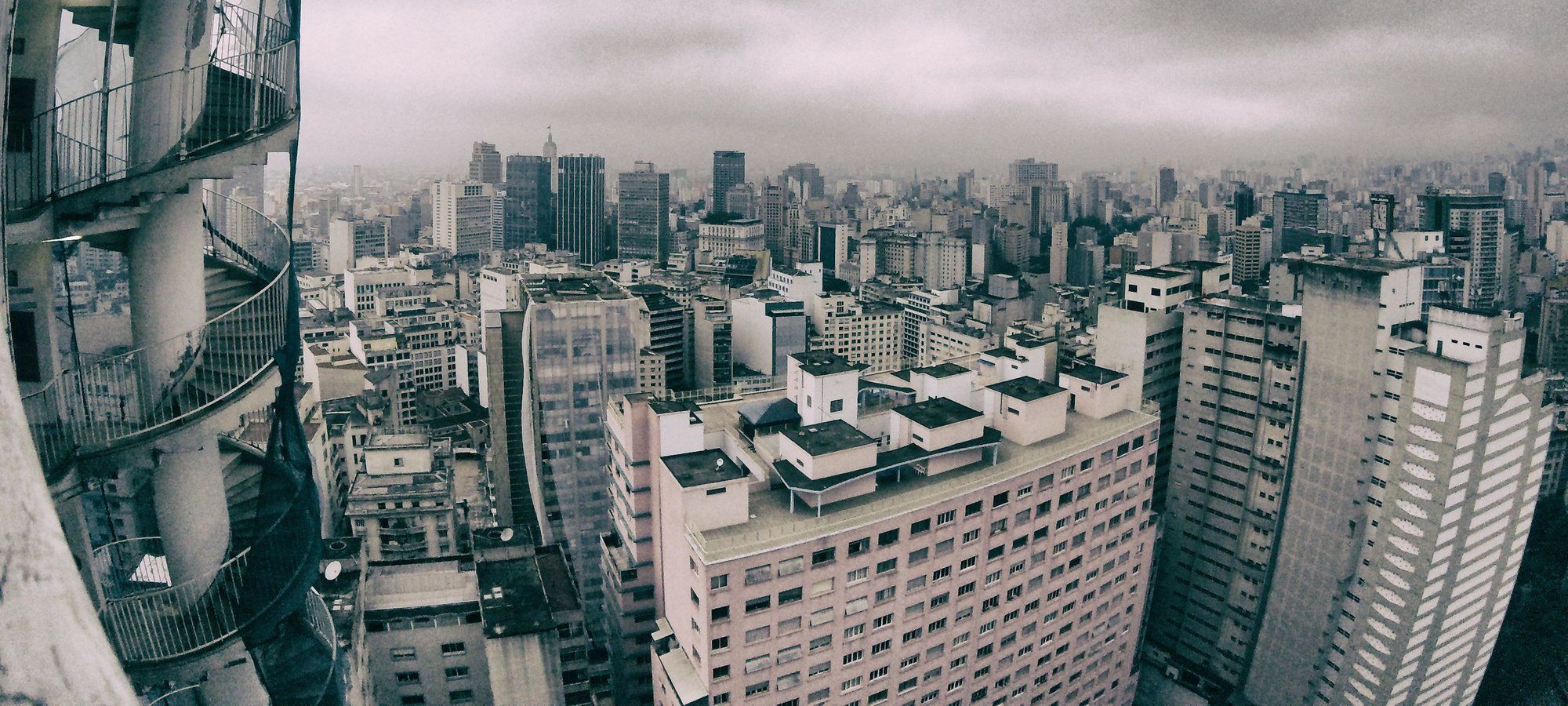
Aerial view over São Paulo's dense downtown skyline from the curved balconies of Edifício Copan

Odair Faléco / Wikimedia Commons, CC0

Brazil

Where to Stay in São Paulo

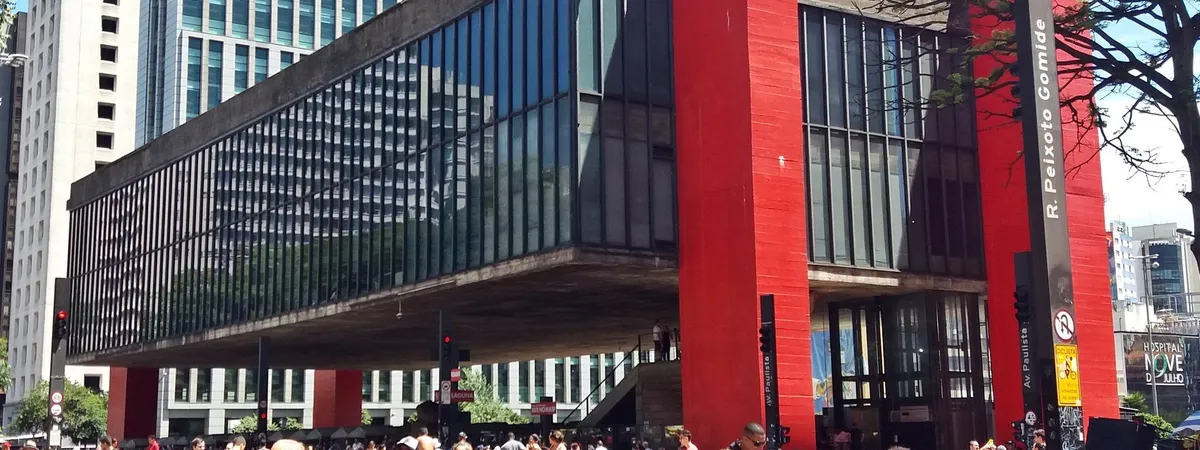
São Paulo is Brazil's largest city and its financial and cultural engine — a dense, sprawling metropolis of tower blocks, world-class restaurants, and one of the largest gallery and museum scenes in Latin America. It doesn't have a single postcard skyline or a beach to sell itself on the way Rio does; instead, the appeal is street-level — a genuinely enormous restaurant scene, design and fashion shopping, and cultural institutions like MASP and the Bienal that draw visitors on their own terms. For a first visit, the areas worth anchoring a stay in cluster tightly around the city's traditional upscale core, rather than the sprawl further out. This guide covers Jardins and Avenida Paulista, two adjoining districts that sit within a few minutes of each other around the Trianon-Masp metro stop. Jardins is the quieter, more residential half — tree-lined streets, boutique shopping on Rua Oscar Freire, and some of the city's best restaurants — while Avenida Paulista itself is the louder, more central spine: MASP, Parque Trianon, and a direct metro line reachable from either area on foot. Basing yourself in either puts you within an easy walk or a one-stop ride of the other, and both connect quickly by metro to the historic center and Ibirapuera Park beyond.

Quick facts

Best time to visit
São Paulo sits at roughly 760 meters of elevation, which keeps its subtropical climate milder than Brazil's coastal cities year-round — there's no real off-season weather-wise. April through September is the drier, cooler stretch, with daytime temperatures typically in the high teens to mid-20s°C (Celsius) and less rain, making it the more comfortable window for walking around. October through March is warmer and more humid, with frequent short, intense afternoon thunderstorms — worth planning around rather than avoiding entirely.
Renting a car
São Paulo's traffic is notoriously heavy, and both areas in this guide sit right on the metro line with everything else in this guide within walking distance of each other. A car adds cost and stress without saving meaningful time — the metro or a rideshare covers the city better.

Where to stay

Compare neighborhoods

AreaBest forAdvantageTrade-off
JardinsFirst-time visitorsSome of São Paulo's best restaurants and boutique shopping sit within an easy walk of most hotels here.No metro station sits directly inside the neighborhood, so reaching sights outside Jardins usually means a 10-20 minute walk or a short rideshare.
Avenida PaulistaFirst-time visitorsThe best metro access of any area in this guide, with MASP and Parque Trianon in easy walking distance.The avenue itself is a busy, noisy traffic artery — worth requesting a room off the avenue side if you're a light sleeper.

Our picks for São Paulo

A handful of editorial calls across every neighborhood above, not just the highest star rating — see each hotel's own card further down for the full case for and against it.

A couple of hotels in Jardins

Jardins is the top-recommended area to stay in São Paulo.

Hotel Fasano São Paulo

★★★★★
  • ✨ Best luxury

Our take Fasano pairs understated, art-deco-influenced design with a genuinely quiet residential setting — a rare combination for a hotel this central, though it comes at a price that puts it out of reach for a budget stay.

Good for

  • Luxury travelers
  • Couples

Couples and travelers who want a polished, design-forward luxury stay within walking distance of Jardins' restaurants and boutique shopping.

Why we like it

  • Sits on a quiet side street in Jardins, a few minutes' walk from Rua Oscar Freire's shops and restaurants.
  • A rooftop pool and full spa give the hotel a genuine resort feel despite its central location.
  • The in-house restaurant is one of the group's flagship dining rooms, popular with locals as well as guests.
  • Rooms lean toward dark wood and leather furnishings rather than a generic international style, giving the hotel a distinct identity.

What to know

  • Rates sit at the top end of what Jardins hotels charge, even by the neighborhood's already high standards.
  • The hotel doesn't sit directly on a metro line, so a short walk or rideshare is needed to reach Avenida Paulista's stations.
Check availability on Booking.com

Renaissance São Paulo Hotel

★★★★★
  • 📍 Best location

Our take The Renaissance's strongest asset is its position — close enough to Avenida Paulista's metro and MASP to work as a base for the whole city, while still sitting on the calmer, more residential Alameda Santos.

Good for

  • Luxury travelers
  • First-time visitors
  • Couples

First-time visitors and couples who want a reliable, full-service international hotel brand within easy reach of both areas covered in this guide.

Why we like it

  • Sits on Alameda Santos, putting Avenida Paulista's metro stations, MASP, and Rua Oscar Freire's shops all within an easy walk.
  • A club lounge and full-service spa are available for travelers who want more amenities than a boutique property typically offers.
  • A consistently large volume of recent reviews gives a clearer, more stable read on guest experience than smaller properties.
  • Standard Marriott Bonvoy loyalty benefits apply, useful for travelers already invested in that program.

What to know

  • As an international chain hotel, it has less local design character than Jardins' boutique or design-forward options.
Check availability on Booking.com

Useful travel information

Brazil uses the real (R$/BRL); cards are accepted almost everywhere in Jardins and around Paulista, though it's worth carrying some cash for smaller vendors and market stalls. Portuguese is the local language — English is spoken at upscale hotels and restaurants but less reliably elsewhere, so a translation app helps. The metro is modern, cheap, and the fastest way to move around during the day; surface traffic is famously heavy, especially on weekday afternoons. A service charge of 10% is standard on restaurant bills and is usually already included — check before adding more.

Tips

  • Use the metro rather than surface streets whenever a station lines up with your route — traffic on avenues like Paulista and Rebouças can turn a 10-minute drive into 40 minutes at rush hour.
  • Book dinner reservations in Jardins a few days ahead for weekends — the neighborhood's best-known restaurants fill up fast with both locals and visitors.
  • MASP's permanent collection is free on Tuesdays, which draws bigger crowds — visiting another weekday morning is usually a calmer experience if you don't mind paying admission.

Frequently asked questions

How many days do I need in São Paulo?
Three to four days is enough to cover Jardins and Avenida Paulista properly, including MASP and a proper restaurant crawl, with a day left over for the historic center or Ibirapuera Park. It also works well as a shorter 1-2 night stopover before heading elsewhere in Brazil.
Is São Paulo safe for tourists?
Jardins and Avenida Paulista are both well-patrolled, well-lit, and among the safer parts of the city, with a visible daytime and evening street presence. As in any large city, standard precautions apply — stay aware in busy areas, especially around transit hubs late at night.
Do I need to speak Portuguese in São Paulo?
It helps but isn't essential in the areas covered here. Hotel staff and higher-end restaurants generally speak some English, though it's far from universal on the street, so a translation app is a genuinely useful backup.