Last updated July 14, 2026

Falk Arnhold / Wikimedia Commons, CC BY-SA 4.0
Europe
Austria Travel Guide
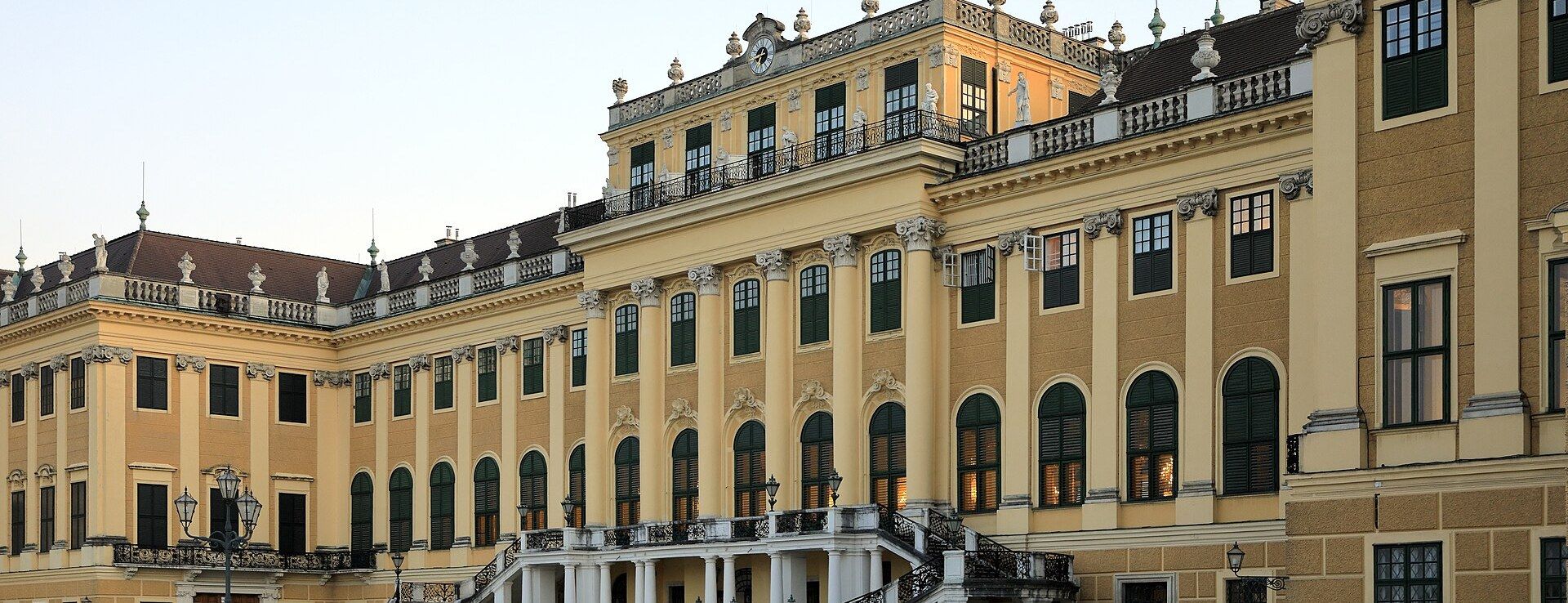
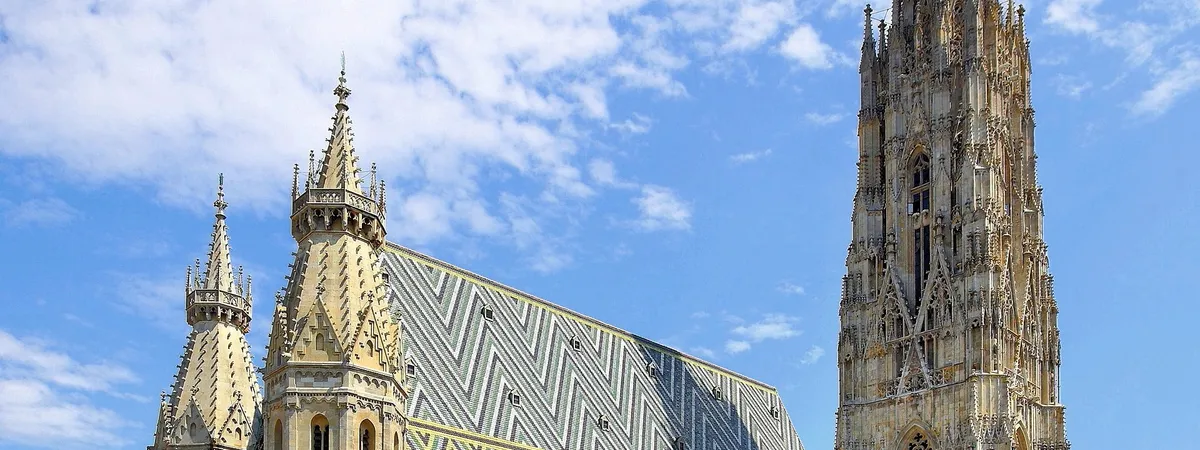
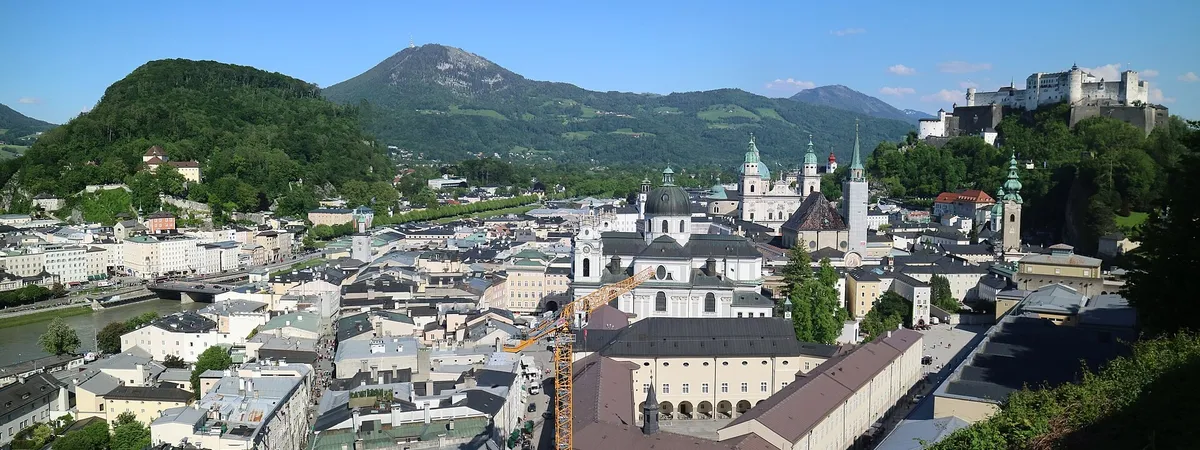
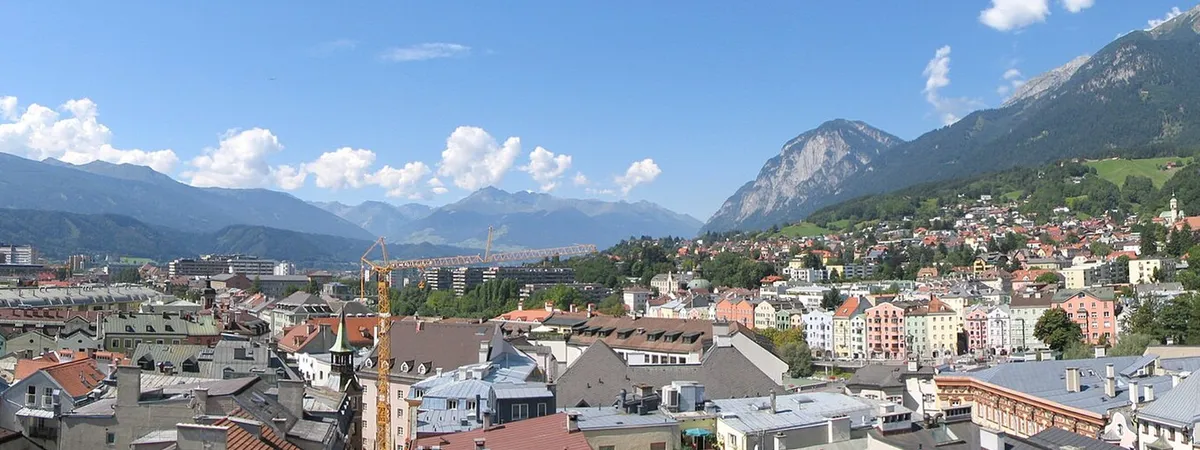
Austria pairs grand imperial cities with some of the most dramatic alpine scenery in Europe, often just a short train ride apart. Vienna, the capital, spent centuries as the seat of the Habsburg Empire and still shows it, in palace grounds, coffeehouses, and a compact old town built for walking. Salzburg trades palaces for a baroque old town wedged between two hills, best known as Mozart's birthplace. Innsbruck sits directly under the Alps, with cable cars lifting visitors from the old town to the mountains in minutes.
Quick facts
- Flag
- Austria
- Capital
- Vienna
- Language
- German
- Currency
- EUR (€)
- Timezone
- Central European Time (UTC+1, UTC+2 in summer)
- Calling code
- +43
- Driving side
- Right-hand side
Five of Austria's most-visited destinations stand out — Vienna, Salzburg, Innsbruck, Graz, and the lakeside village of Hallstatt — each with its own pace, from Vienna's museum-lined boulevards to Hallstatt's postcard lake view.
Planning your trip
- Best time to visit
- Aim for May, June, or September. Days are mild and long, and the cities and mountain towns are noticeably calmer than in July and August, when the heaviest crowds and highest prices hit. December has its own draw for Vienna's and Salzburg's Christmas markets, though expect cold weather and short daylight hours. Winter (December–March) is peak season in the Alps around Innsbruck for skiing.
- Good to know
- Austria uses the euro (€). English is widely spoken in hotels, restaurants, and shops in all the main tourist cities, though less so in smaller towns. Trains connect the cities quickly and reliably — Vienna to Salzburg is about 2.5 hours, Salzburg to Hallstatt roughly 2 hours including a change at Attnang-Puchheim and a short ferry crossing into the village. Tipping isn't obligatory, but rounding up the bill or adding roughly 5-10% at restaurants is standard.
Cities
Where to stay in each of Austria's cities — pick one below to see its best neighborhoods and hotels.
C.Stadler/Bwag / Wikimedia Commons, CC BY-SA 4.0
Vienna
Best for: First-time visitors, Couples, Architecture lovers, Luxury travelers
Clemens Stockner / Wikimedia Commons, CC BY-SA 4.0
Salzburg
Best for: First-time visitors, Couples, Families, Architecture lovers
Pahu / Wikimedia Commons, CC BY-SA 3.0
Innsbruck
Best for: First-time visitors, Couples, Families, Architecture lovers
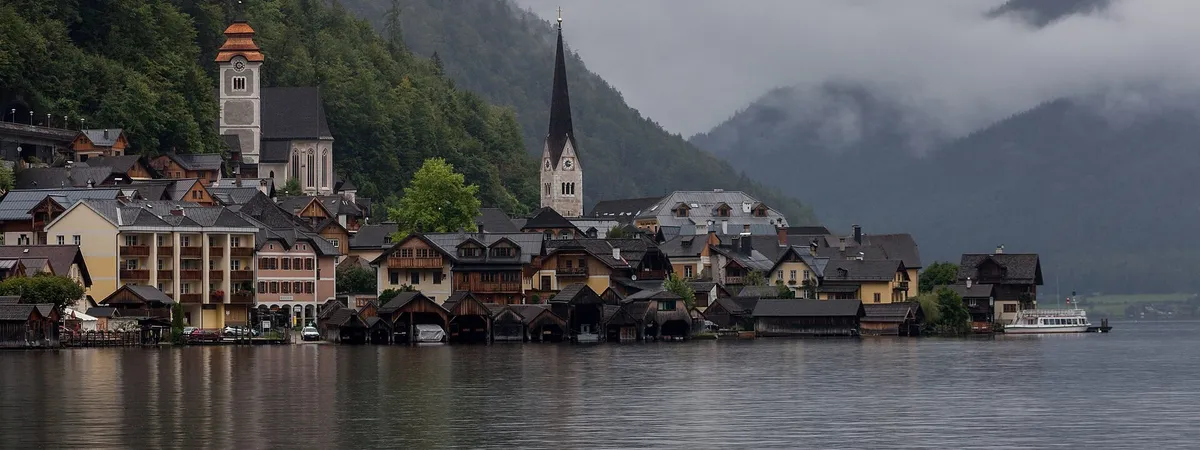
Marco Almbauer (A,Ocram) / Wikimedia Commons, CC BY-SA 4.0
Hallstatt
Best for: First-time visitors, Couples, Architecture lovers, Families
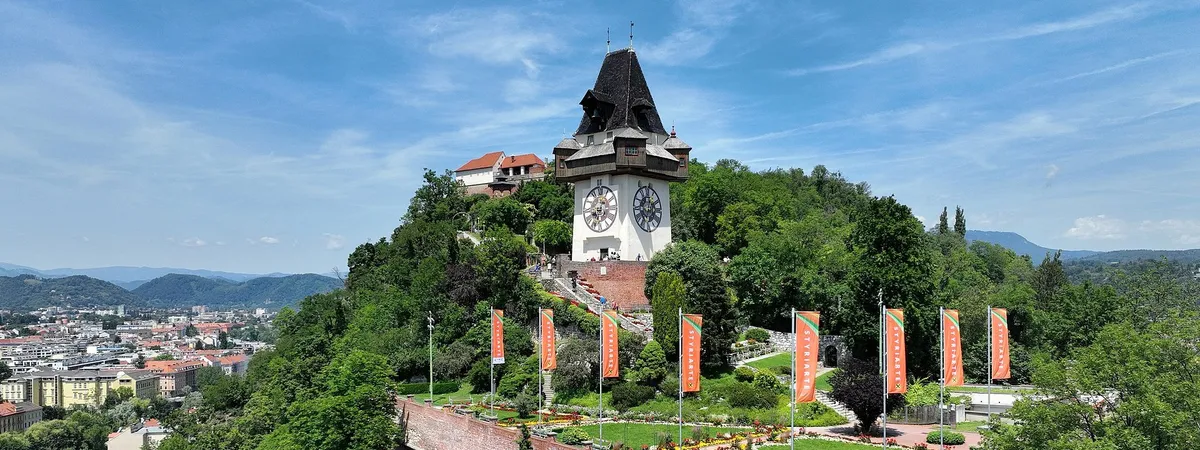
C.Stadler/Bwag / Wikimedia Commons, CC BY-SA 4.0
Graz
Best for: First-time visitors, Couples, Architecture lovers
Tips
- Book Hallstatt day-trip transport (train plus ferry, or a direct bus) ahead in summer — the village limits tour bus access and the lakeside can get very crowded by mid-morning.
- A Vienna Card or Salzburg Card can be worth it if you're visiting several paid sights in a short stay — both bundle public transport with museum and attraction discounts.
- Pack layers even in summer — evenings in the Alps around Innsbruck and Salzburg cool down noticeably after sunset.
Good to know
- Vienna's historic center, including the Hofburg Palace and St. Stephen's Cathedral, is a UNESCO World Heritage Site.
- Hallstatt's lakeside old town is also UNESCO-listed, as part of the Hallstatt-Dachstein/Salzkammergut Cultural Landscape.
- Austria welcomed around 32.2 million international tourist arrivals in 2024, a record year, according to Statistics Austria.
Frequently asked questions
- How many days do I need in Austria?
- A week gives you a solid first trip: 2-3 days in Vienna, a day or two in Salzburg with a Hallstatt day trip, and 1-2 days in Innsbruck for the mountains. Each city also works well as a shorter standalone trip.
- Do I need to speak German to visit?
- No. English is spoken widely in hotels, restaurants, and shops across Vienna, Salzburg, Innsbruck, and Graz — a few German phrases are appreciated but not necessary.
- Is Austria expensive to visit?
- Vienna and Salzburg are comparable to other major Western European capitals — not cheap, but not the most expensive either. Innsbruck and Graz run a little less, though prices climb in the Alps during ski season.