Last updated July 8, 2026
Manishprabhune / Wikimedia Commons, CC BY-SA 4.0
Asia
Japan Travel Guide
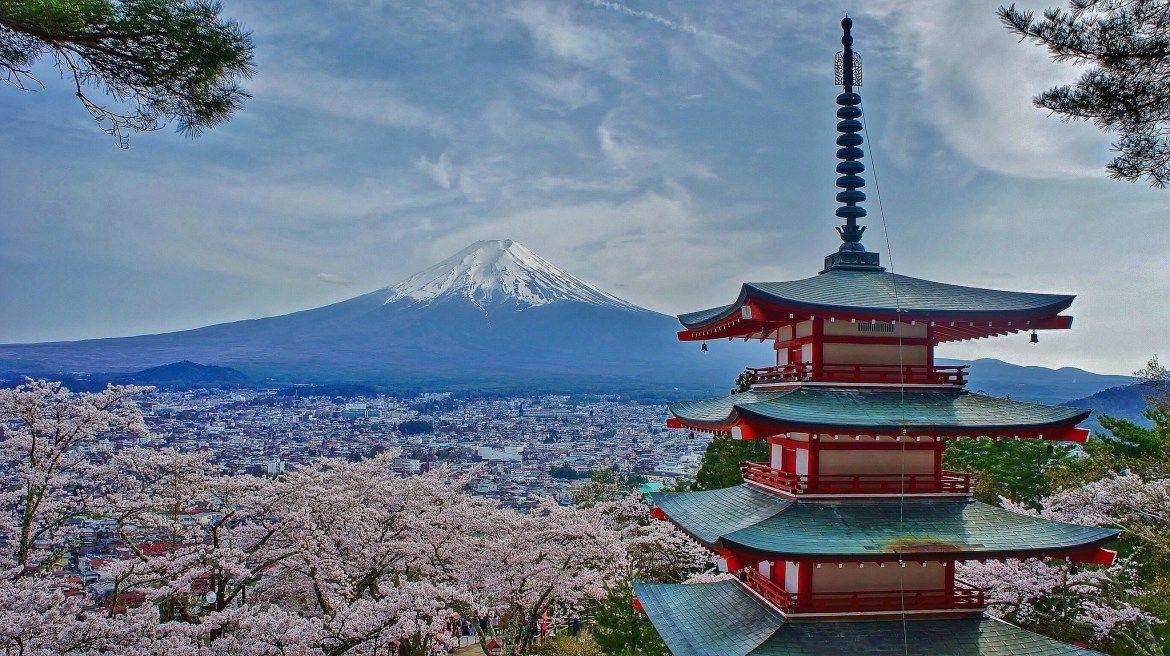
Japan runs on contrast: glass-and-neon cities sit a few train stops from wooden temples, and a bullet train can carry you from a hyper-modern skyline to a centuries-old capital in under three hours. It's an easy country to visit as a first-timer — trains run on time, streets are clean and safe, and convenience stores sell surprisingly good food around the clock — while still feeling unmistakably its own.
Quick facts
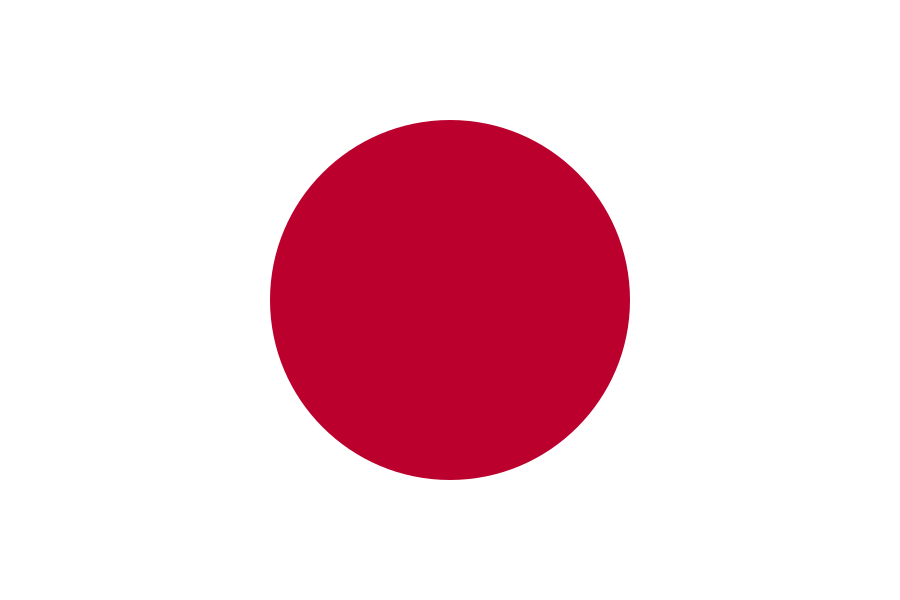
- Flag
- Japan
- Capital
- Tokyo
- Language
- Japanese
- Currency
- JPY (¥)
- Timezone
- Japan Standard Time (UTC+9, no daylight saving)
- Calling code
- +81
- Driving side
- Left-hand side
Most first trips center on Tokyo, Kyoto, and Osaka, the three cities most first-time visitors build a trip around, plus Hiroshima and Nara as the classic add-ons for travelers with more time.
Planning your trip
- Best time to visit
- Aim for spring (late March–April) for cherry blossoms or fall (October–November) for autumn foliage — both bring mild weather and Japan's most photogenic scenery, along with the biggest crowds. Summer (June–August) is hot, humid, and includes a rainy season in June; winter is cold but far less crowded and good for skiing in the north or hot springs anywhere.
- Good to know
- Japan uses the yen (¥), and while cards are widely accepted in cities, smaller shops, older restaurants, and rural areas can still be cash-only — carry some yen. A rechargeable IC card (Suica or Pasmo) covers trains, subways, and buses nationwide and can be loaded and used straight from most smartphones. Tipping isn't practiced anywhere in Japan and can come across as confusing rather than generous — good service is simply the standard.
Cities
Where to stay in each of Japan's cities — pick one below to see its best neighborhoods and hotels.
David Kernan / Wikimedia Commons, CC BY 4.0
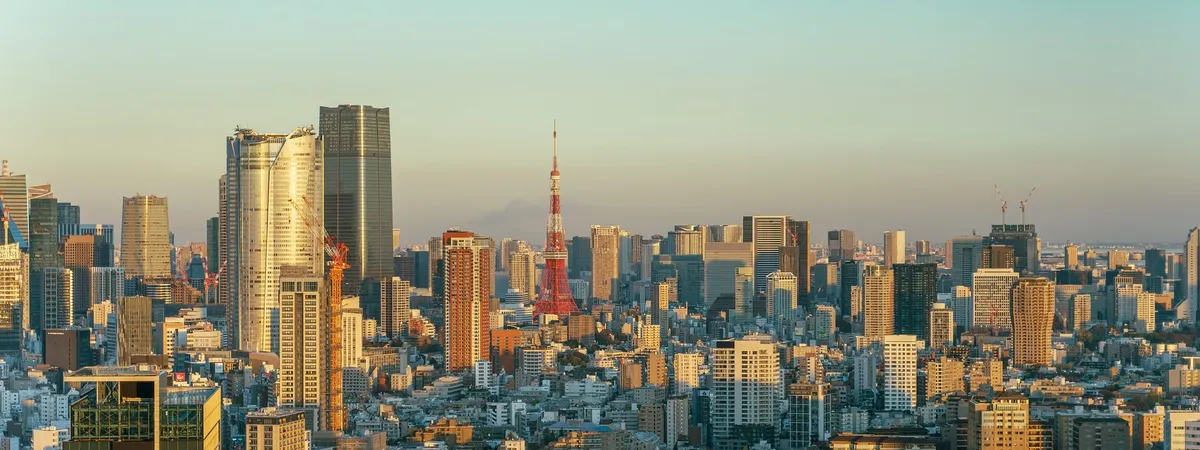
Tokyo
Best for: First-time visitors, Architecture lovers, Nightlife, Families
663highland / Wikimedia Commons, CC BY 2.5
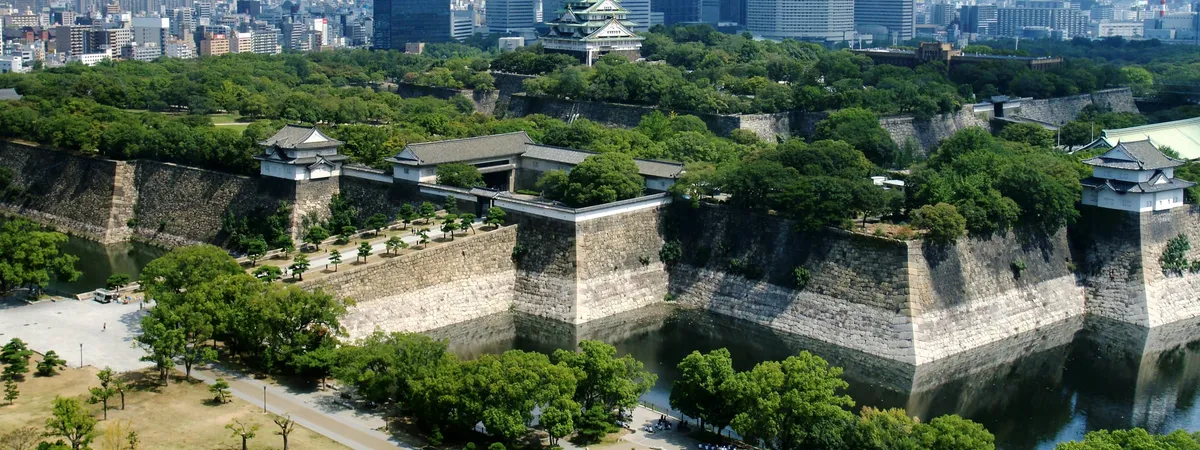
Osaka
Best for: First-time visitors, Nightlife, Families, Budget travelers
Dmitrij Rodionov / Wikimedia Commons, CC BY-SA 4.0
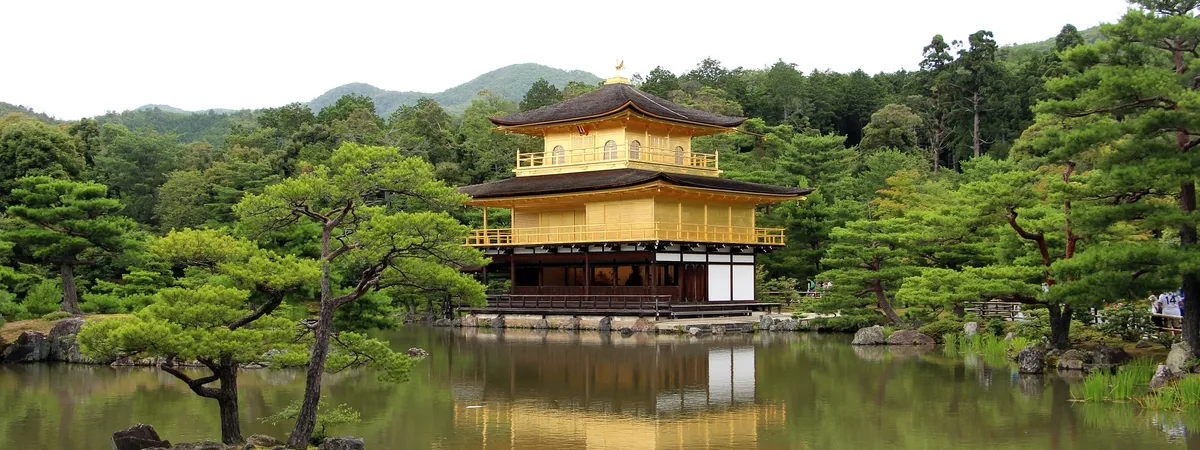
Kyoto
Best for: First-time visitors, Couples, Architecture lovers
Mstyslav Chernov/Unframe / Wikimedia Commons, CC BY-SA 3.0
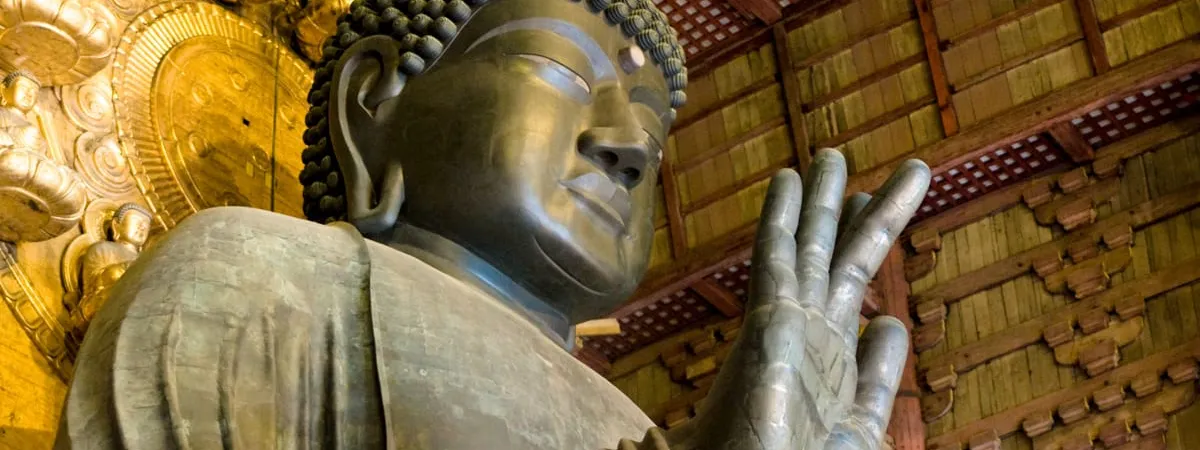
Nara
Best for: Families, First-time visitors, Budget travelers
DXR / Wikimedia Commons, CC BY-SA 4.0
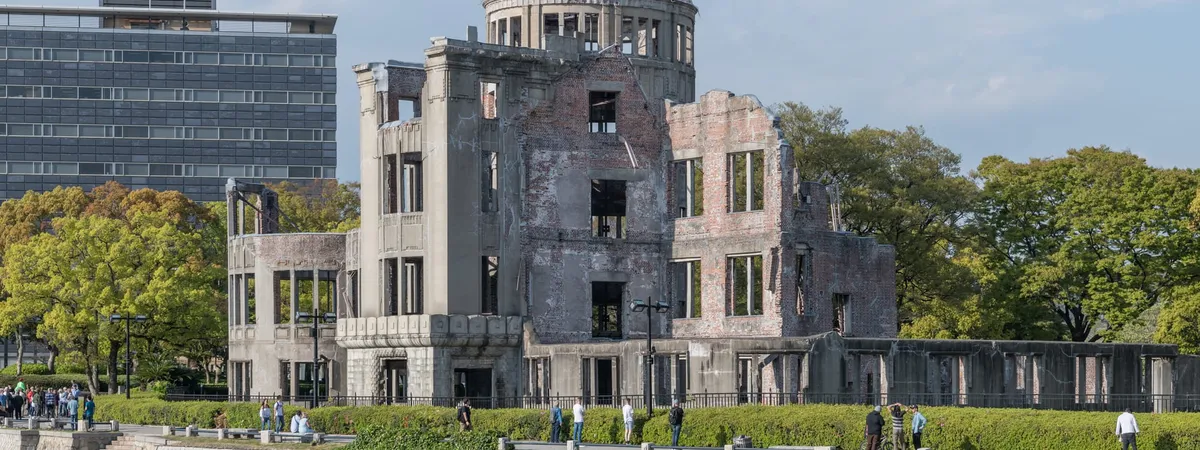
Hiroshima
Best for: First-time visitors, Architecture lovers, Budget travelers
Tips
- Get an IC card (Suica or Pasmo) as soon as you land — it works on almost every train, subway, and bus in the country and saves you from figuring out fares at every station.
- If you're visiting multiple cities, price out a Japan Rail Pass against individual Shinkansen tickets before you go — it's not always the cheaper option since a 2023 price increase, but it can still pay off on a longer, multi-city itinerary.
- Convenience stores (konbini) like 7-Eleven, FamilyMart, and Lawson sell genuinely good, cheap food around the clock — a reliable option for a fast breakfast or a late-night meal.
Good to know
- Japan has 27 UNESCO World Heritage Sites, including Mount Fuji, Himeji Castle, and the historic monuments of ancient Kyoto.
- The Shinkansen (bullet train) network has run since 1964 and connects Tokyo to Osaka, Kyoto, and Hiroshima at speeds up to around 300 km/h — the fastest Shinkansen lines, which top out around 320 km/h, run on other routes further north.
- Japan recorded a record 42.7 million international visitors in 2025, according to the Japan National Tourism Organization — about 10 million more than its pre-pandemic 2019 total.
Frequently asked questions
- Do I need cash in Japan?
- Carry some. Cards and IC cards cover most cities, but smaller restaurants, temples, and rural shops can still be cash-only, and ATMs at convenience stores reliably accept foreign cards.
- What's the best way to travel between Japanese cities?
- Take the Shinkansen. It's fast, punctual, and drops you in the city center — Tokyo to Kyoto takes about two and a quarter hours, and Kyoto to Osaka just 15 minutes.
- Is Japan expensive to visit?
- It's more affordable than many visitors expect, especially outside peak season — accommodation, food, and transport in cities like Osaka and Kyoto are often cheaper than in comparable Western European capitals.