Last updated August 25, 2026
NonOmnisMoriar / Wikimedia Commons, CC BY-SA 3.0
Europe
France Travel Guide
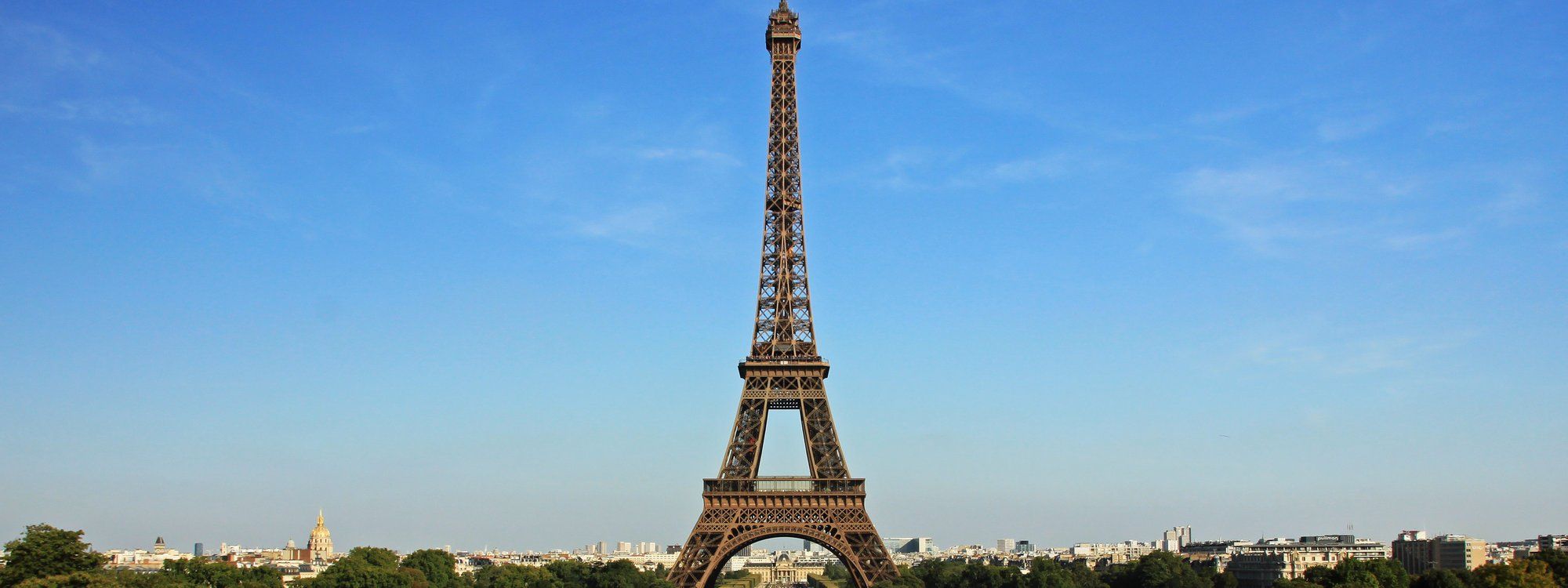
France is the world's most visited country, and it's easy to see why: one nation holds the Eiffel Tower and the Louvre, the beaches and film-festival glamour of the Riviera, the vineyards of Bordeaux, and half-timbered Alsatian towns near the German border. Paris, the capital, is the natural starting point for most visitors — a compact, walkable city built around the Seine, dense with world-famous museums, grand boulevards, and neighborhood cafes on almost every corner.
Quick facts
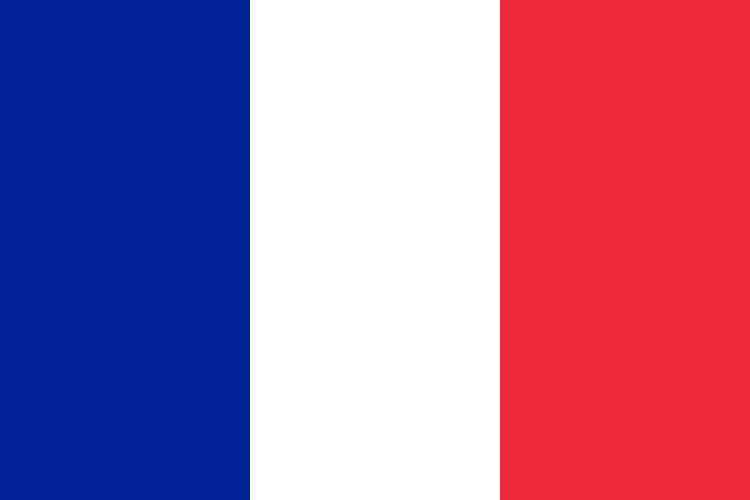
- Flag
- France
- Capital
- Paris
- Language
- French
- Currency
- EUR (€)
- Timezone
- Central European Time (UTC+1, UTC+2 in summer)
- Calling code
- +33
- Driving side
- Right-hand side
Beyond Paris, the country rewards spreading out. Nice and the French Riviera offer Mediterranean beaches and pastel-colored old towns; Lyon is France's food capital, with a UNESCO-listed old quarter to match; Marseille brings a grittier, sun-bleached port-city energy; Bordeaux pairs an elegant 18th-century center with the vineyards just outside it; and Strasbourg, right on the Rhine, feels as much German as French. France's high-speed TGV trains make hopping between most of these cities a matter of a few hours, not a full day of travel. Most first trips start in Paris.
Planning your trip
- Best time to visit
- April through June and September through October are the sweet spot — mild weather, blooming gardens or turning leaves, and smaller crowds than peak summer. July and August are the busiest and most expensive months, especially on the Riviera and in Paris, and also when many French people take their own vacation — some small restaurants and shops, particularly in Paris, close for part of August. Winter is quiet and cold outside the south, though Strasbourg's Christmas market and Alpine ski towns are a draw of their own.
- Good to know
- France uses the euro (€). French is the everyday language, and while English is common in hotels and major tourist sites, it's less universal than in, say, the Netherlands — a few basic French phrases (starting with a simple "Bonjour" on entering any shop) go a long way and are genuinely appreciated. The high-speed TGV network connects Paris to most major cities in two to four hours, making a rental car unnecessary for a multi-city trip; a car becomes more useful for rural regions like wine country or the Alps, where trains run less often. A service charge is already included in restaurant bills by law, so tipping is never required — rounding up or leaving a few euros for good service is a nice gesture, not an obligation.
Cities
Where to stay in each of France's cities — pick one below to see its best neighborhoods and hotels.
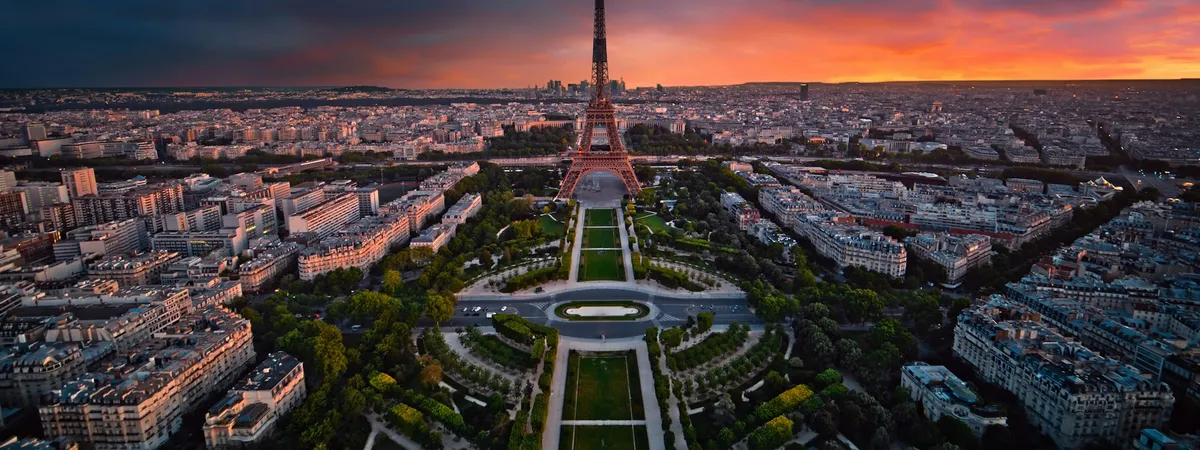
Paris
Best for: First-time visitors, Couples, Architecture lovers, Luxury travelers, Nightlife
Patrick Despoix / Wikimedia Commons, CC BY-SA 4.0
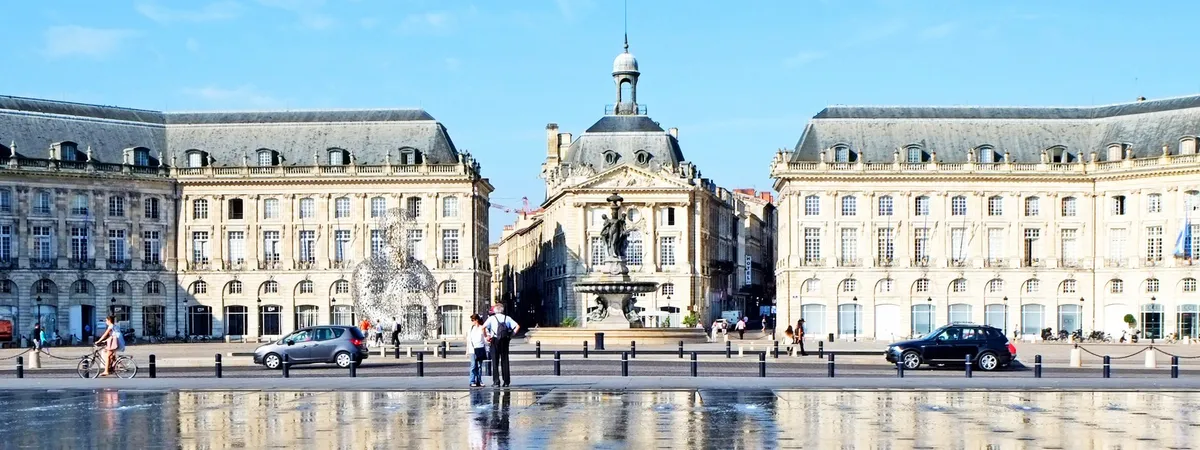
Bordeaux
Best for: First-time visitors, Couples, Architecture lovers, Budget travelers
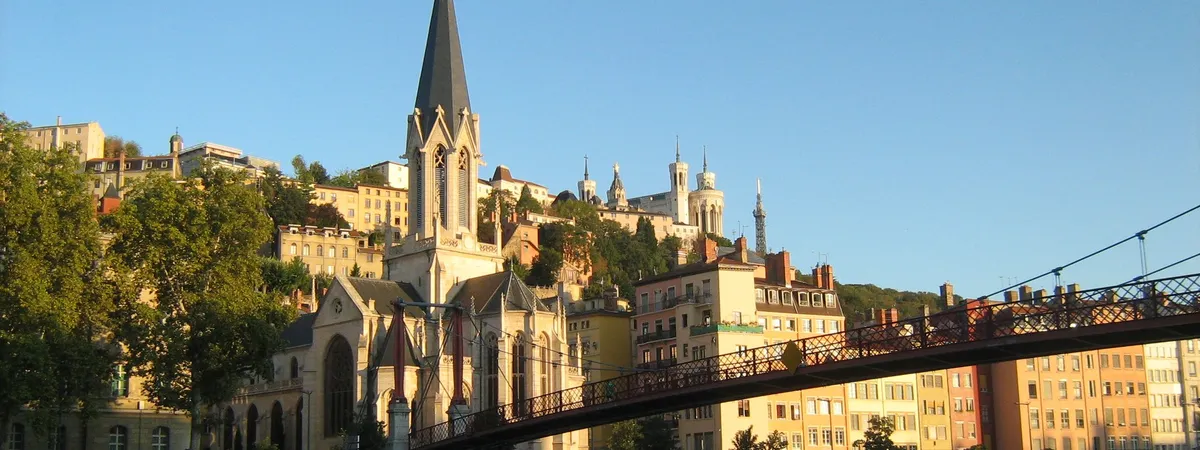
Pucesurvitaminee / Wikimedia Commons, CC BY-SA 3.0
Lyon
Best for: First-time visitors, Couples, Architecture lovers
Tobi 87 / Wikimedia Commons, CC BY-SA 3.0
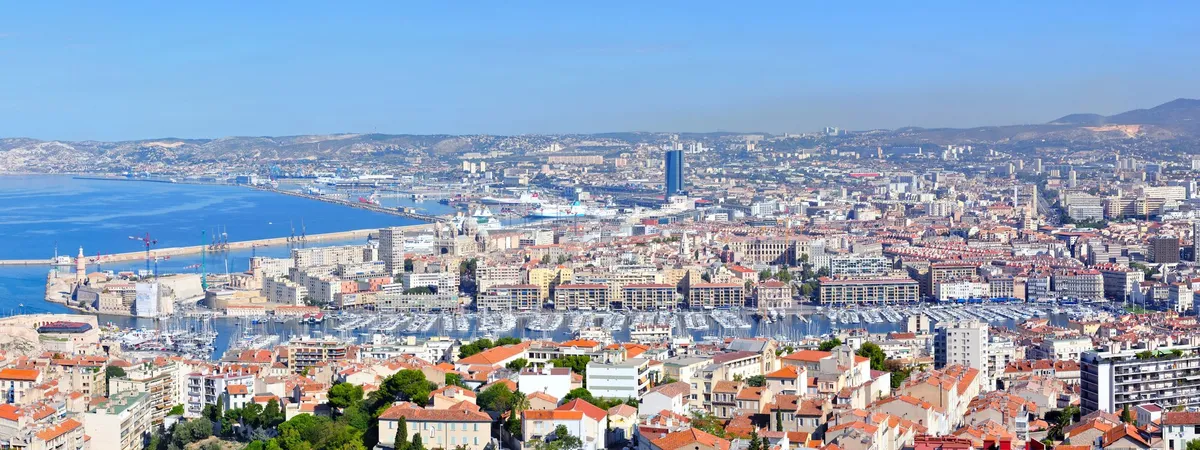
Marseille
Best for: First-time visitors, Budget travelers, Architecture lovers, Beach time
Spike / Wikimedia Commons, CC BY-SA 4.0
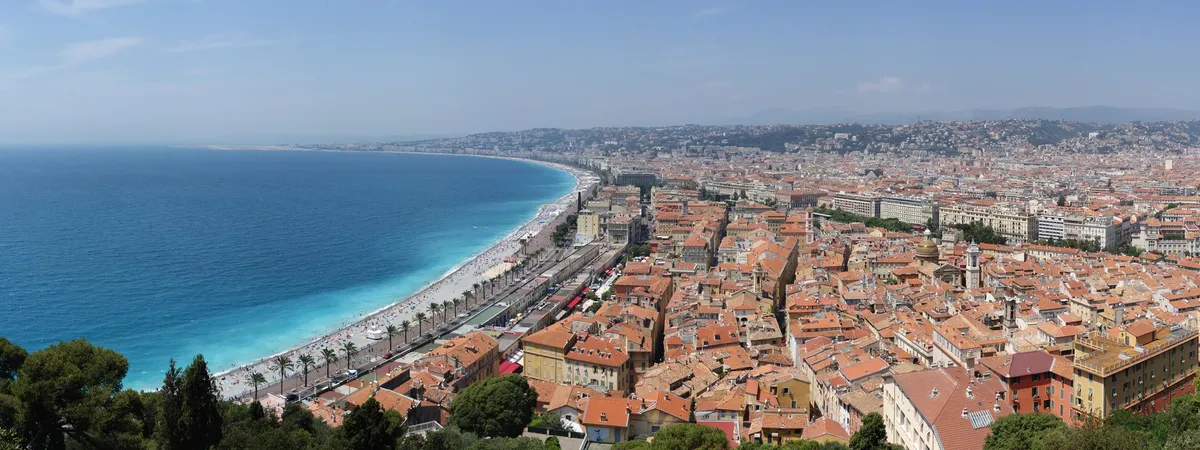
Nice
Best for: First-time visitors, Couples, Architecture lovers, Beach time, Luxury travelers
Gzen92 / Wikimedia Commons, CC BY-SA 4.0
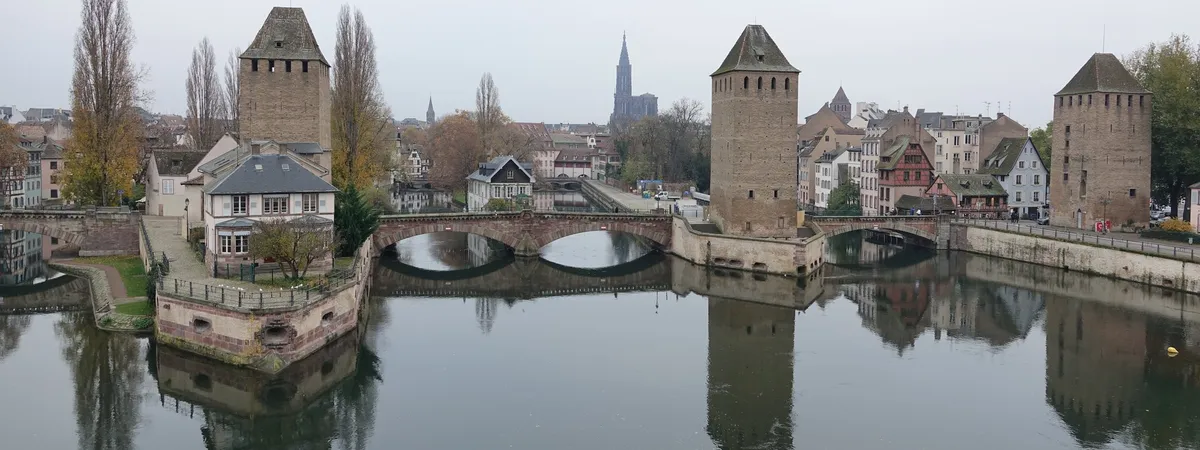
Strasbourg
Best for: First-time visitors, Couples, Architecture lovers
Tips
- Greet shopkeepers, waiters, and hotel staff with a simple "Bonjour" (or "Bonsoir" in the evening) before asking anything, even in English. Skipping it can come across as brusque, and it's a small habit that noticeably warms up service.
- Book major sights — the Louvre, the Eiffel Tower, the Palace of Versailles — online and ahead of time. All three routinely sell out same-day tickets, especially from spring through summer.
- If traveling in August, check opening hours before counting on a specific restaurant or small shop — many independent businesses, particularly in Paris, close for two to four weeks while owners take their own summer holiday.
Good to know
- France was the world's most visited country in 2025, with roughly 102 million international arrivals — a title it has held for more than three decades.
- The Louvre in Paris is the world's most-visited museum, drawing several million more visitors a year than any other.
- France's TGV high-speed rail network, launched in 1981, connects Paris to Lyon, Marseille, Bordeaux, and Strasbourg in roughly two to four hours each.
Frequently asked questions
- What's the best way to get around France?
- High-speed TGV trains connect all the major cities quickly and comfortably, and city centers are generally easy to cover on foot, by metro, or by tram once you've arrived.
- Do I need to speak French to visit?
- No, but it helps. English is common at hotels, airports, and major tourist sites, though less so in everyday shops and restaurants — a few basic French pleasantries make interactions noticeably smoother.
- Is France expensive to visit?
- It's a mid-to-high-cost destination by European standards. Paris and the French Riviera run the most expensive; cities like Lyon, Marseille, and Strasbourg are comparatively more affordable.