Last updated August 6, 2026

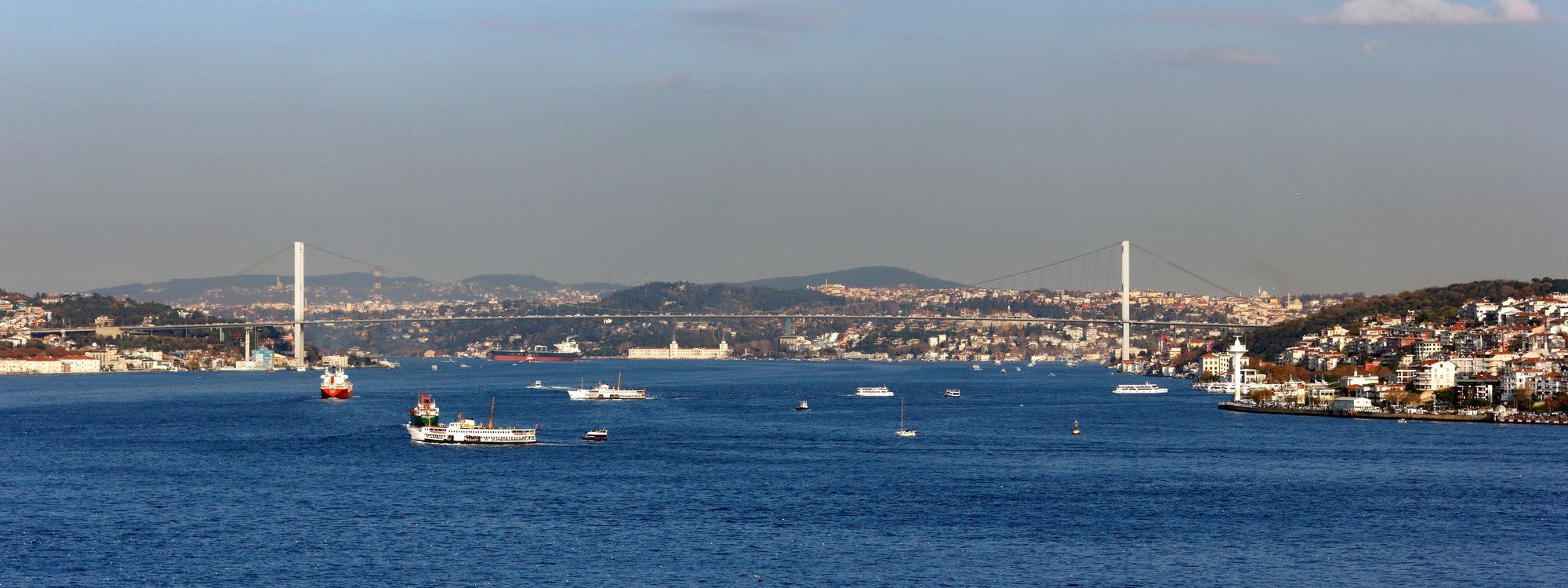
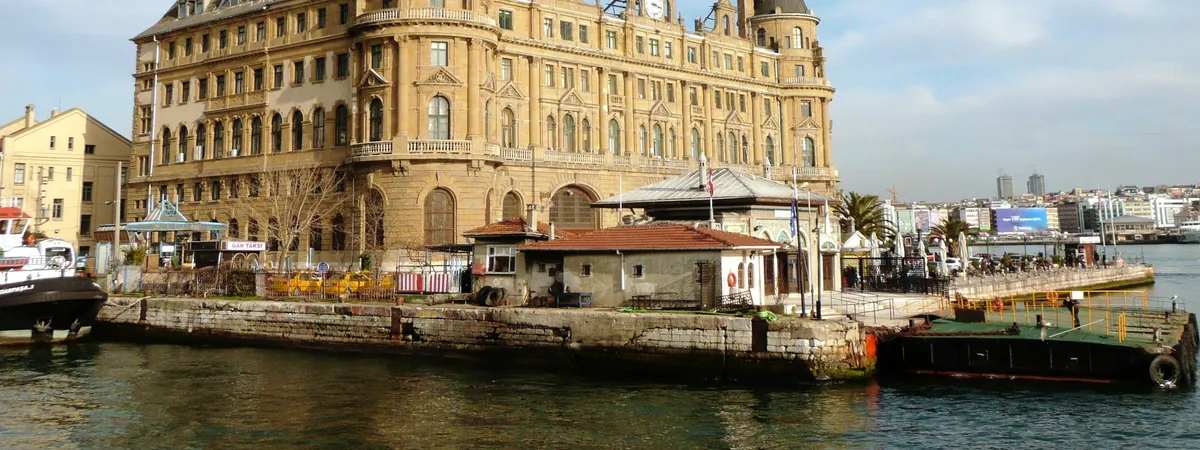
The Bosphorus Bridge connecting Europe and Asia, seen from the water with ferries crossing the strait and Istanbul's hillside neighborhoods on both shores

Alexxx1979 / Wikimedia Commons, CC BY-SA 4.0

Turkey

Where to Stay in Istanbul

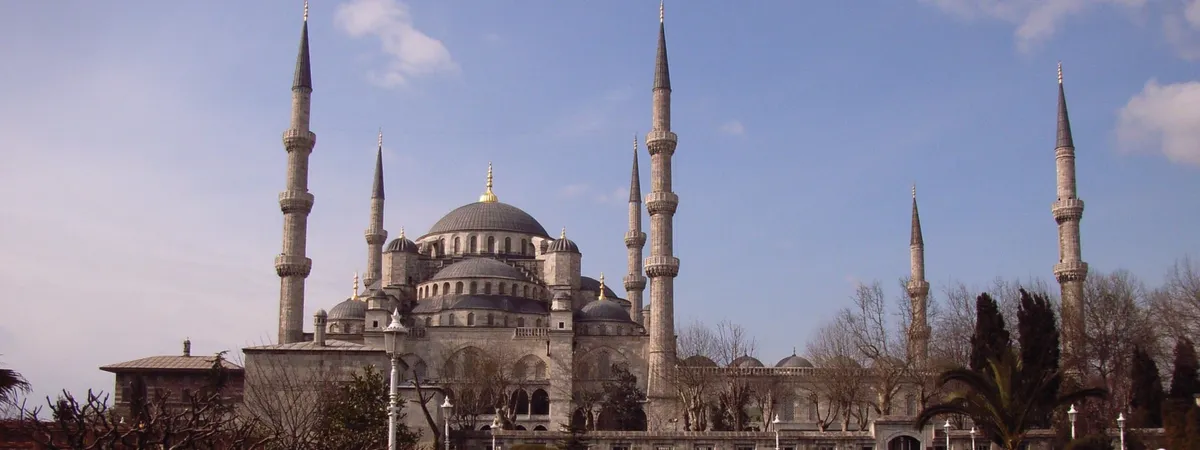
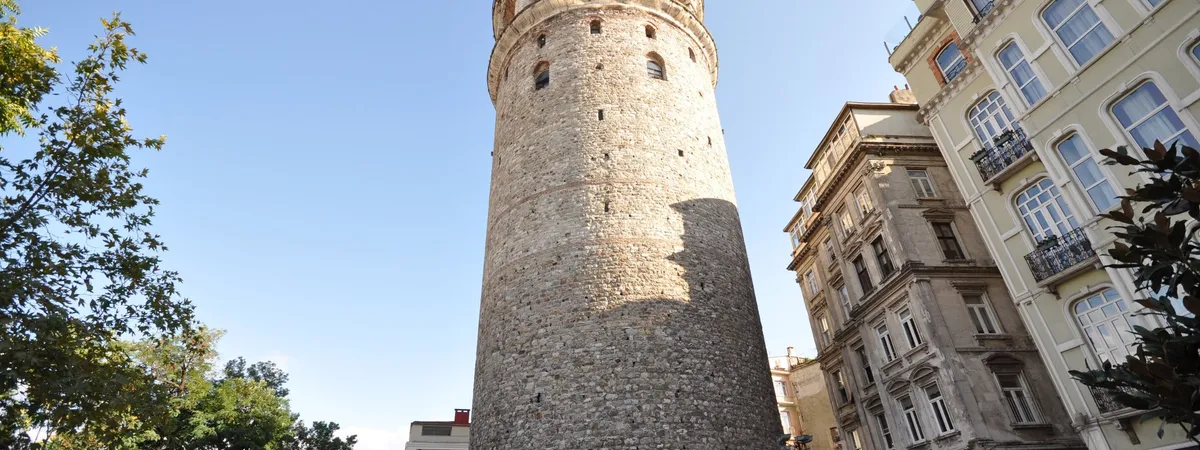
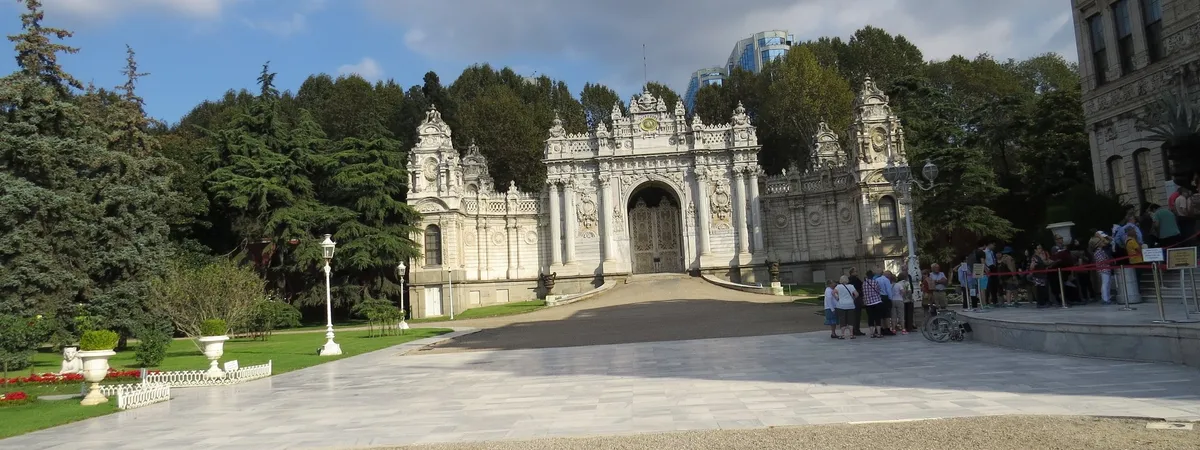
Istanbul is the only major city in the world split across two continents, with the Bosphorus strait dividing its European and Asian sides. Nearly all first-time visitors base themselves on the European side, where more than two thousand years of Roman, Byzantine, and Ottoman history sit within a few kilometers of each other: the domes and minarets of Sultanahmet's Hagia Sophia, Blue Mosque, and Topkapı Palace; the steep lanes and nightlife of Beyoğlu and Galata across the Golden Horn; and the palaces and Bosphorus waterfront of Beşiktaş further north. Kadıköy, on the Asian side, is a short ferry ride away and shows a different, more local Istanbul — no major sights, but the city's best food and nightlife scene outside the tourist core.

Quick facts

Best time to visit
Visit in April–May or September–October for mild weather and thinner crowds. July and August are hot and heavily booked; winter is quiet and cheap but grey, with occasional rain.
Renting a car
Skip the rental car. Istanbul's traffic is some of the worst of any major city, parking in the historic core is scarce, and the tram, metro, and ferry network covers the central neighborhoods faster and far more cheaply.

Where to stay

Compare neighborhoods

AreaBest forAdvantageTrade-off
SultanahmetFirst-time visitorsThe highest concentration of major historic sights in the city, all within walking distance of each other.Touristy and quiet at night — go to Beyoğlu or Kadıköy for nightlife.
Beyoğlu & GalataNightlifeThe best concentration of bars, restaurants, and nightlife within walking distance of anywhere in Istanbul.Can be loud at night, especially on weekends — light sleepers should choose a room off the main streets.
BeşiktaşLuxury travelersThe city's biggest concentration of Bosphorus-front five-star hotels, with genuine waterfront views.Not on the tram line — reaching Sultanahmet or İstiklal Street means a bus, ferry, or taxi rather than a short walk.
KadıköyNightlifeIstanbul's most genuine local food and nightlife scene, at noticeably lower prices than the European side's tourist core.No major sights of its own, and everything on the European side is a ferry ride away rather than a walk.

Our picks for Istanbul

A handful of editorial calls across every neighborhood above, not just the highest star rating — see each hotel's own card further down for the full case for and against it.

A couple of hotels in Sultanahmet

Sultanahmet is the top-recommended area to stay in Istanbul.

Hotel Ibrahim Pasha

★★★★
  • 🏆 Our overall pick
  • 🏛️ Best for architecture & design

Our take The standout small hotel in Sultanahmet — a genuinely charming converted townhouse with a rooftop terrace looking straight at the Blue Mosque, at a price well below what the location would suggest.

Highlights

  • Steps from the Hippodrome, the Blue Mosque, and Hagia Sophia
  • Rooftop terrace and library, both with wood-burning fireplaces in winter
  • Individually decorated rooms in a converted 19th-century townhouse rather than a generic hotel build

What to know

  • A small property, so it books out well in advance in high season
  • As a converted historic building, room sizes and layouts vary — some are compact
Check availability on Booking.com

Hotel Arcadia Blue Istanbul

★★★★
  • 💰 Best value

Our take A dependable, well-located choice in Sultanahmet — the rooftop view over the Blue Mosque and the Marmara Sea is the highlight, and rates run lower than the area's boutique hotels for a comparable location.

Highlights

  • Rooftop restaurant with views toward the Blue Mosque and the Marmara Sea
  • About 300 meters from the Sultanahmet tram stop
  • Walking distance to the Blue Mosque, Hagia Sophia, and the Grand Bazaar

What to know

  • A larger, more conventional hotel building than Sultanahmet's boutique townhouse conversions
  • Street-facing rooms on lower floors can pick up some daytime foot-traffic noise
Check availability on Booking.com

Useful travel information

Turkey uses the Turkish lira. Istanbul's trams, metro, funicular, and ferries all run on the same rechargeable Istanbulkart, sold at station kiosks and machines — buy one on arrival rather than single tickets. Ferries across the Bosphorus and Golden Horn are cheap, fast, and often the most scenic way to move between areas. Traffic is heavy for most of the day, so cross-town taxis can take far longer than the map suggests.

Tips

  • Buy an Istanbulkart at the airport or any metro station on arrival — it works on every form of public transport, including the Bosphorus ferries, and each ride costs a fraction of a single paper ticket.
  • Book timed-entry tickets for Hagia Sophia and Topkapı Palace online in advance in high season — the walk-up lines in Sultanahmet can run over an hour.
  • Take a public ferry across the Bosphorus or to Kadıköy at sunset for one of the best views of the city skyline, for the price of a single Istanbulkart fare.

Frequently asked questions

Where should first-time visitors stay in Istanbul?
Stay in Sultanahmet to be within walking distance of Hagia Sophia, the Blue Mosque, Topkapı Palace, and the Grand Bazaar — it's the most convenient base for a first visit, though it quiets down early at night.
Is Istanbul walkable?
Individual areas like Sultanahmet, Beyoğlu, and Kadıköy are walkable on their own, but the city as a whole is large and hilly, and areas are separated by water. Trams, the metro, and ferries connect them quickly and cheaply.
How many days do I need in Istanbul?
Four to five days covers Sultanahmet's major sights, a walk through Beyoğlu and Galata, and time on the Bosphorus or in Kadıköy. Add a day or two if you want to slow down or take a day trip along the Bosphorus.