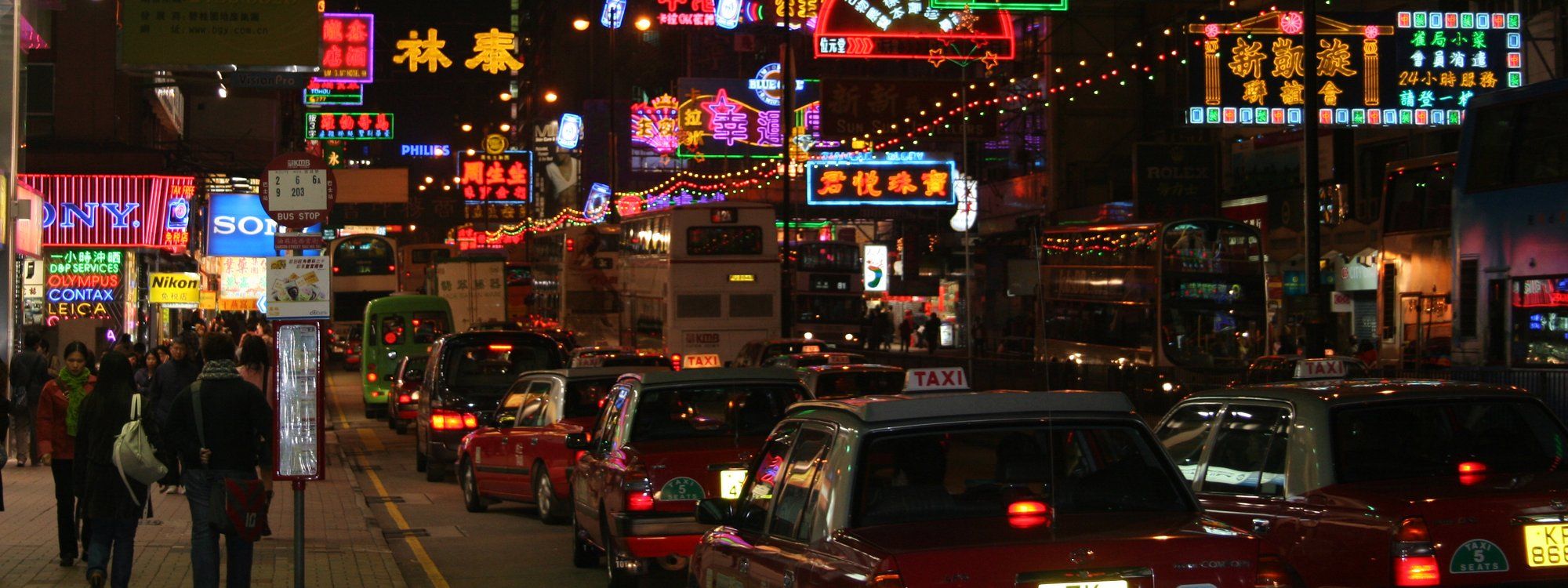
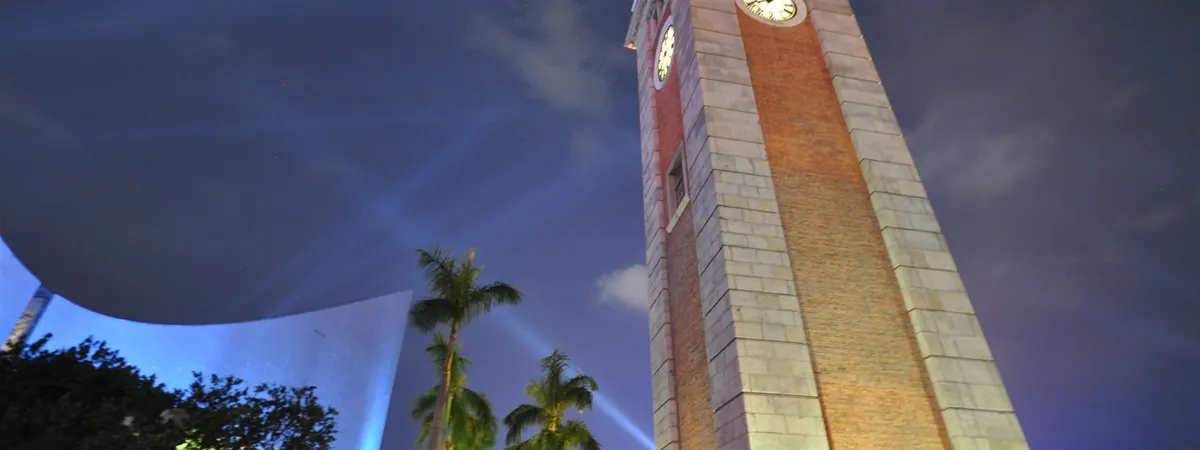
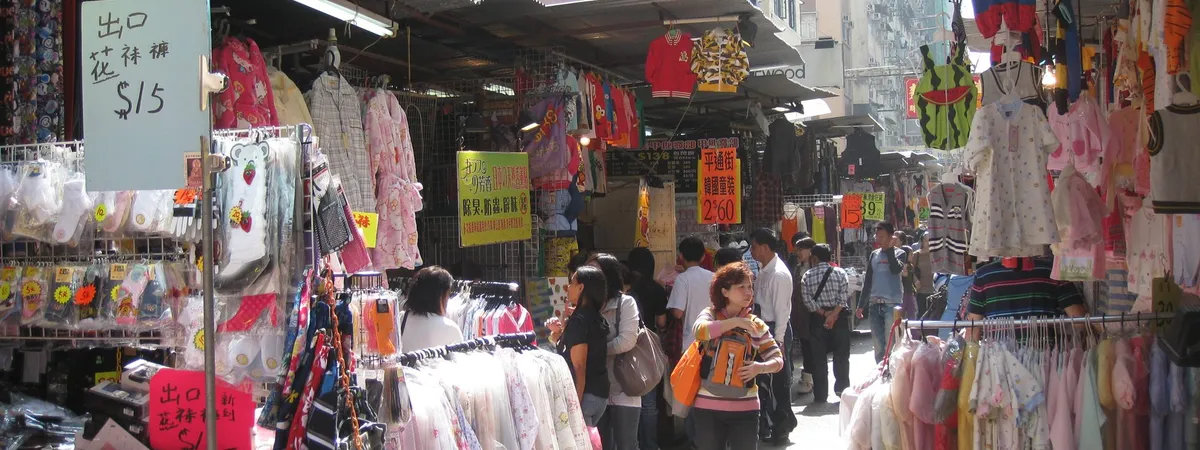
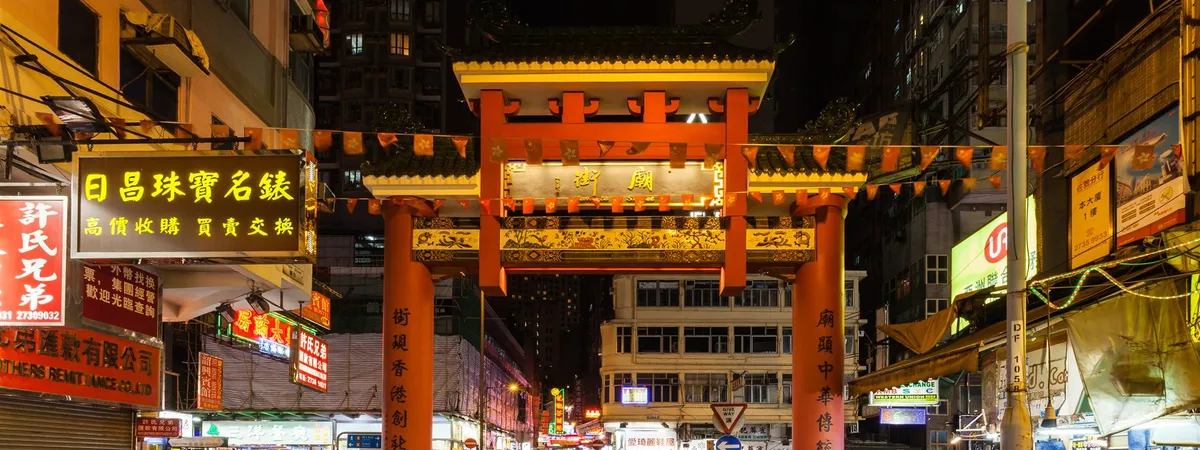
Neon shop signs lighting up Nathan Road in Kowloon at night

Eckhard Pecher / Wikimedia Commons, CC BY 2.5

Hong Kong

Where to Stay in Kowloon

Kowloon is the peninsula across Victoria Harbour from Hong Kong Island, and it's a different pace of city — denser street life, older tenement blocks, and the territory's biggest markets. This guide covers Tsim Sha Tsui's harbourfront museums and shopping, Mong Kok's market streets, and Yau Ma Tei's night market and jade trade. Don't miss the Star Ferry crossing to Central, a walk down Nathan Road's neon-lit Golden Mile, and an evening at Temple Street's food stalls.

Quick facts

Best time to visit
October through December is the best stretch — dry, mild, and clear, which matters here since so much of Kowloon's appeal (markets, the harbourfront, street food) plays out outdoors. Summer (June–September) is hot, humid, and the main typhoon season; winter (December–February) is cooler and driest but can turn damp and chilly after dark.
Renting a car
Skip renting a car. Nathan Road and the market streets around it are congested and slow at the best of times, parking is scarce, and the MTR and Star Ferry cover this guide's neighborhoods faster and more cheaply than driving would.

Where to stay

Compare neighborhoods

AreaBest forAdvantageTrade-off
Tsim Sha TsuiFirst-time visitorsEvery major sight is walkable from here — the harbourfront, museums, and Nathan Road's shops all sit within about 15 minutes on foot of most hotels.Nathan Road can feel like a tourist gauntlet, with tailor touts and watch-shop hawkers working the pavement day and night.
Mong KokBudget travelersHong Kong's densest concentration of street markets, all walkable from a single base, with some of Kowloon's most affordable hotel rates.The crowds are constant, especially on Tung Choi Street after dark, and it's the least polished-feeling of Kowloon's tourist areas.
Yau Ma TeiBudget travelersKowloon's most affordable base with real local texture — the Jade Market and Temple Street are both a short walk from most hotels here.It's the least geared toward tourists of Kowloon's three main areas, with fewer English menus and a rougher edge after dark.

Our picks for Kowloon

A handful of editorial calls across every neighborhood above, not just the highest star rating — see each hotel's own card further down for the full case for and against it.

A couple of hotels in Tsim Sha Tsui

Tsim Sha Tsui is the top-recommended area to stay in Kowloon.

The Salisbury - YMCA of Hong Kong

★★★★
  • 💰 Best value
  • 👨‍👩‍👧 Best for families

Our take A rare combination in Tsim Sha Tsui — a genuinely central, harbourfront-adjacent address at rates well below the five-star hotels surrounding it.

Good for

  • Budget travelers
  • Families
  • First-time visitors

Budget-conscious travelers and families who want a harbourfront-adjacent address without paying five-star rates.

Why we like it

  • Sits on Salisbury Road itself, a few minutes' walk from the Star Ferry pier and the harbourfront promenade
  • An indoor pool, climbing wall, and other family-oriented facilities not typical of a hotel at this price level
  • Rates run well below neighboring five-star properties despite the comparable location
  • Close to the Museum of Art, the Space Museum, and Kowloon Park

What to know

  • Rooms and public areas are simpler than the five-star hotels nearby, in line with its more moderate rates
  • As a YMCA-run property, it draws a mix of leisure travelers and groups, so common areas can feel busier than at a standard hotel
Check availability on Booking.com

The Mira Hong Kong

★★★★★
  • 🏛️ Best for architecture & design

Our take A clean, contemporary counterpoint to Tsim Sha Tsui's older grand hotels, with a Nathan Road address that puts shopping and transit right outside the door.

Good for

  • Couples
  • First-time visitors

Travelers who want a modern, design-led five-star stay right on Nathan Road, within easy reach of both the harbourfront and Kowloon Park.

Why we like it

  • A distinct, contemporary interior design that sets it apart from the area's more traditional five-star hotels
  • Sits directly on Nathan Road, a 5–7 minute walk from Tsim Sha Tsui MTR station
  • Connected to the Miramar Shopping Centre for dining and shopping without stepping outside
  • Close to Kowloon Park as well as the harbourfront, giving a choice of quieter green space or the promenade

What to know

  • Nathan Road is a busy commercial street, so street-facing rooms can pick up more traffic noise than courtyard-facing ones
Check availability on Booking.com

Useful travel information

Hong Kong uses the Hong Kong dollar (HKD). An Octopus card, sold at the airport and any MTR station, covers the MTR, buses, and most convenience-store purchases with a single tap. English is an official language alongside Cantonese and is widely used on signage and by MTR staff. The Tsuen Wan line runs straight through Tsim Sha Tsui, Yau Ma Tei, and Mong Kok, so moving between this guide's neighborhoods rarely takes more than a few minutes. Kowloon's streets are flat and grid-like compared with Hong Kong Island's hillier terrain, but they're also some of the most crowded in the territory — expect to slow down on Nathan Road and around the markets after dark.

Tips

  • Get an Octopus card as soon as you land — it works on nearly every form of transport and at convenience stores, and saves you from buying single paper tickets.
  • Visit Temple Street after dark, not in the afternoon — the stalls open around 2pm but the market doesn't really come alive until dusk, once the food vendors set up alongside the clothes and souvenir stalls.

Frequently asked questions

Where should first-time visitors stay in Kowloon?
Tsim Sha Tsui is the easiest first base — it sits on the Star Ferry and MTR network, has the harbourfront museums within walking distance, and hotel choices span every budget. Mong Kok and Yau Ma Tei are good alternatives if you'd rather be closer to the markets.
Is Kowloon cheaper to stay in than Hong Kong Island?
Generally yes. Hotel rates in Tsim Sha Tsui, Mong Kok, and Yau Ma Tei tend to run lower than comparable properties in Central or Causeway Bay, while the MTR keeps both sides of the harbour within a few minutes of each other.