Last updated July 15, 2026

Stymphal / Wikimedia Commons, CC BY-SA 4.0
Europe
Greece Travel Guide
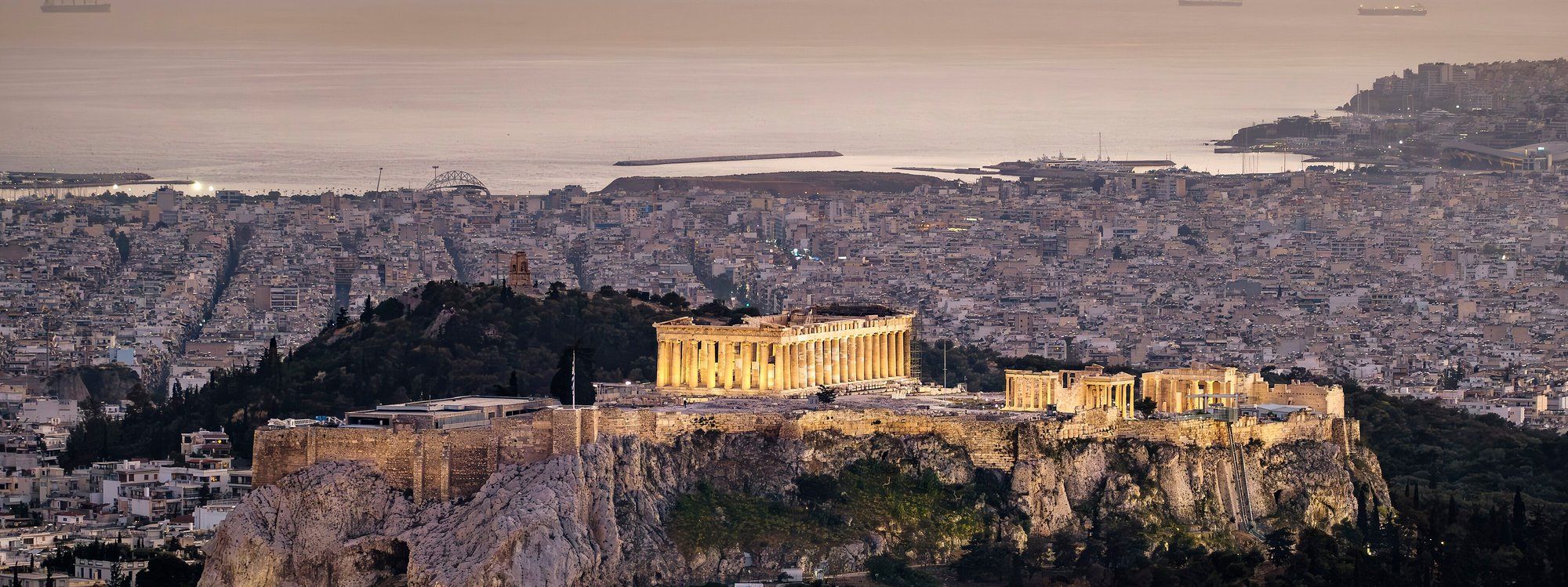
Greece is a country of ancient ruins and island time, often in the same day. Athens packs 2,500 years of history into a single walkable center, while a short flight or ferry ride away, the Cycladic, Ionian, and Dodecanese islands trade marble columns for whitewashed alleys, blue-domed churches, and some of the Mediterranean's best beaches.
Quick facts
- Flag
- Greece
- Capital
- Athens
- Language
- Greek
- Currency
- EUR (€)
- Timezone
- Eastern European Time (UTC+2, UTC+3 in summer)
- Calling code
- +30
- Driving side
- Right-hand side
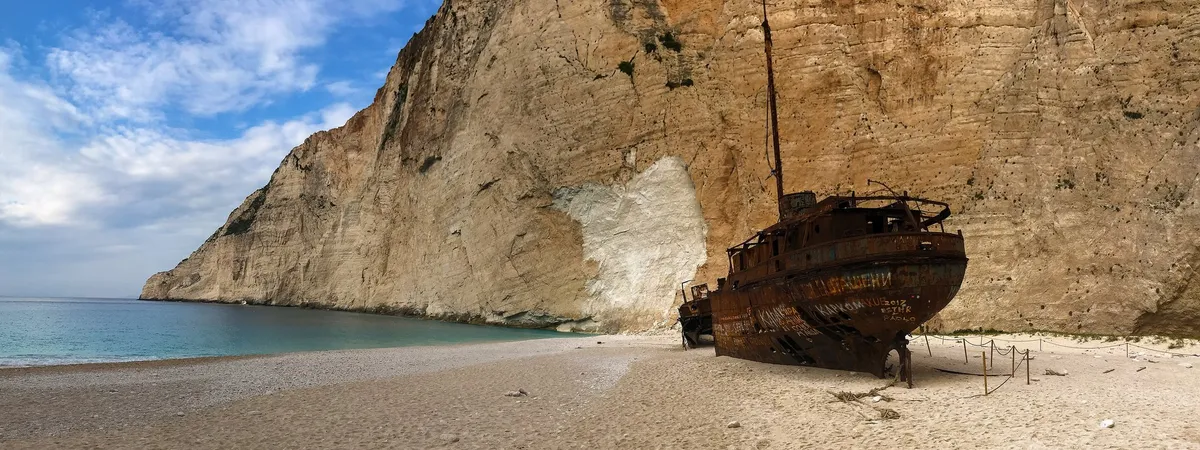
Athens and seven of Greece's most-visited islands stand out — Santorini, Mykonos, Rhodes, Crete's Heraklion, Corfu, Zakynthos, and Kos — each with its own pace and character, from Santorini's caldera-view sunsets to Corfu's Venetian-era old town to Zakynthos's Navagio shipwreck cove.
Planning your trip
- Best time to visit
- Aim for May, June, or September. The weather is warm, the sea is swimmable, and the islands are noticeably calmer and cheaper than in July and August, when peak-season crowds and heat hit their maximum. April and October are good, quieter options for Athens, though some island hotels and ferry routes wind down outside the core season.
- Good to know
- Greece uses the euro (€). English is widely spoken in Athens and on all the main tourist islands. Ferries connect the islands to each other and to the mainland, and domestic flights are quick and often not much pricier in high season. Tipping isn't obligatory — rounding up or leaving small change is normal.
Cities
Where to stay in each of Greece's cities — pick one below to see its best neighborhoods and hotels.
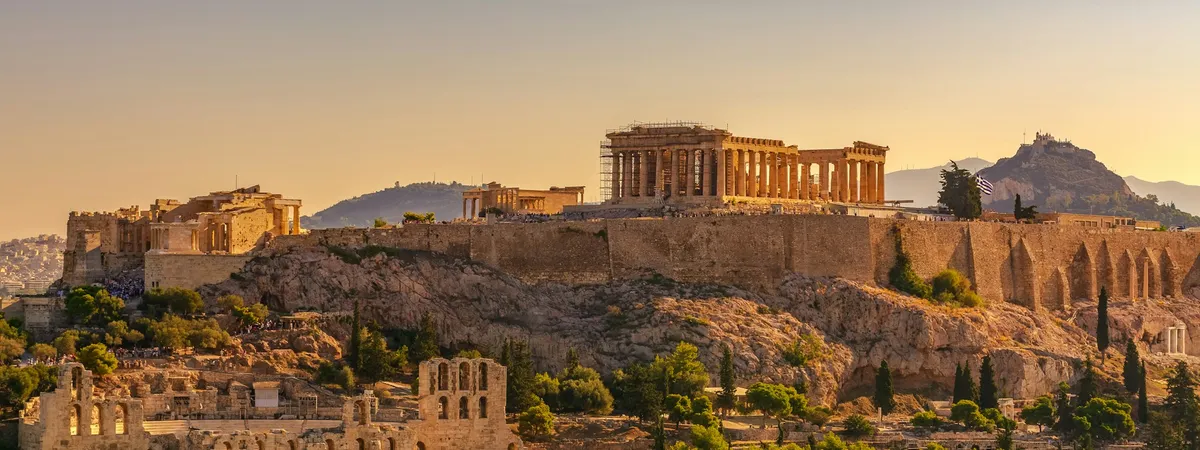
Athens
Best for: First-time visitors, Couples, Architecture lovers, Nightlife
Georg Karl Ell / Wikimedia Commons, CC BY-SA 4.0
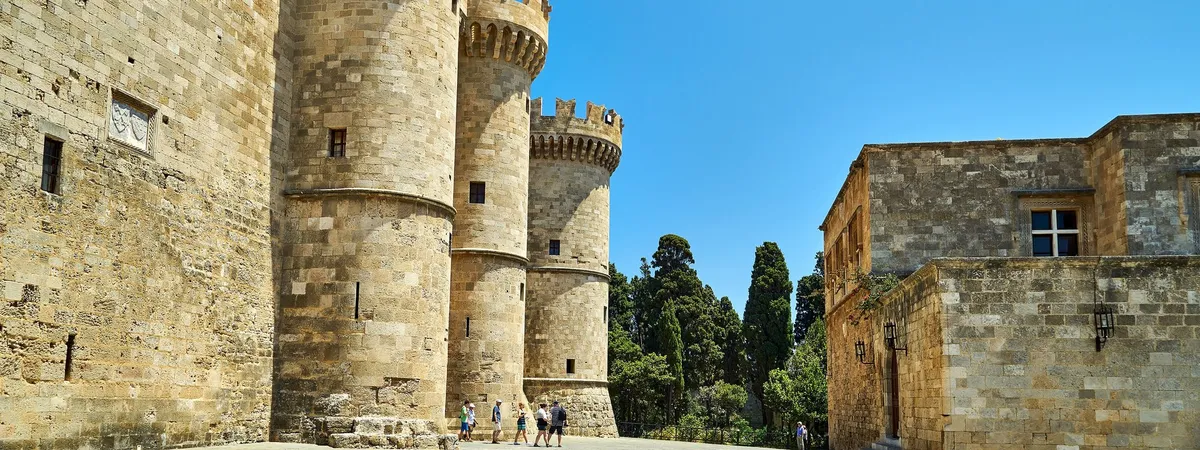
Rhodes
Best for: First-time visitors, Couples, Architecture lovers, Beach time, Families
Moonik / Wikimedia Commons, CC BY-SA 3.0
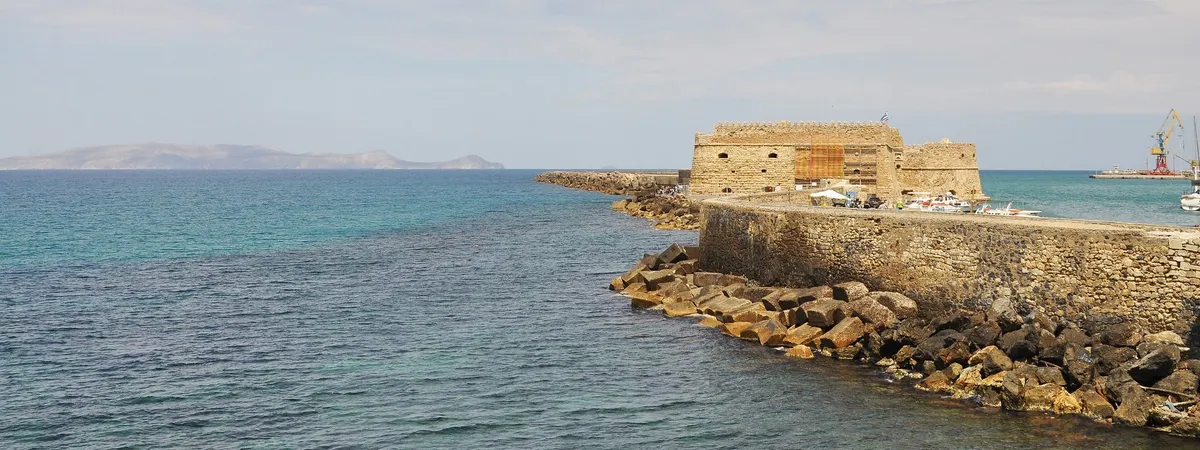
Heraklion
Best for: First-time visitors, Architecture lovers, Couples, Families
Danbu14 / Wikimedia Commons, CC BY-SA 3.0
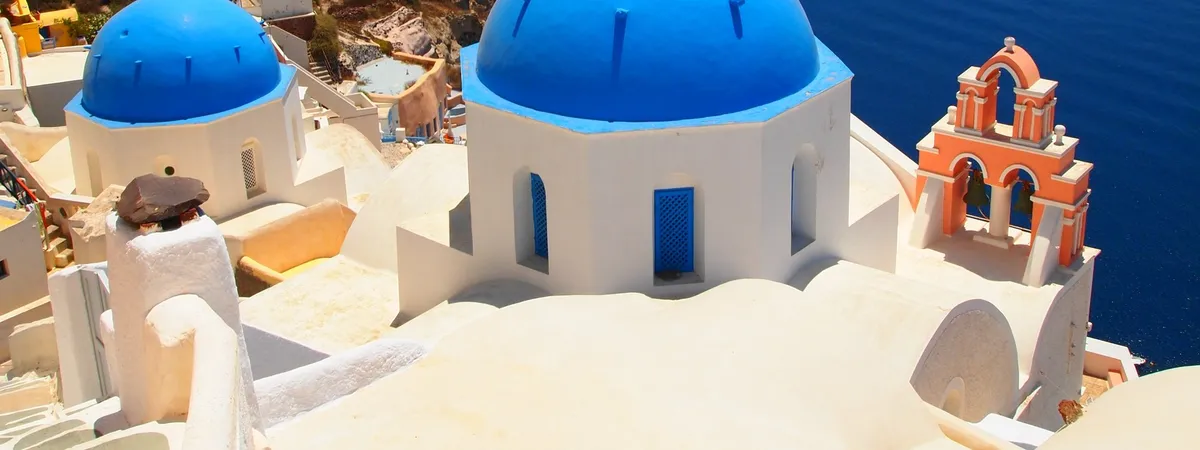
Santorini
Best for: First-time visitors, Couples, Luxury travelers, Beach time
Martin Falbisoner / Wikimedia Commons, CC BY-SA 4.0
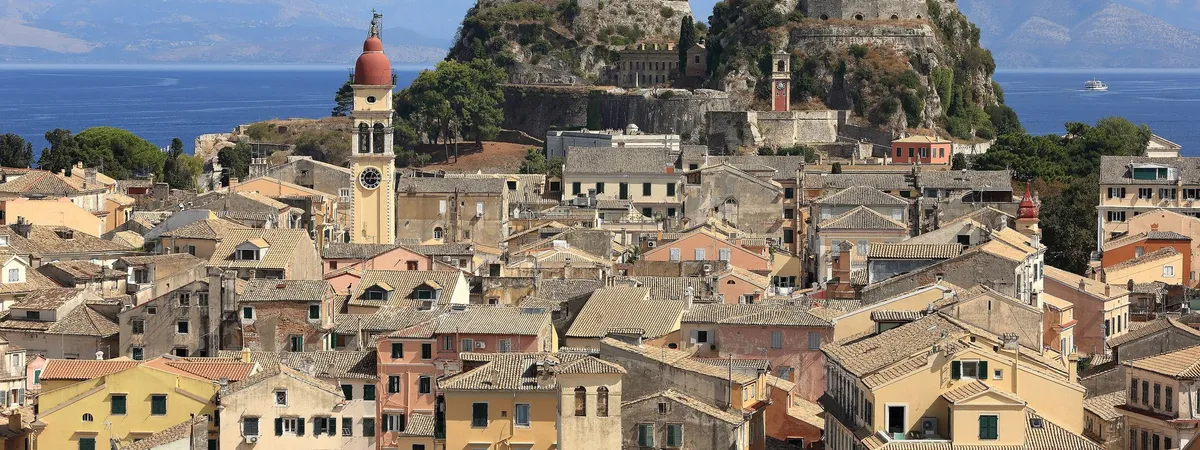
Corfu
Best for: First-time visitors, Families, Beach time, Architecture lovers
Julian Lupyan / Wikimedia Commons, CC0 1.0
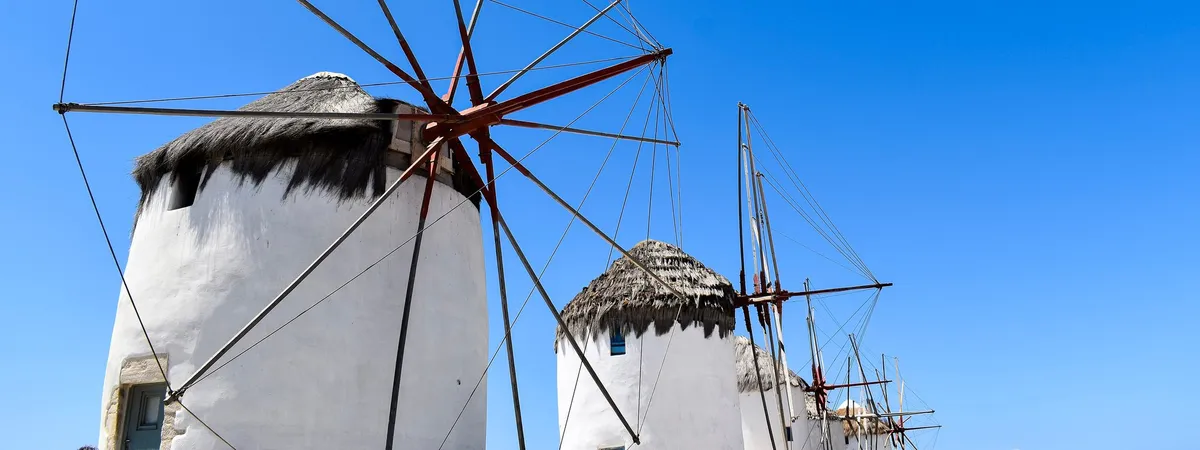
Mykonos
Best for: Couples, Luxury travelers, Nightlife, Beach time
Chris Vlachos / Wikimedia Commons, CC BY 3.0
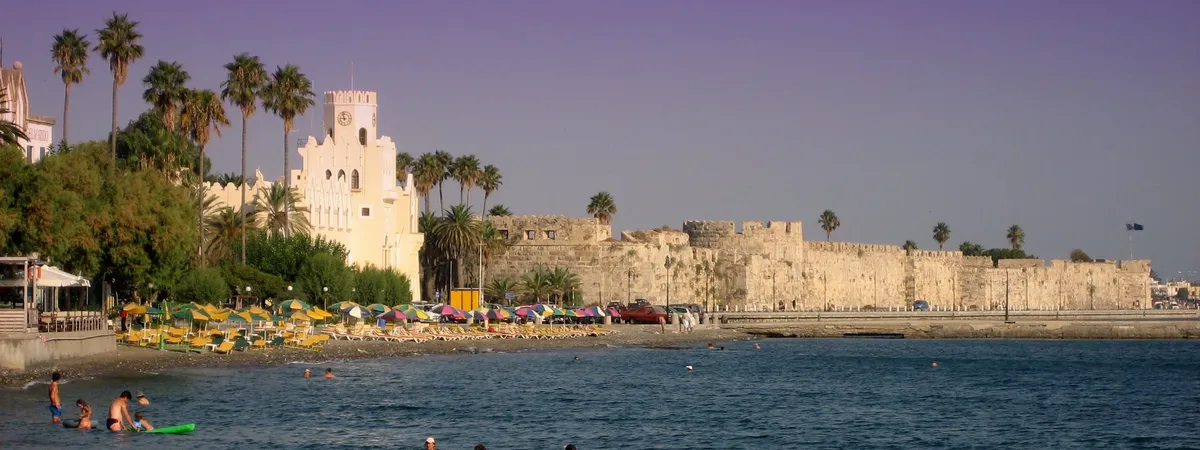
Kos
Best for: Beach time, Families, First-time visitors, Budget travelers
dronepicr / Wikimedia Commons, CC BY 2.0
Zakynthos
Best for: Beach time, Families, Nightlife, Couples
Road trips
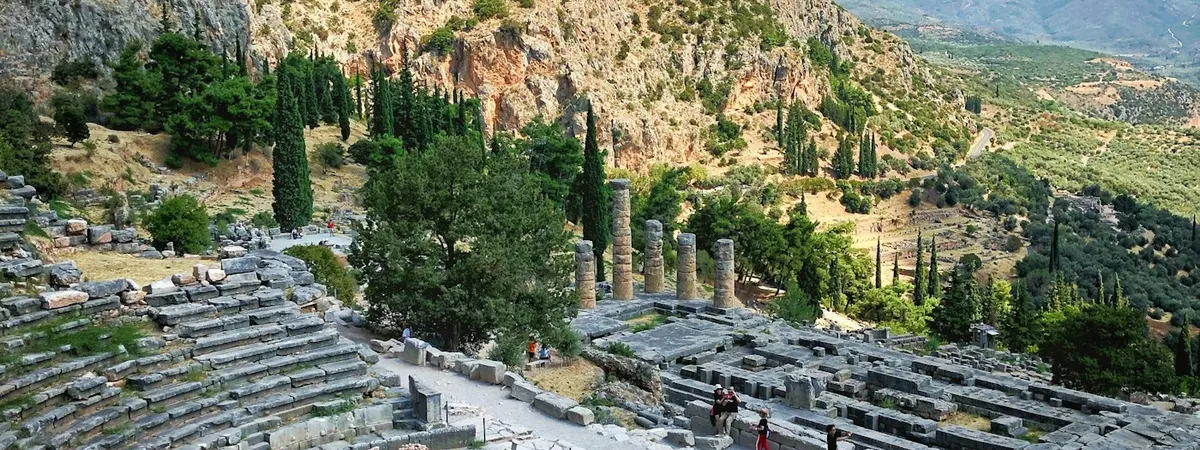
8 Days
8-Day Greece Road Trip from Athens: Delphi, Meteora & Pelion (+ Optional Day 9)
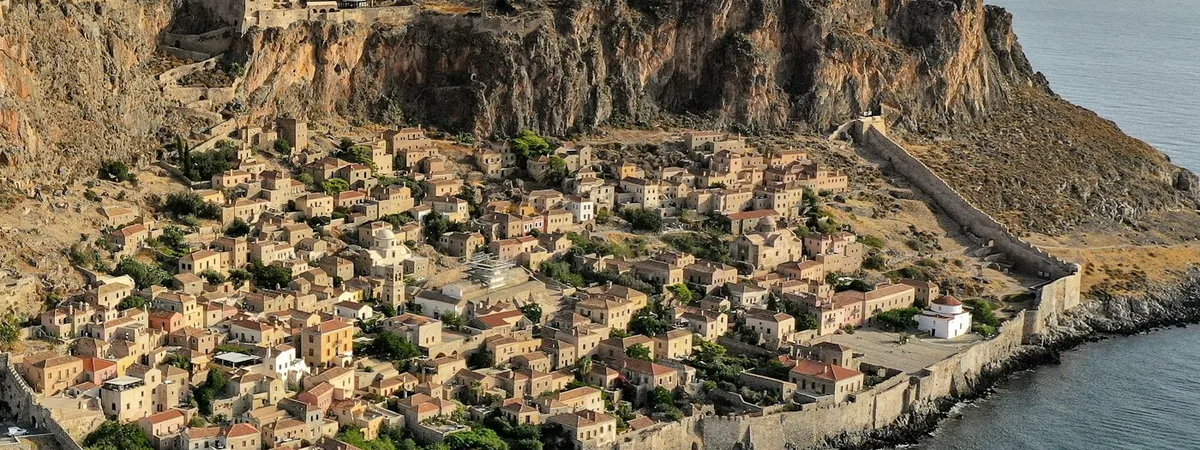
8 Days
8-Day Peloponnese Road Trip from Athens, Greece: Delphi, Nafplio, Monemvasia & the Mani

8 Days
8-Day Northern Greece Road Trip from Thessaloniki: Olympus, Meteora & Zagoria

11 Days
11-Day Northern Greece Road Trip from Thessaloniki: Olympus, Meteora, Tzoumerka & Zagori
Tips
- Book inter-island ferries a few days ahead in July and August — the popular Santorini–Mykonos and Piraeus–Crete routes sell out on the fastest boats.
- Many island streets are stepped, cobbled, or unpaved — pack shoes that can handle uneven ground, especially in Santorini's cliffside towns.
- Meals run later than in much of Northern Europe — dinner rarely starts before 8:30pm, even outside Athens.
Good to know
- Greece has more inhabited islands than any other country in Europe — over 200 of its roughly 6,000 islands and islets are populated.
- The Acropolis of Athens and its Parthenon date to the 5th century BC and remain the country's most-visited ancient site.
- Santorini's caldera was formed by one of the largest volcanic eruptions in recorded history, around 1600 BC.
Frequently asked questions
- Is it easy to island-hop in Greece?
- Yes. Ferries link the main islands to each other and to the port of Piraeus near Athens, and short domestic flights cover longer distances quickly — Athens to Santorini or Rhodes is about 45 minutes by air.
- Do I need to speak Greek to visit?
- No. English is spoken widely in Athens and across the main tourist islands, in hotels, restaurants, and most shops.
- Is Greece expensive to visit?
- Athens is good value by Western European standards. The popular islands, especially Santorini and Mykonos in July and August, cost noticeably more for hotels and dining — prices ease off in the shoulder months and on Crete and Rhodes.