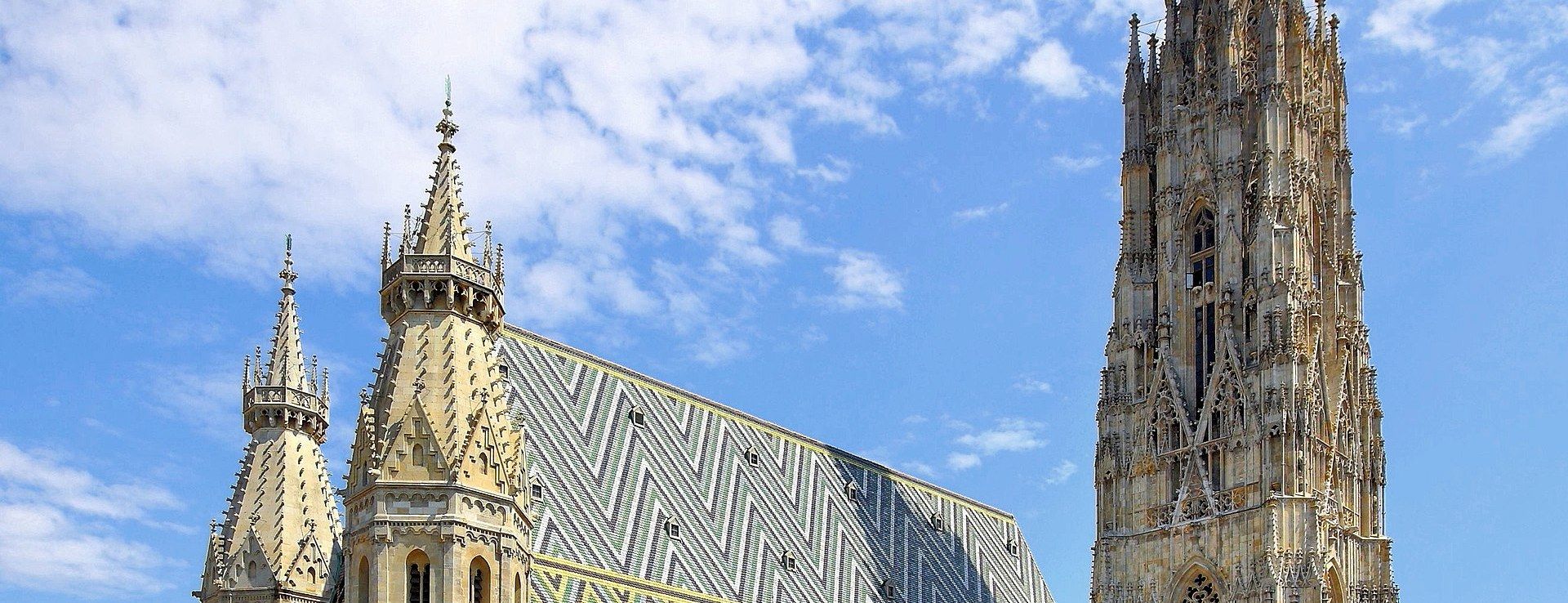
St. Stephen's Cathedral's tiled roof and Gothic spire rising over Vienna's historic center

C.Stadler/Bwag / Wikimedia Commons, CC BY-SA 4.0

Austria

Where to Stay in Vienna

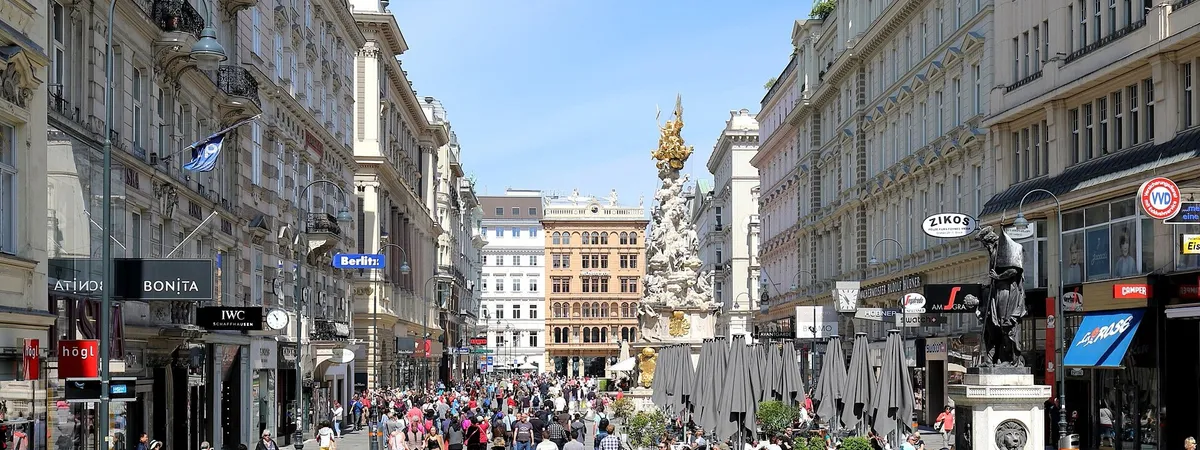
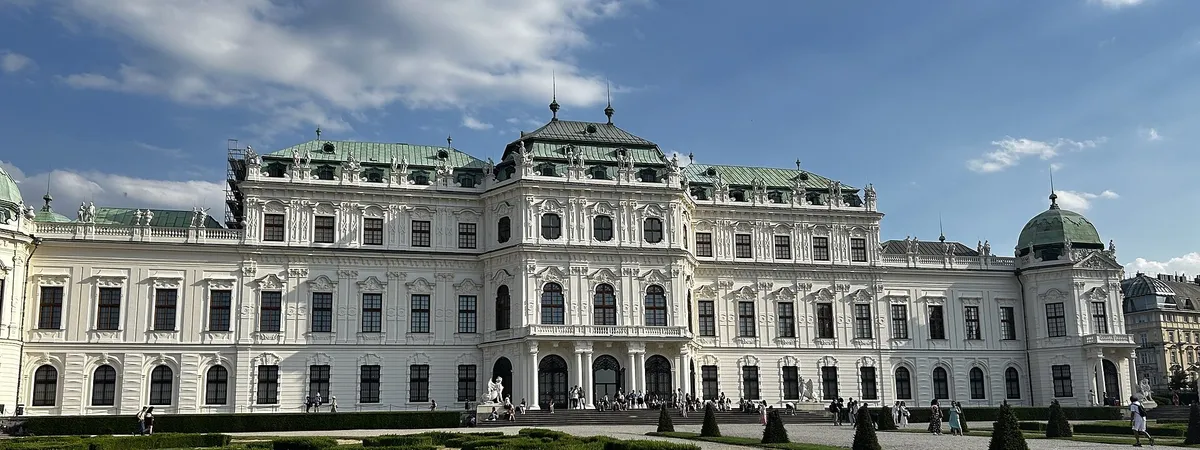
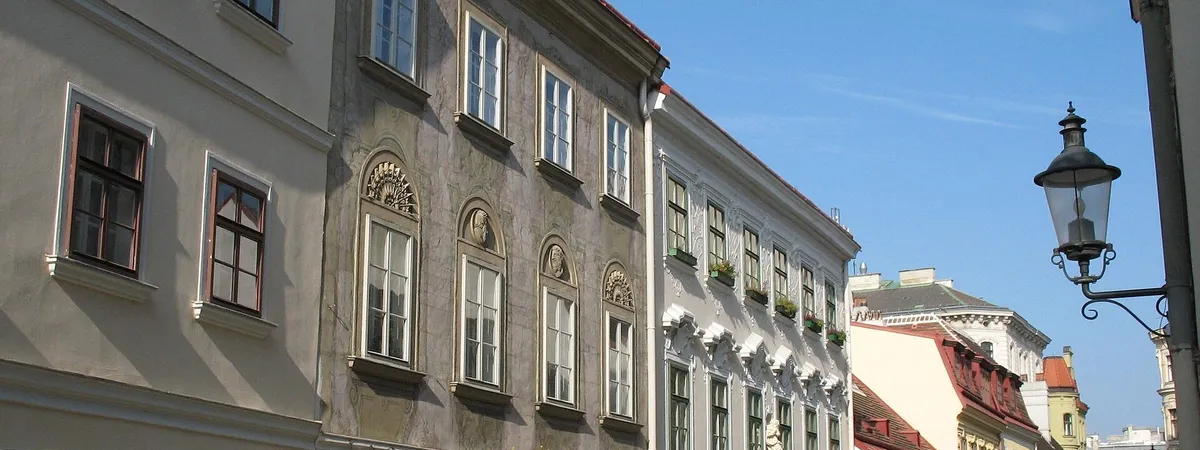
Vienna was the seat of the Habsburg Empire for centuries, and it still looks and feels the part — grand boulevards, palace grounds, and a historic core dense enough to walk in an afternoon. The Innere Stadt, the old walled city, is ringed by the Ringstraße, the 19th-century boulevard built where the fortifications used to stand, and most of what draws visitors sits inside or just outside that ring: St. Stephen's Cathedral, the Hofburg, the opera house, and the museum quarter. Beyond the center, Vienna spreads into distinct districts, from the palace gardens of the 3rd district to the Biedermeier streets of the 7th, each with its own pace. It's also a genuinely easy city to visit. The public transport network is dense and reliable, the historic core is flat and compact enough to cover on foot, and the city's coffeehouse culture gives every walk a natural place to stop. Vienna consistently ranks among the world's most livable cities, and that same quality of life — clean streets, good public services, a low sense of hassle — carries over into how comfortable it is to just be a tourist there.

Quick facts

Best time to visit
Late spring (May-June) and early autumn (September) bring mild weather and thinner crowds than midsummer. December has its own pull for the Christmas markets around the Rathaus and in front of Schönbrunn, though days are short and cold. July and August are warm and busy, with the Innere Stadt at its most crowded.
Renting a car
A car adds cost and hassle without adding much: central Vienna's streets are narrow and largely pedestrianized, parking in the Innere Stadt is limited and metered, and the U-Bahn and tram network reaches every area covered in this guide directly. Save the rental for a side trip outside the city, if you need one at all.

Where to stay

Compare neighborhoods

AreaBest forAdvantageTrade-off
Innere StadtFirst-time visitorsNearly everything a first-time visitor wants to see is within walking distance.It's the most touristy and expensive part of Vienna to book a room in.
LandstraßeCouplesA genuinely quieter, greener base within easy tram reach of the historic center.You'll need a short tram ride or walk to reach the Innere Stadt's main sights and nightlife.
NeubauCouplesPuts the MuseumsQuartier's museums and Spittelberg's cafes right on your doorstep.It's a short tram or walk from the Innere Stadt's grandest streets and squares, not directly in them.

Our picks for Vienna

A handful of editorial calls across every neighborhood above, not just the highest star rating — see each hotel's own card further down for the full case for and against it.

A couple of hotels in Innere Stadt

Innere Stadt is the top-recommended area to stay in Vienna.

The Cloud One Wien-Staatsoper

★★★
  • 💰 Best value
  • 📍 Best location

Our take For a central Innere Stadt base without a five-star price tag, this hotel's compact, design-led rooms and genuinely walkable location make it one of the better value picks in the district.

Good for

  • Budget travelers
  • First-time visitors

Budget-conscious first-time visitors who want a genuinely central Innere Stadt base without a five-star price tag.

Why we like it

  • A few minutes' walk from the State Opera and the edge of the Ringstraße.
  • Compact, design-led rooms at a noticeably lower price than most Innere Stadt hotels.
  • A relaxed lobby bar that works well as a spot to unwind or work without leaving the building.

What to know

  • Rooms run compact, in keeping with the brand's city-hotel format.
  • Breakfast is offered at an extra cost rather than included in the room rate.
Check availability on Booking.com

Grand Ferdinand Vienna

★★★★★
  • 📍 Best location

Our take Grand Ferdinand pairs a genuinely central Ringstraße address with a rooftop pool and terrace that few Vienna hotels can match, making it a strong pick for a first stay with a bit of indulgence built in.

Good for

  • Luxury travelers
  • Couples
  • First-time visitors

First-time visitors and couples who want a central, full-service five-star stay with amenities like a rooftop pool.

Why we like it

  • Right on the Ringstraße, a short walk from the State Opera and the edge of the Innere Stadt.
  • A rooftop pool and terrace with city views, uncommon among central Vienna hotels.
  • Breakfast is served on the top-floor Grand Etage with wraparound views over the Ringstraße.

What to know

  • Ringstraße-facing rooms can pick up some traffic noise — ask for a courtyard-facing room if you prefer quiet.
  • As a larger hotel, the lobby and breakfast room can feel busy at peak times.
Check availability on Booking.com

Useful travel information

Austria uses the euro (€). English is widely spoken in hotels, restaurants, and shops. The U-Bahn (subway), trams, and buses run on one integrated ticket system and cover the city thoroughly — a single ticket or a 24/48/72-hour pass covers most visits without needing a car. Tipping isn't obligatory, but rounding up or adding roughly 5-10% at restaurants is standard practice.

Tips

  • Buy a 24, 48, or 72-hour public transport pass if you're moving around a lot — it covers the U-Bahn, trams, and buses and is usually cheaper than single tickets bought one at a time.
  • Book timed-entry tickets for the Belvedere and other major museums a few days ahead in peak season — walk-up lines for popular exhibits can run long.
  • Vienna's coffeehouses (Kaffeehäuser) are a genuine part of the culture, not a tourist trap — a lot of them expect you to sit with one coffee for an hour, so don't rush the experience.

Frequently asked questions

How many days do I need in Vienna?
Three to four days covers the main sights comfortably — the Innere Stadt, one or two major museums, and a half-day out at the Belvedere or Schönbrunn. It also works well as a shorter stopover of a day or two.
Is Vienna walkable?
Yes, especially the historic core — the Innere Stadt is largely pedestrianized and flat. For areas further out, like the Belvedere district or the 7th district, the tram and U-Bahn network makes getting around simple without a car.
Do I need to speak German in Vienna?
No. English is spoken widely in hotels, restaurants, and shops across the city — a few German phrases are appreciated but not necessary for a comfortable visit.