Last updated July 13, 2026
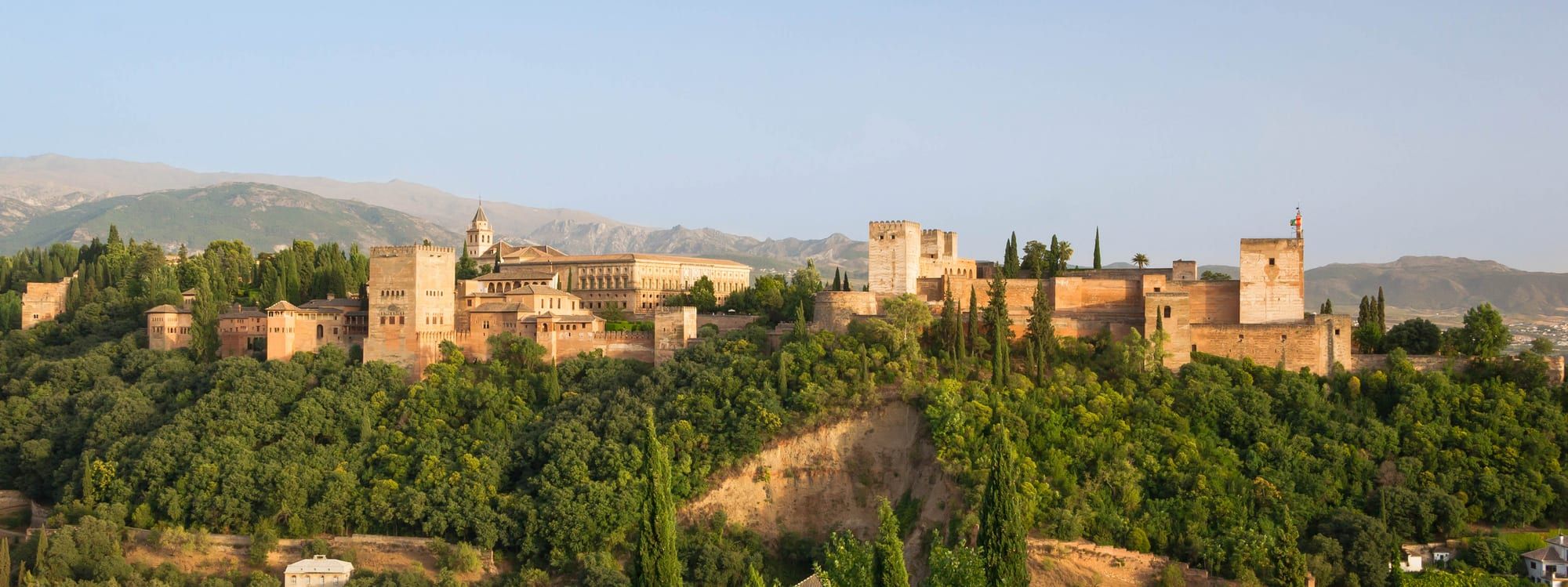
Jebulon / Wikimedia Commons, CC0
Europe
Spain Travel Guide
Spain sits at the edge of Europe, with the Mediterranean on one side and the Atlantic on the other. It's a country of big contrasts: snow-capped mountains a few hours from sandy beaches, quiet whitewashed villages not far from some of Europe's liveliest cities. Meals run late, streets stay busy well past midnight, and there's always a plaza nearby for a coffee or a glass of wine.
Quick facts
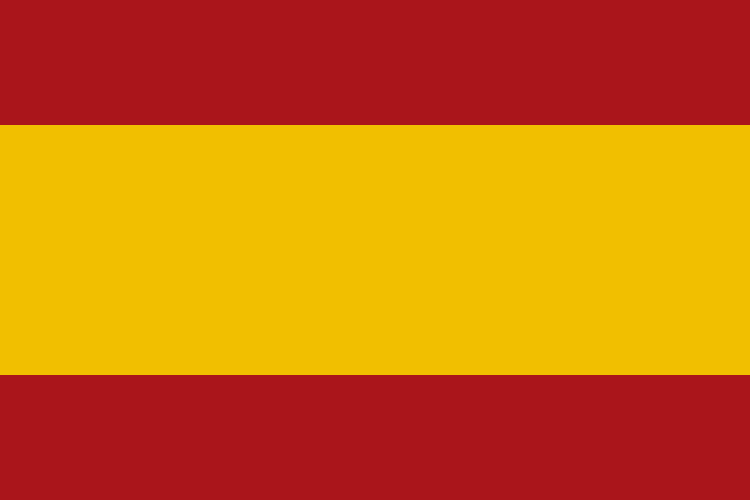
- Flag
- Spain
- Capital
- Madrid
- Language
- Spanish
- Currency
- EUR (€)
- Timezone
- Central European Time (UTC+1, UTC+2 in summer)
- Calling code
- +34
- Driving side
- Right-hand side
Beyond the food and the weather, Spain packs in centuries of history — Roman ruins, Moorish palaces, and Gothic cathedrals all within reach of each other. Its main destinations range from Barcelona and Madrid — Spain's two biggest cities and the ones most first-time visitors fly into — to destinations like Valencia, Seville, Granada, and Santiago de Compostela.
Planning your trip
- Best time to visit
- Aim for spring (April–June) or fall (September–October). The weather is warm and pleasant without the peak-summer crowds. July and August are hot, especially inland, and it's when many Spaniards take their own vacation — some small shops and restaurants close for a few weeks.
- Good to know
- Spain uses the euro (€). English is common in hotels and tourist areas, though it helps to know a few Spanish phrases outside the big cities. High-speed trains connect major cities quickly and are usually easier than flying once you add in airport time. Tipping isn't required — rounding up the bill is normal and appreciated.
Cities
Where to stay in each of Spain's cities — pick one below to see its best neighborhoods and hotels.
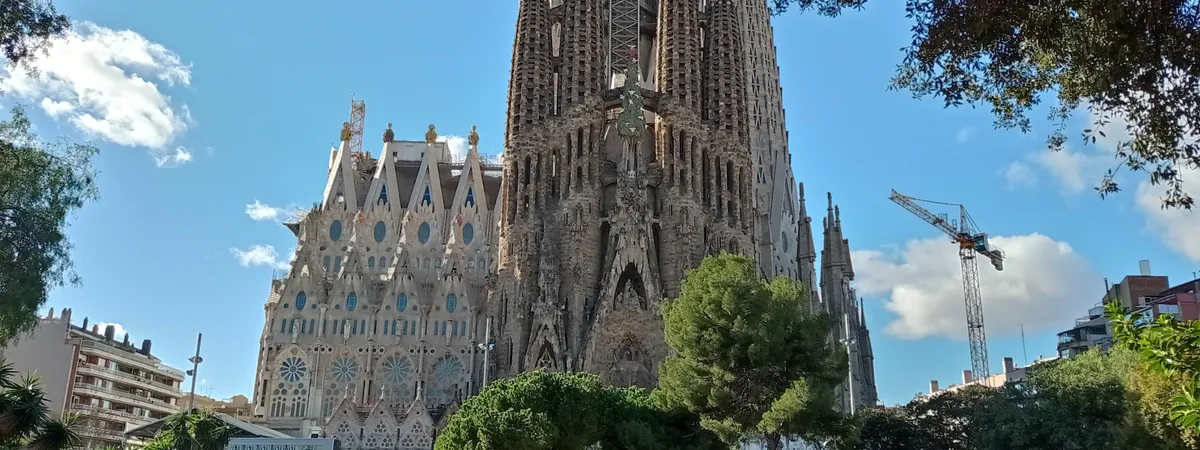
Canaan / Wikimedia Commons, CC BY-SA 4.0
Barcelona
Best for: First-time visitors, Couples, Families, Architecture lovers, Beach time
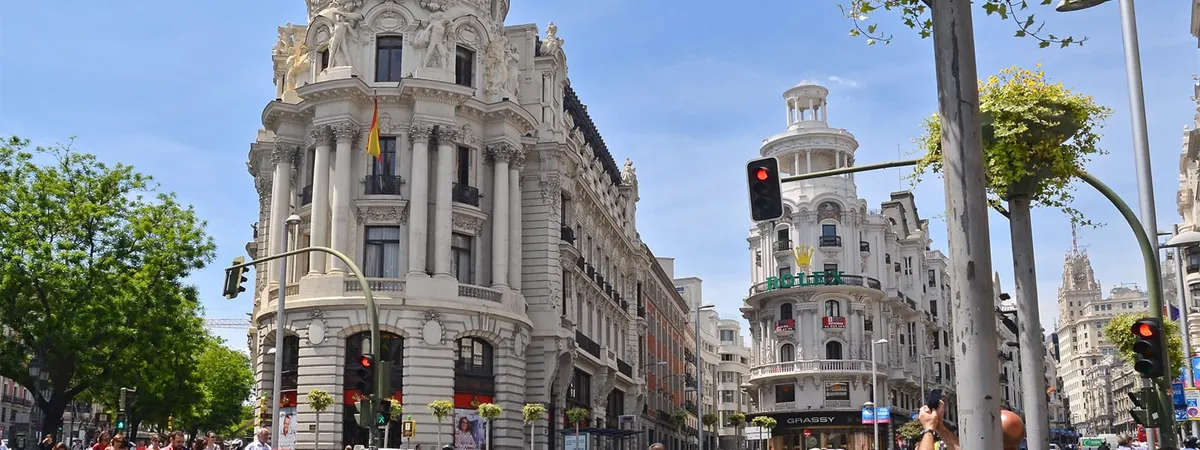
AudaCity3371 / Wikimedia Commons, CC BY-SA 3.0
Madrid
Best for: First-time visitors, Couples, Architecture lovers, Nightlife
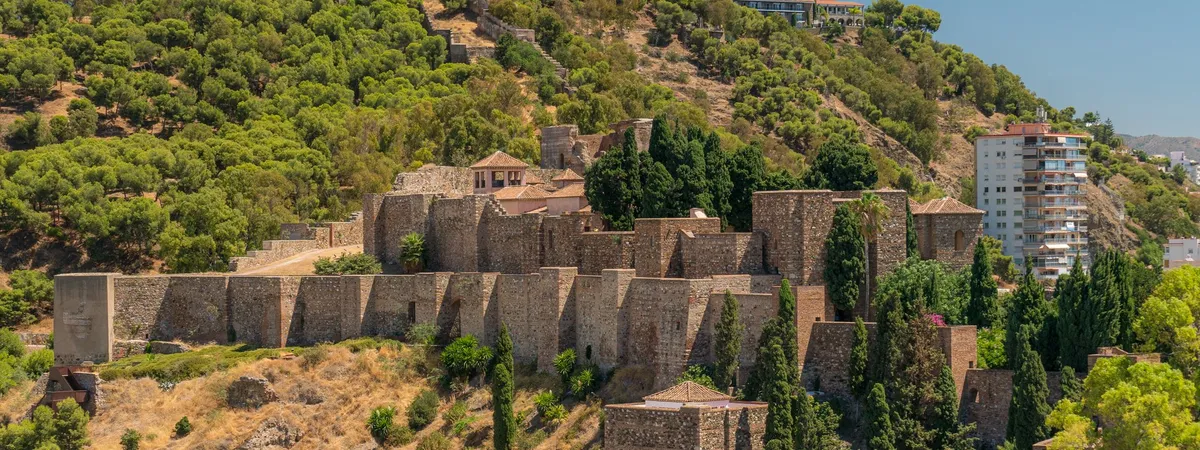
Fernando / Wikimedia Commons, CC BY-SA 4.0
Málaga
Best for: First-time visitors, Beach time, Architecture lovers, Couples
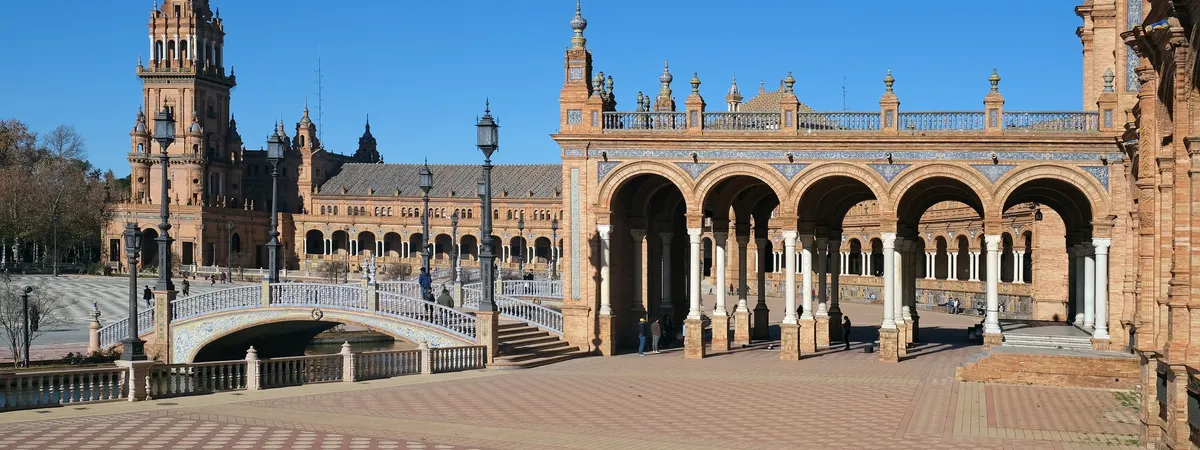
Kallerna / Wikimedia Commons, CC BY-SA 4.0
Seville
Best for: First-time visitors, Architecture lovers, Couples, Nightlife
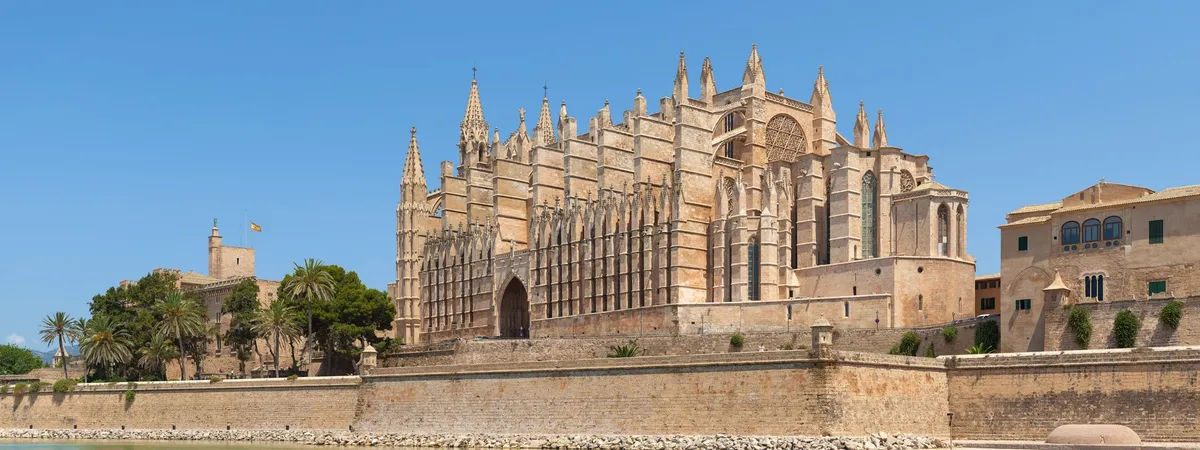
Thomas Wolf (www.foto-tw.de) / Wikimedia Commons, CC BY-SA 3.0 DE
Palma de Mallorca
Best for: First-time visitors, Couples, Beach time, Architecture lovers
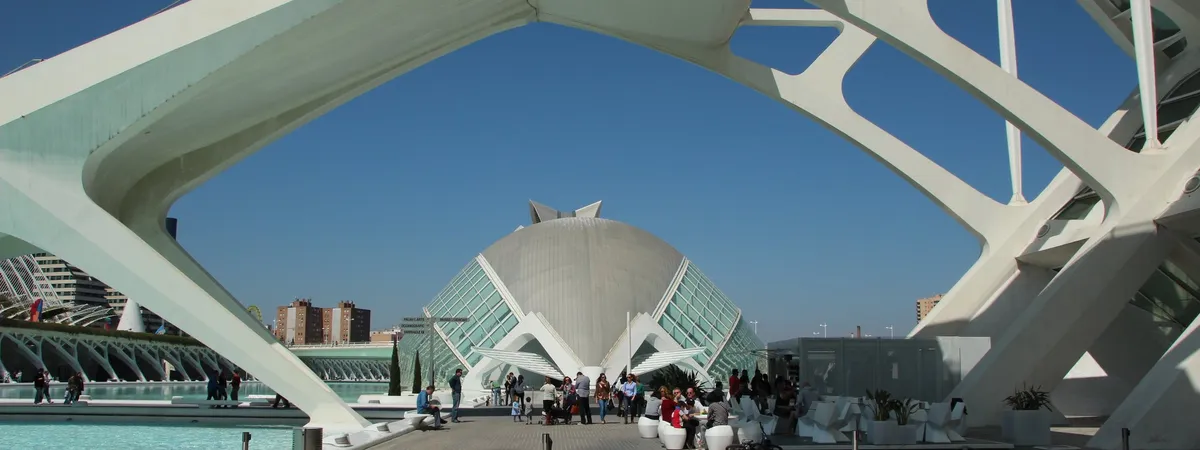
Cateecatee / Wikimedia Commons, CC BY-SA 3.0
Valencia
Best for: First-time visitors, Architecture lovers, Beach time, Nightlife
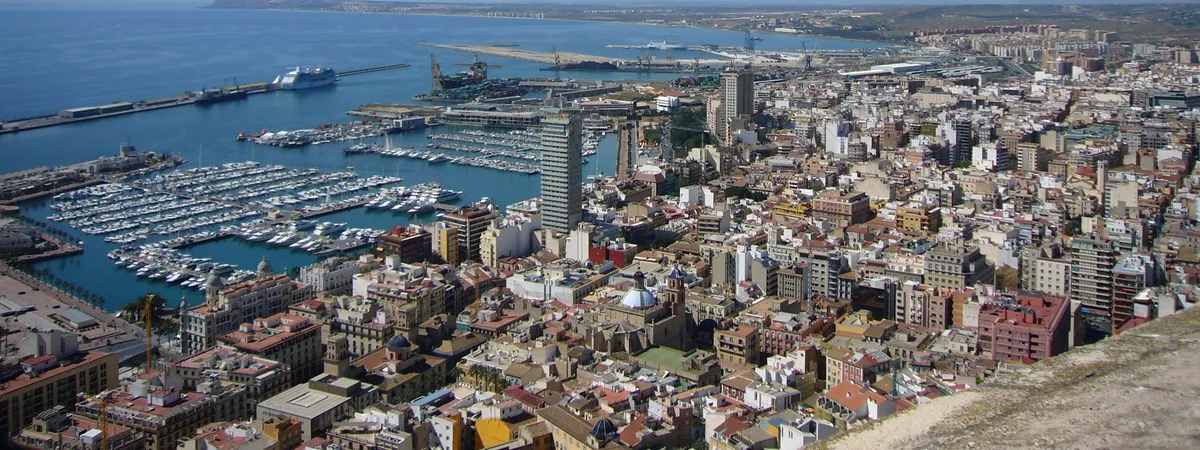
Dilema / Wikimedia Commons, CC BY 3.0
Alicante
Best for: First-time visitors, Beach time, Couples
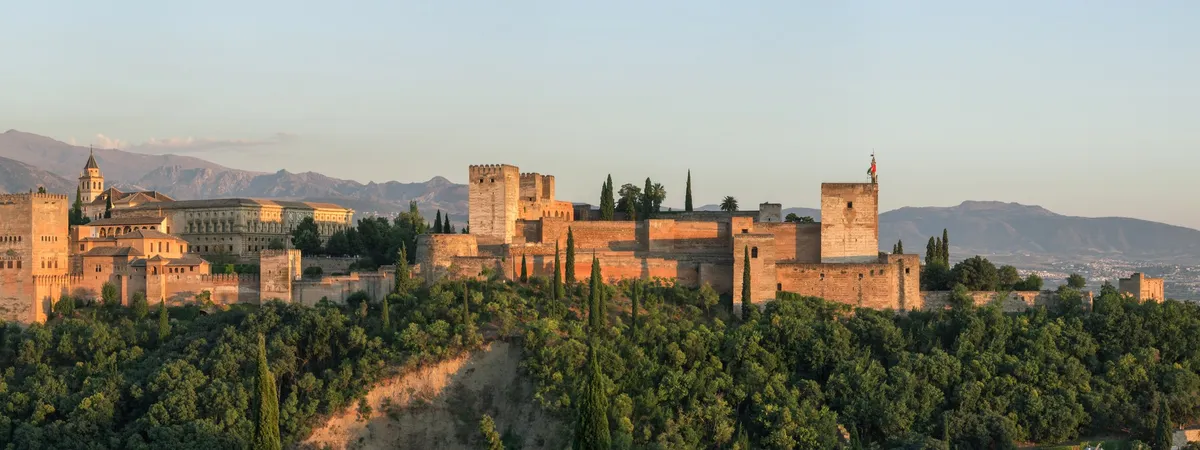
Slaunger / Wikimedia Commons, CC BY-SA 3.0
Granada
Best for: First-time visitors, Architecture lovers, Couples, Budget travelers
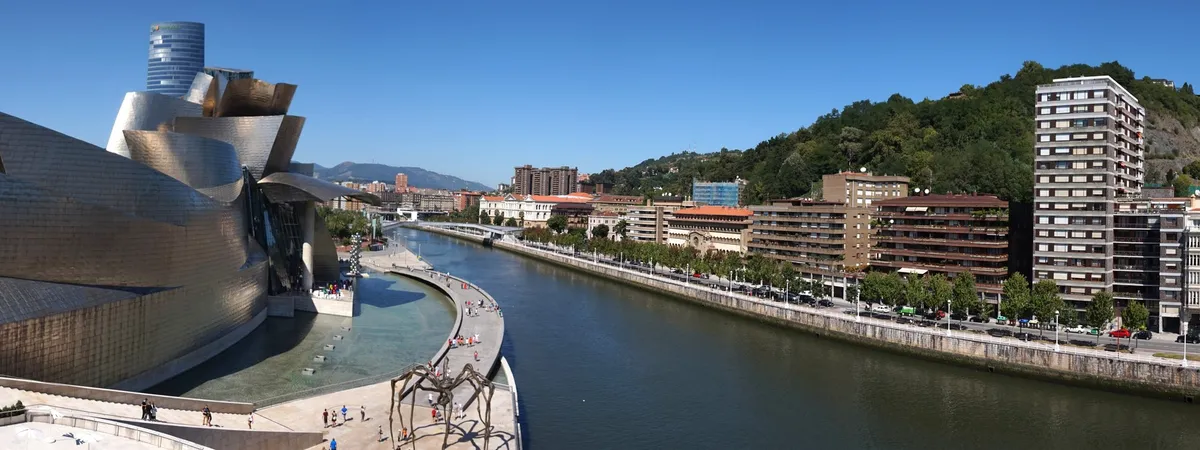
Tiia Monto / Wikimedia Commons, CC BY-SA 3.0
Bilbao
Best for: First-time visitors, Couples, Architecture lovers
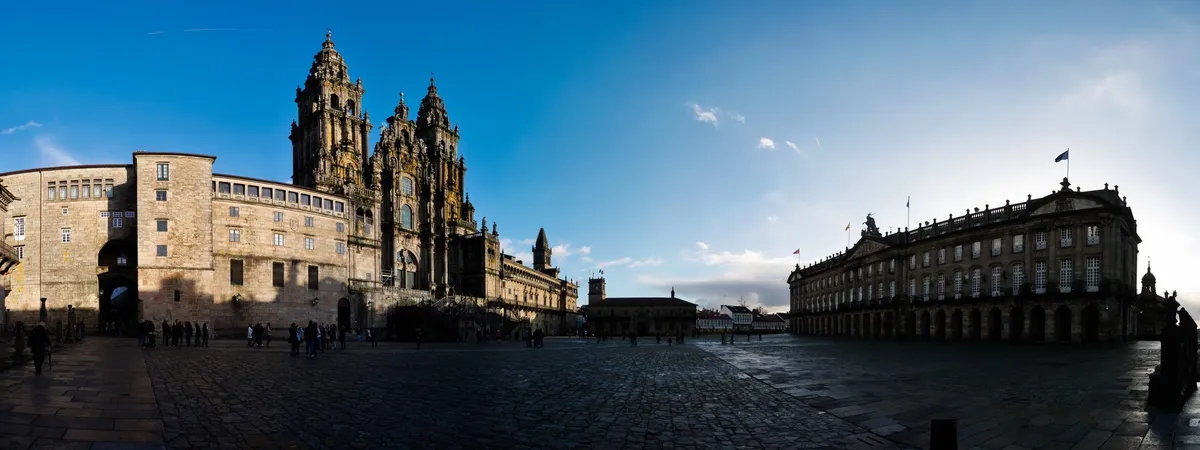
D.Rovchak / Wikimedia Commons, CC BY-SA 4.0
Santiago de Compostela
Best for: First-time visitors, Couples, Architecture lovers
Tips
- Meals run later than you might be used to — lunch around 2pm, dinner from 9pm. Many restaurants don't open for dinner before 8pm.
- Shops and some restaurants close for a few hours in the afternoon, especially outside the big cities. Plan errands for the morning or early evening.
- Book train tickets between cities a few days ahead in high season — the high-speed AVE routes between Madrid and Barcelona can sell out.
Good to know
- Spain has one of the highest numbers of UNESCO World Heritage Sites of any country — 50 in total, the fifth-most worldwide after Italy, China, France, and Germany.
- Spanish is the official language nationwide, but Catalan, Basque, and Galician are also official in their own regions — you'll see street signs in two languages in cities like Barcelona.
- The high-speed AVE train covers the roughly 620km between Madrid and Barcelona in about two and a half hours.
Frequently asked questions
- What's the best way to travel between Spanish cities?
- Take the train. High-speed AVE trains connect major cities in a few hours, drop you in the city center, and skip the airport hassle that flying involves.
- Do I need to speak Spanish to visit?
- No, but it helps. English is widely understood in hotels and tourist areas, especially in Barcelona and Madrid — a few basic Spanish phrases will still get you a warmer welcome elsewhere.
- Is Spain expensive to visit?
- It's generally cheaper than Northern Europe. Madrid and Barcelona cost more than smaller cities, but eating and getting around by public transport is still good value compared to much of Western Europe.