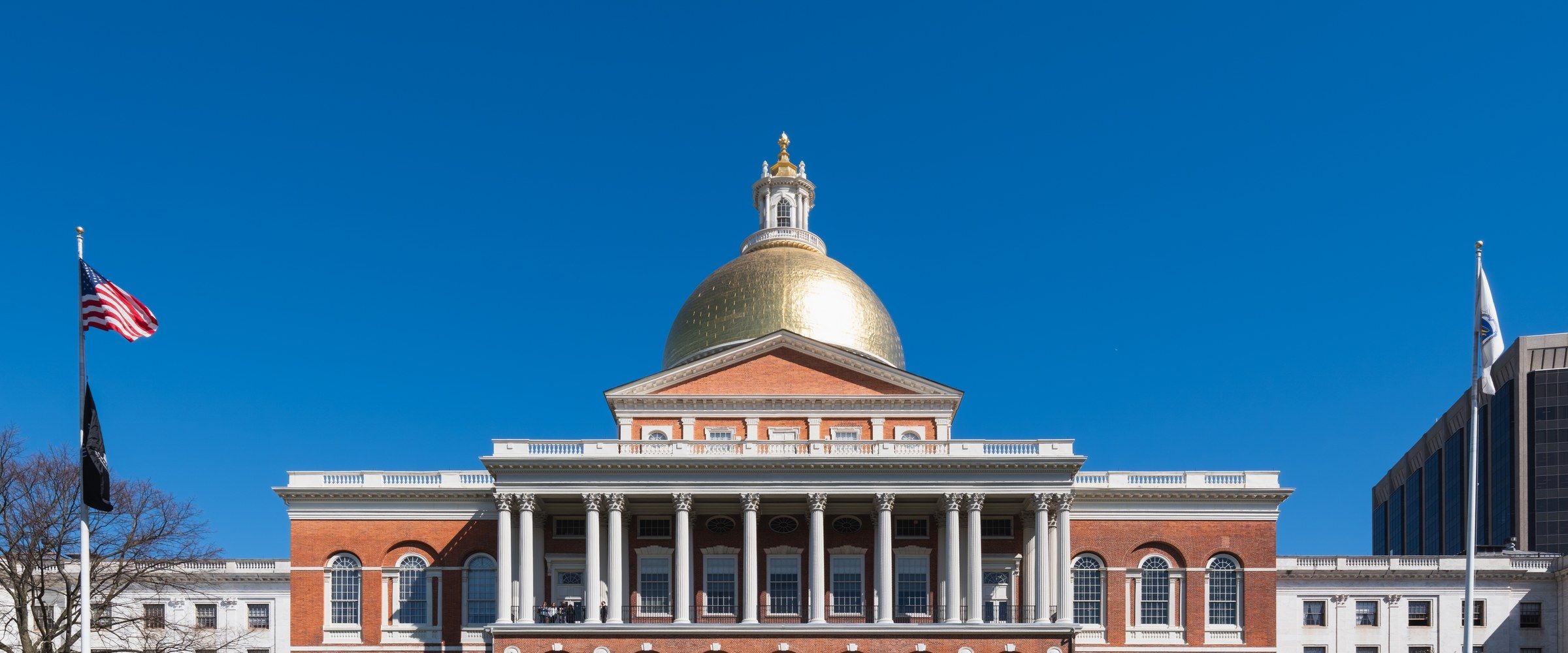
The Massachusetts State House's golden dome and columned façade on Beacon Hill, seen straight-on against a clear sky

Christian David / Wikimedia Commons, CC BY-SA 4.0

United States

Where to Stay in Boston

Boston is a walking city with more history per block than almost anywhere else in the country — a red-brick Freedom Trail connecting Revolutionary War sites, a harbor that started a revolution, and neighborhoods old enough to have grown organically instead of on a grid. This guide covers the areas that work best for visitors: the bow-front brownstones and shopping of Back Bay, the narrow lanes and Italian restaurants of the North End, and the Faneuil Hall and waterfront district where the Freedom Trail meets the harbor. Don't miss the Freedom Trail's 16 historic sites, a cannoli in the North End, and the view across the Charles River from the Longfellow Bridge.

Quick facts

Best time to visit
Visit in September and October for fall foliage and mild temperatures, or May and June before the summer humidity sets in. Winters are cold and can bring heavy snow, and hotel rates spike around Boston Marathon weekend (mid-April) and college move-in/graduation season, so book ahead if you're traveling then.
Renting a car
Skip the rental car. Boston's streets are famously confusing for drivers, parking downtown is scarce and expensive, and the T plus walking cover every area in this guide. A car only makes sense if you're planning day trips outside the city, like Salem or Cape Cod.

Where to stay

Compare neighborhoods

AreaBest forAdvantageTrade-off
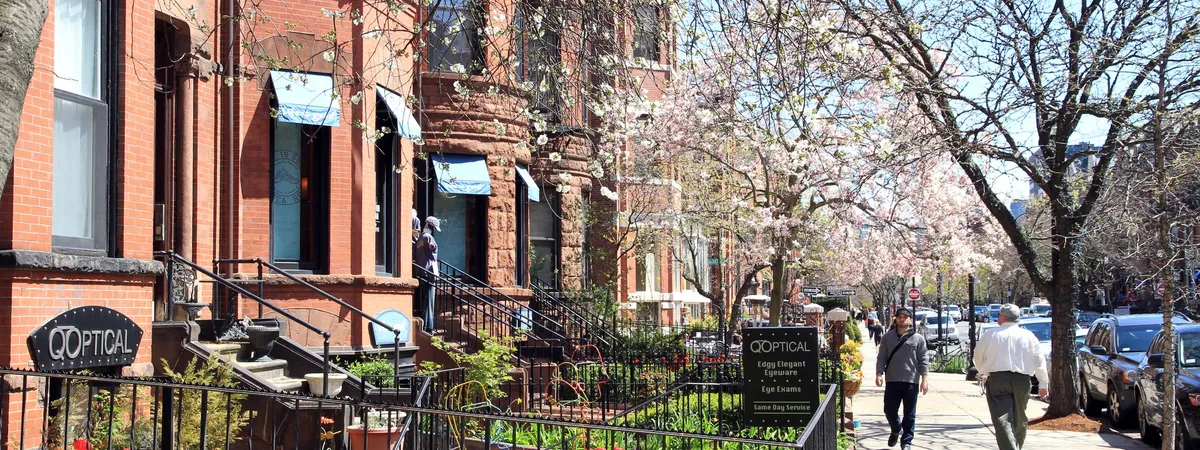
Back BayArchitecture loversCentral, walkable, and quiet at night, with shopping and architecture right outside the door.It's a walk or a T ride from the Freedom Trail's historic sites and the North End's restaurants.
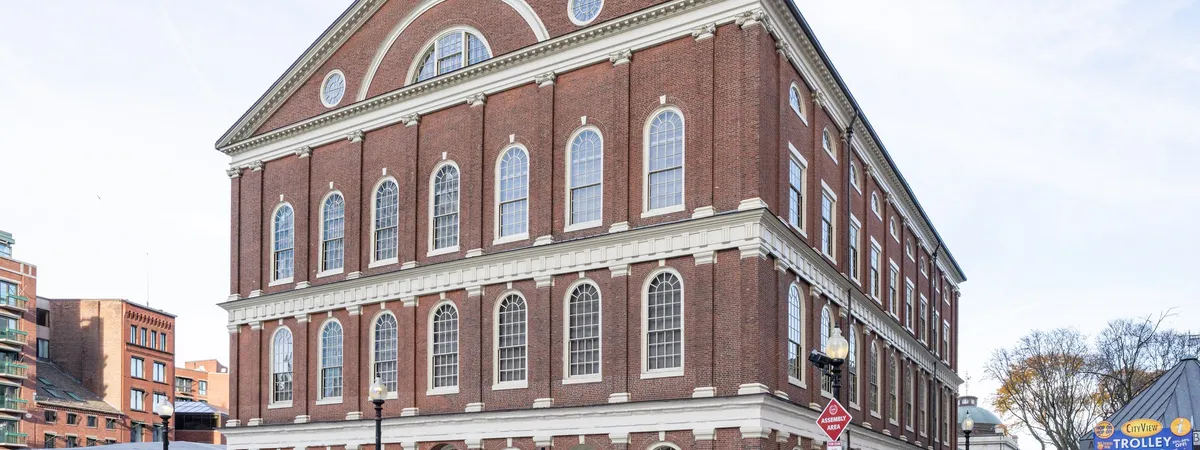
Faneuil Hall & the WaterfrontFirst-time visitorsThe most central base in Boston — walking distance to the North End, Beacon Hill, and the Freedom Trail's downtown sites.Faneuil Hall's plaza draws heavy foot traffic and street performers most of the day, which can feel crowded compared to a residential neighborhood.
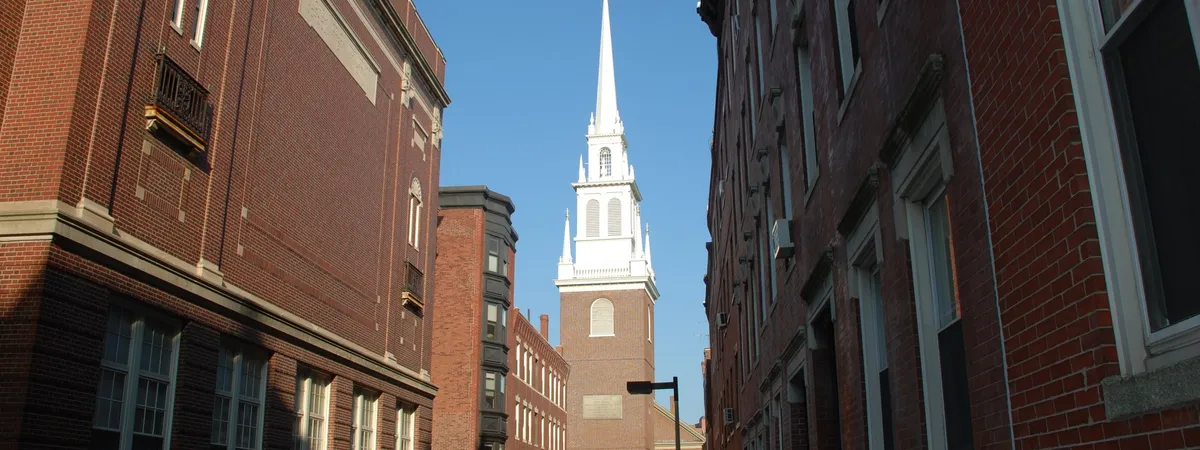
North EndCouplesReal Italian restaurants and bakeries on nearly every block, with major Freedom Trail sites a few minutes' walk away.Hotel options are limited, so it's worth booking well ahead if this is where you want to stay.

Our picks for Boston

A handful of editorial calls across every neighborhood above, not just the highest star rating — see each hotel's own card further down for the full case for and against it.

A couple of hotels in Back Bay

Back Bay is the top-recommended area to stay in Boston.

Newbury Guest House

★★★
  • 💰 Best value

Our take The most convincingly "Back Bay" place to stay in Back Bay — a real 19th-century brownstone on the neighborhood's main shopping street, priced well below the hotels around it.

Good for

  • Couples
  • First-time visitors

Couples and first-time visitors who want a genuinely central Back Bay address without paying full-service-hotel prices.

Why we like it

  • Housed in three connected 19th-century townhouses, so rooms keep original brownstone details instead of feeling like a converted office block
  • An on-site bakery and coffee bar in the lobby, handy for an early Freedom Trail start
  • Steps from Newbury Street's shops and cafés, with the Public Garden about a 10-minute walk away

What to know

  • It's a guesthouse rather than a full hotel — there's no gym, bar, or 24-hour restaurant on site
  • Being spread across converted townhouses, elevator access can be limited in parts of the building — worth asking at booking if stairs are a concern
Check availability on Booking.com

The Eliot Hotel

★★★★★
  • ❤️ Best for couples

Our take A genuinely elegant, low-key alternative to Boston's big-name luxury hotels — a 1925 building that leans into its residential Commonwealth Avenue setting rather than trying to be a landmark in its own right.

Good for

  • Luxury travelers
  • Architecture lovers
  • Couples

Couples and design-minded travelers who want a quiet, all-suite stay on one of Back Bay's grandest avenues.

Why we like it

  • Nearly every room is a suite, with a separate sitting area rather than a single hotel room — suites run around 42m²
  • Soundproof windows, which genuinely help on a hotel that fronts a busy avenue
  • UNI, the on-site Japanese restaurant and sashimi bar, is a destination in its own right rather than a standard hotel restaurant

What to know

  • It's set back from Copley Square and Newbury Street, roughly a 10–15 minute walk rather than right in the thick of the shopping district
  • Being an all-suite property, rates run higher than a standard hotel room of the same size elsewhere in Back Bay
Check availability on Booking.com

Useful travel information

The US dollar is the currency. The MBTA subway ("the T") — the oldest subway system in the US — connects Back Bay and the Faneuil Hall/Waterfront area directly; the North End has no subway stop of its own but is a short walk from Haymarket or the Aquarium station. Winters bring snow and occasional nor'easters that can disrupt travel, so build in some flexibility if you're visiting between December and March.

Tips

  • The Freedom Trail is a physical red line (paint or brick) in the sidewalk — you can follow it on foot for free without a guided tour, though guided tours add context at the sites themselves.
  • Restaurants in the North End don't take reservations at most of the classic spots — expect a wait on weekend evenings, or eat early.

Frequently asked questions

Where should first-time visitors stay in Boston?
Stay in Back Bay for brownstone-lined streets, shopping, and easy T access, or near Faneuil Hall and the waterfront to be closest to the Freedom Trail's historic core.
Is Boston walkable?
Yes — Boston's compact, historic core is one of the most walkable in the US. Back Bay, the North End, and the Faneuil Hall/waterfront area are each easy to cover on foot, and the Freedom Trail connects several of them directly.
Do I need a car in Boston?
No — skip it. Parking is scarce and expensive, the streets are confusing for drivers, and the T subway plus walking cover every area in this guide.