Last updated August 3, 2026
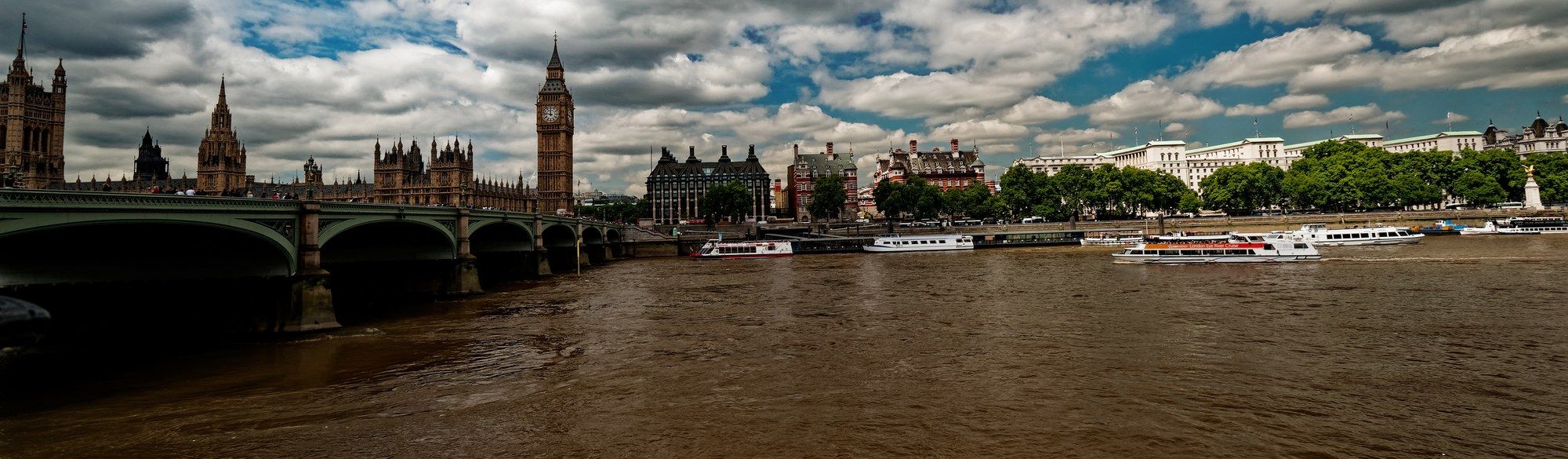

Txllxt TxllxT / Wikimedia Commons, CC BY-SA 4.0
Europe
United Kingdom Travel Guide
The United Kingdom packs an outsized amount of history and scenery into a fairly small footprint. London anchors most trips — a genuinely global city with world-class museums, theatre, and food — but the country's appeal spreads far beyond the capital: Edinburgh's medieval Old Town under its hilltop castle, Bath's honey-colored Georgian streets built around a Roman spa, York's walled medieval core and Gothic minster, and Oxford's centuries-old university colleges. The classic first-trip cities are London, Edinburgh, Bath, York, and Oxford.
Quick facts
- Flag
- United Kingdom
- Capital
- London
- Language
- English
- Currency
- GBP (£)
- Timezone
- Greenwich Mean Time (UTC+0, British Summer Time UTC+1 in summer)
- Calling code
- +44
- Driving side
- Left-hand side
Planning your trip
- Best time to visit
- Late spring to early autumn (May–September) brings the mildest weather and the longest daylight hours, though it's also peak season for crowds and hotel prices. April and October are quieter and still reasonably comfortable. Winters are mild but grey and wet, with short daylight hours — pack for rain any time of year.
- Good to know
- The UK uses the pound sterling (£), not the euro. Trains are the easiest way to connect London with Edinburgh, Bath, York, and Oxford, though intercity fares are cheaper when booked in advance. Tipping isn't mandatory — 10-12.5% is appreciated at sit-down restaurants if a service charge isn't already added, but it's not expected at pubs or cafés. Traffic drives on the left, which also affects which way to look first when crossing the street.
Cities
Where to stay in each of United Kingdom's cities — pick one below to see its best neighborhoods and hotels.
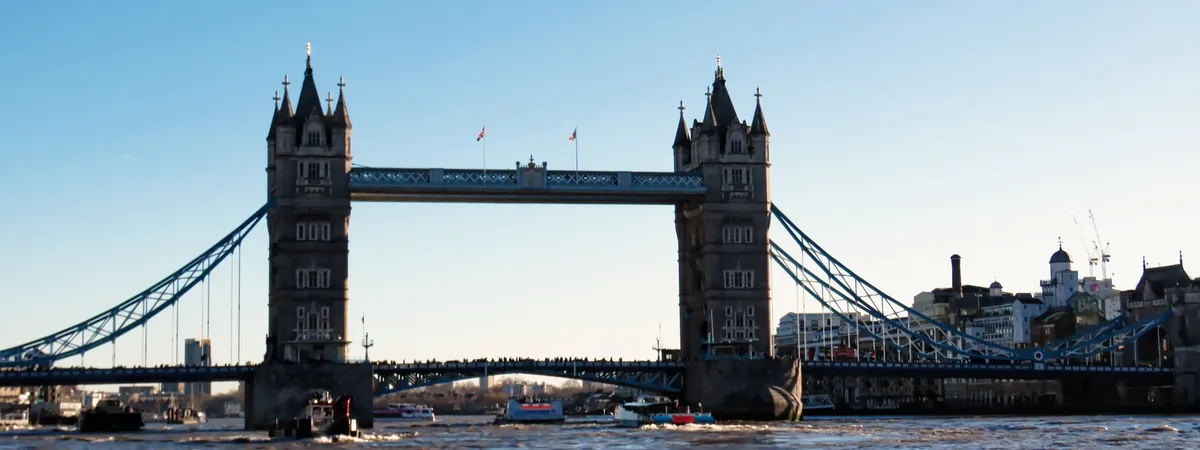
Acabashi / Wikimedia Commons, CC BY-SA 4.0
London
Best for: First-time visitors, Couples, Families, Luxury travelers, Architecture lovers, Nightlife

FEGreene / Wikimedia Commons, CC0
York
Best for: First-time visitors, Couples, Architecture lovers
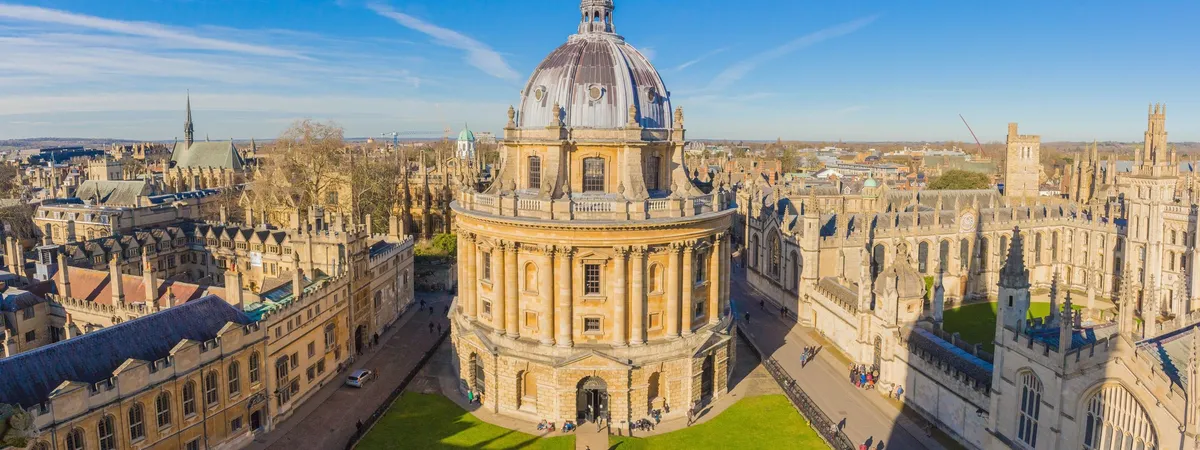
Zhushenje / Wikimedia Commons, CC BY-SA 4.0
Oxford
Best for: First-time visitors, Couples, Architecture lovers, Families
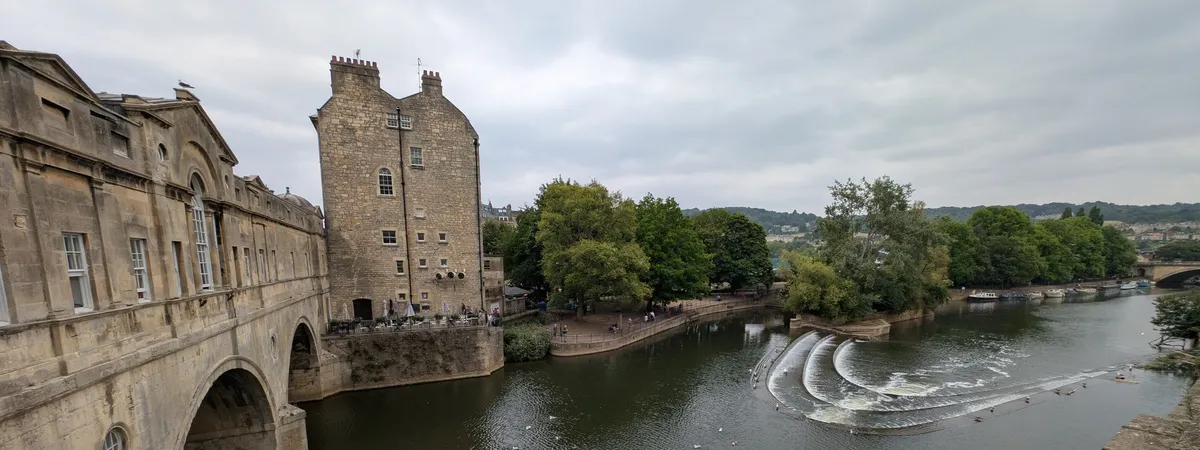
Andy Li / Wikimedia Commons, CC0
Bath
Best for: First-time visitors, Couples, Architecture lovers

Saffron Blaze / Wikimedia Commons, CC BY-SA 3.0
Edinburgh
Best for: First-time visitors, Couples, Architecture lovers, Nightlife
Tips
- Book long-distance train tickets in advance through the operator's own website or National Rail — walk-up fares on the day can cost several times more than an advance ticket for the same journey.
- Pack for rain regardless of season — a compact umbrella or waterproof layer is more useful than an umbrella-free itinerary based on the forecast alone.
- Many museums in London, including the British Museum, the National Gallery, and the Tate galleries, are free to enter — special exhibitions are the exception and usually need a paid, timed ticket.
Good to know
- The United Kingdom is made up of four constituent nations — England, Scotland, Wales, and Northern Ireland — each with its own distinct history and, for Scotland and Northern Ireland, some devolved government.
- London's Underground, opened in 1863, is the world's oldest metro system and still carries millions of passengers a day.
- Traffic in the UK drives on the left, one of a minority of countries worldwide to do so.
Frequently asked questions
- How do I get between UK cities?
- Train is usually the easiest option — London connects to Edinburgh, Bath, York, and Oxford by direct intercity rail, with journey times from about an hour (Oxford) to just over 4 hours (Edinburgh).
- Do I need to convert currency before arriving?
- Not really — cards are accepted almost everywhere, including on buses and the London Underground. It's still worth carrying a small amount of cash for smaller towns or cash-only stalls.
- Is the UK expensive to visit?
- London is one of the pricier European capitals, especially for hotels. Edinburgh, Bath, York, and Oxford are generally more affordable, though still not budget destinations by European standards.