Last updated July 10, 2026
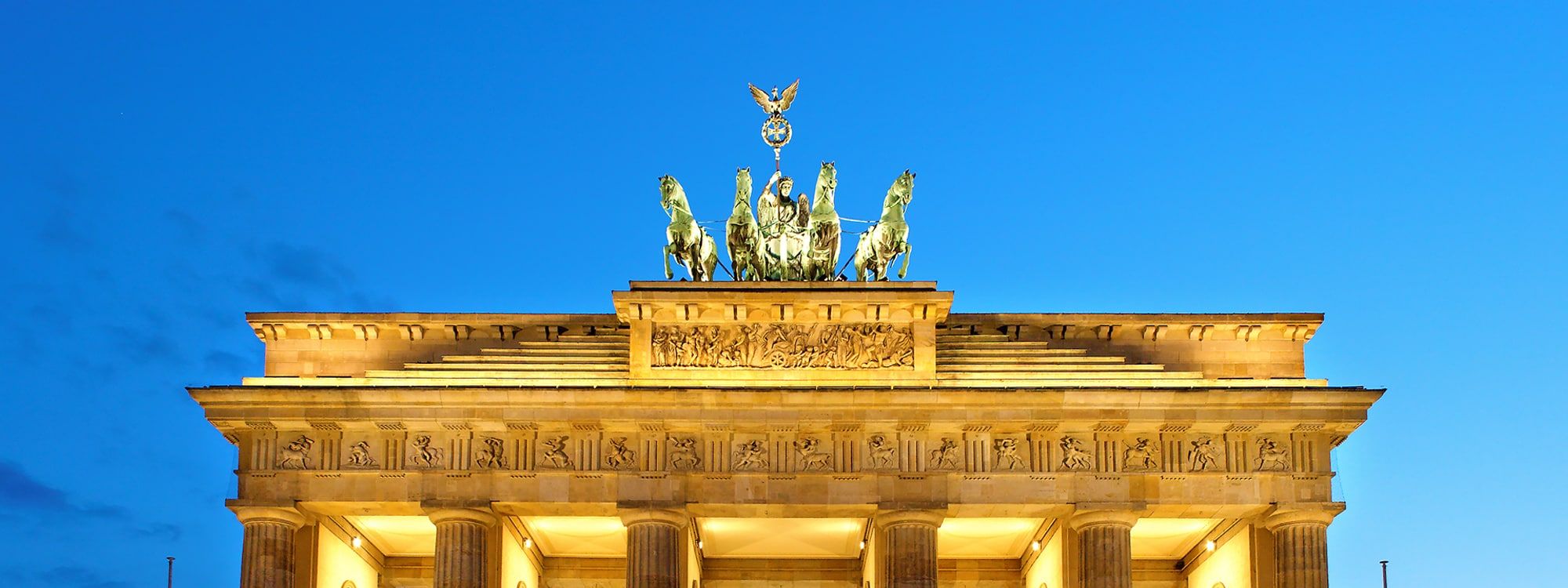
Thomas Wolf, www.foto-tw.de / Wikimedia Commons, CC BY-SA 3.0
Europe
Germany Travel Guide
Germany sits at the crossroads of Europe, and its cities reflect that — each one feels distinct rather than like a variation on the same theme. Berlin is raw and creative, still shaped by its Cold War past. Munich is polished and Alpine-adjacent, with beer gardens and a laid-back southern pace. Hamburg trades on its harbor and maritime history, Cologne on its cathedral and Rhineland warmth, and Dresden on a baroque old town rebuilt almost stone by stone after the war.
Quick facts
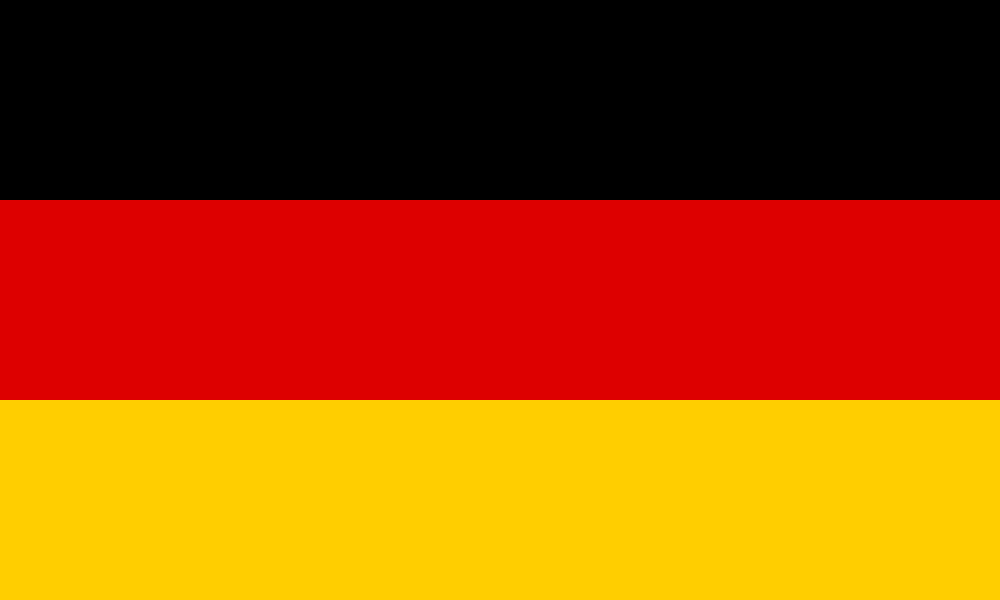
- Flag
- Germany
- Capital
- Berlin
- Language
- German
- Currency
- EUR (€)
- Timezone
- Central European Time (UTC+1, UTC+2 in summer)
- Calling code
- +49
- Driving side
- Right-hand side
Planning your trip
- Best time to visit
- Aim for late spring (May–June) or early fall (September–October). The weather is mild, days are long, and you'll miss both the winter cold and the crowds of the July–August peak. December has its own draw for Christmas markets, if you don't mind the chill.
- Good to know
- Germany uses the euro (€). Trains connect cities quickly and reliably in most regions, though delays are common enough that it's worth building in buffer time for connections. English is widely spoken in hotels, restaurants, and train stations in every major city. Many shops close on Sundays, so plan errands for the week.
Cities
Where to stay in each of Germany's cities — pick one below to see its best neighborhoods and hotels.
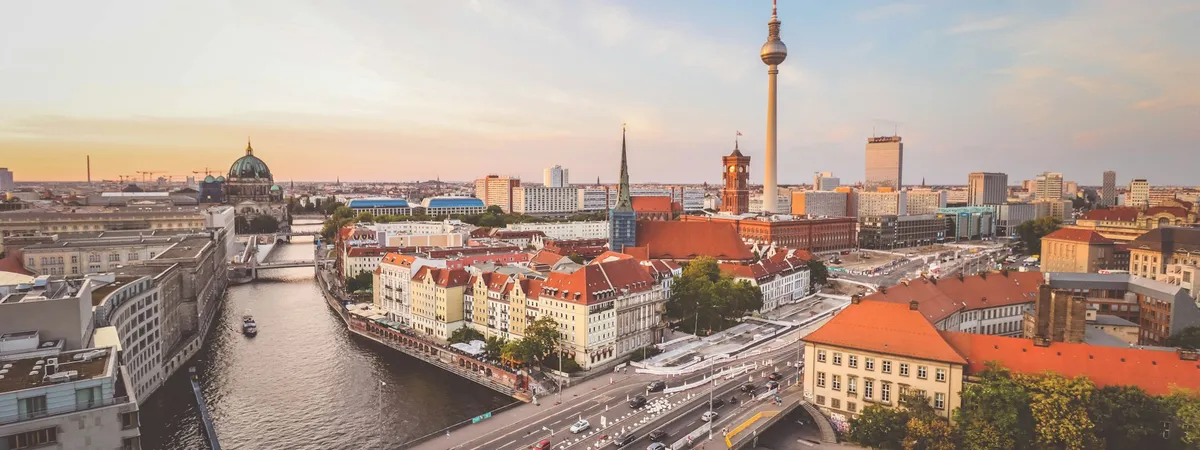
Berlin
Best for: First-time visitors, Couples, Families, Architecture lovers, Nightlife
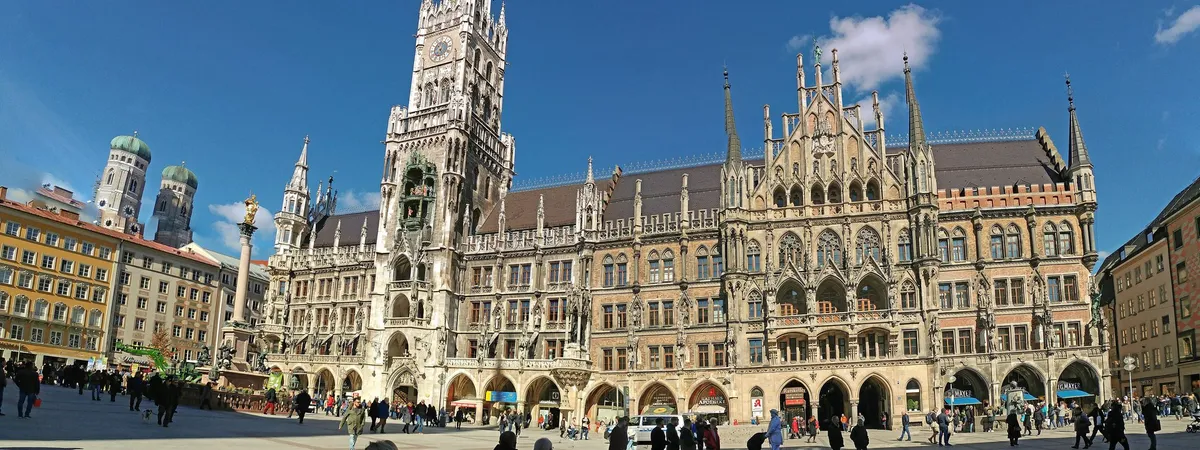
Guido Radig / Wikimedia Commons, CC BY 4.0
Munich
Best for: First-time visitors, Couples, Architecture lovers, Nightlife
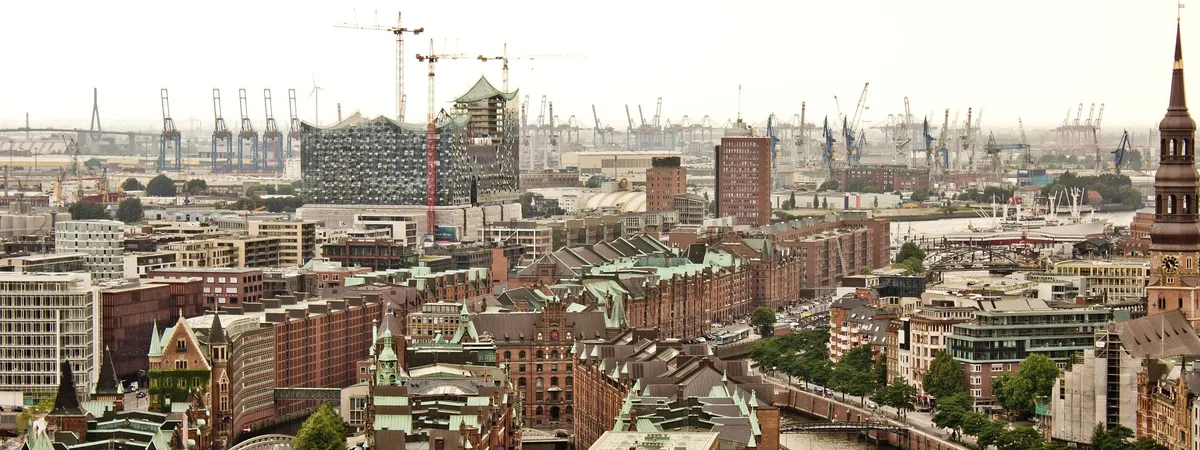
www.elbpresse.de / Wikimedia Commons, CC BY-SA 4.0
Hamburg
Best for: First-time visitors, Couples, Families, Architecture lovers, Nightlife
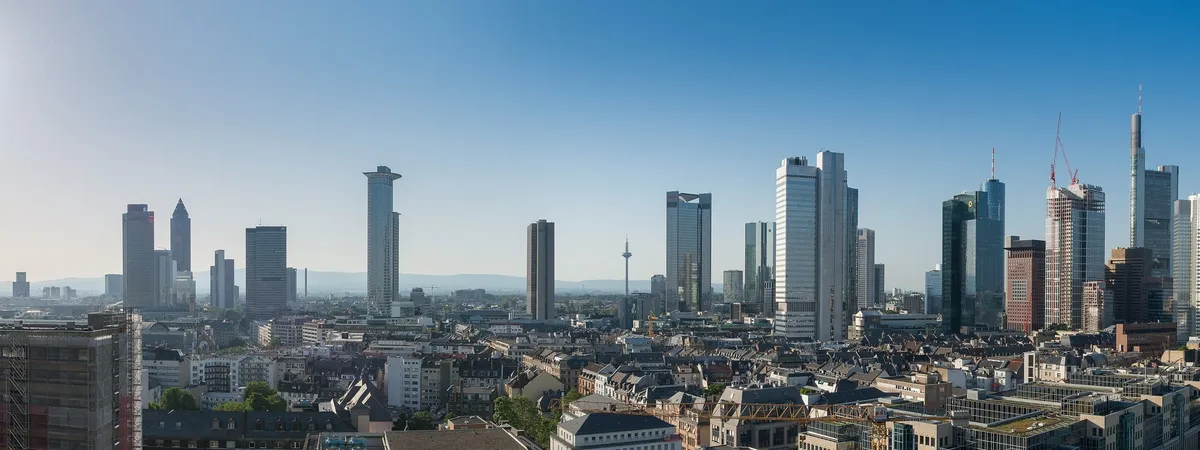
Epizentrum / Wikimedia Commons, CC BY-SA 3.0
Frankfurt
Best for: First-time visitors, Architecture lovers, Couples
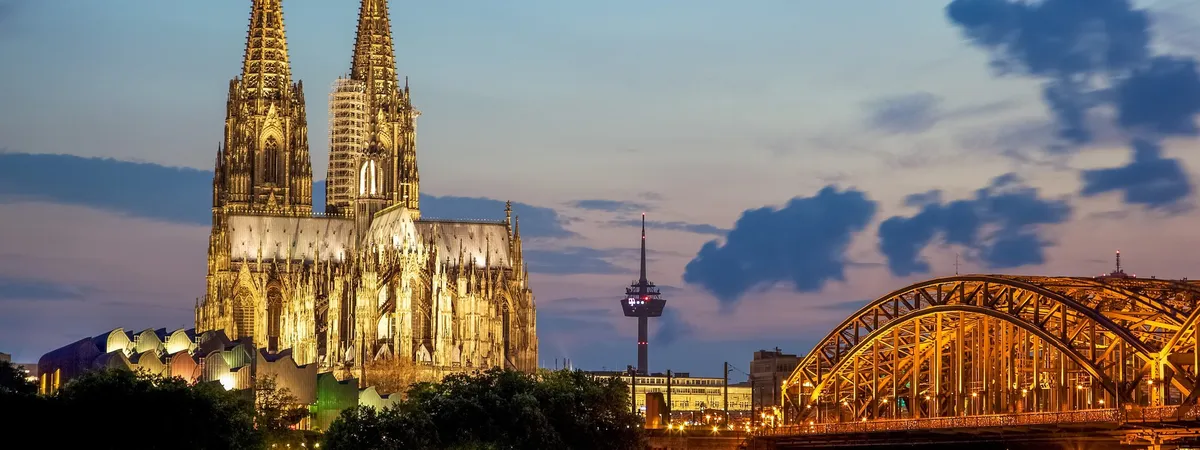
Jiuguang Wang, retouched by Georgfotoart / Wikimedia Commons, CC BY-SA 3.0
Cologne
Best for: First-time visitors, Couples, Families, Architecture lovers, Nightlife
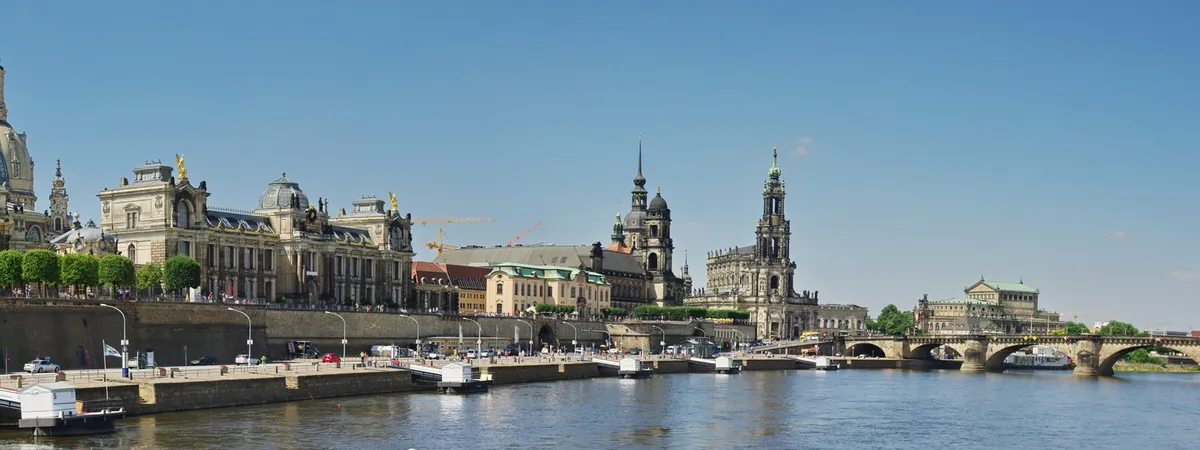
Bgabel / Wikimedia Commons, CC BY-SA 3.0
Dresden
Best for: First-time visitors, Architecture lovers, Couples
Tips
- Carry cash. Many small restaurants, cafés, and markets — especially outside the biggest cities — are still cash-only or prefer it over cards.
- Buy train tickets a few days ahead when you can. Deutsche Bahn's advance fares are considerably cheaper than tickets bought on the day.
- Jaywalking is taken seriously, especially in front of children — wait for the green light even when the street looks empty.
Good to know
- Germany has more than 20,000 castles, among the highest concentrations of any country in the world.
- The Autobahn has no general speed limit on many stretches, though posted limits apply near cities and construction.
- Christmas markets, or Weihnachtsmärkte, trace back to the 14th century and now run in nearly every German town each December.
Frequently asked questions
- What's the best way to travel between German cities?
- Take the train. Deutsche Bahn's ICE high-speed trains connect major cities in a few hours and drop you in the city center, skipping the airport hassle that flying involves.
- Do I need to speak German to visit?
- No. English is widely understood in hotels, restaurants, and train stations in the major cities, though a few basic German phrases go a long way in smaller towns.
- Is Germany expensive to visit?
- It's moderately priced by Western European standards — generally cheaper than Paris or London, with Munich and Hamburg running a bit higher than Berlin or Cologne.