Last updated July 20, 2026

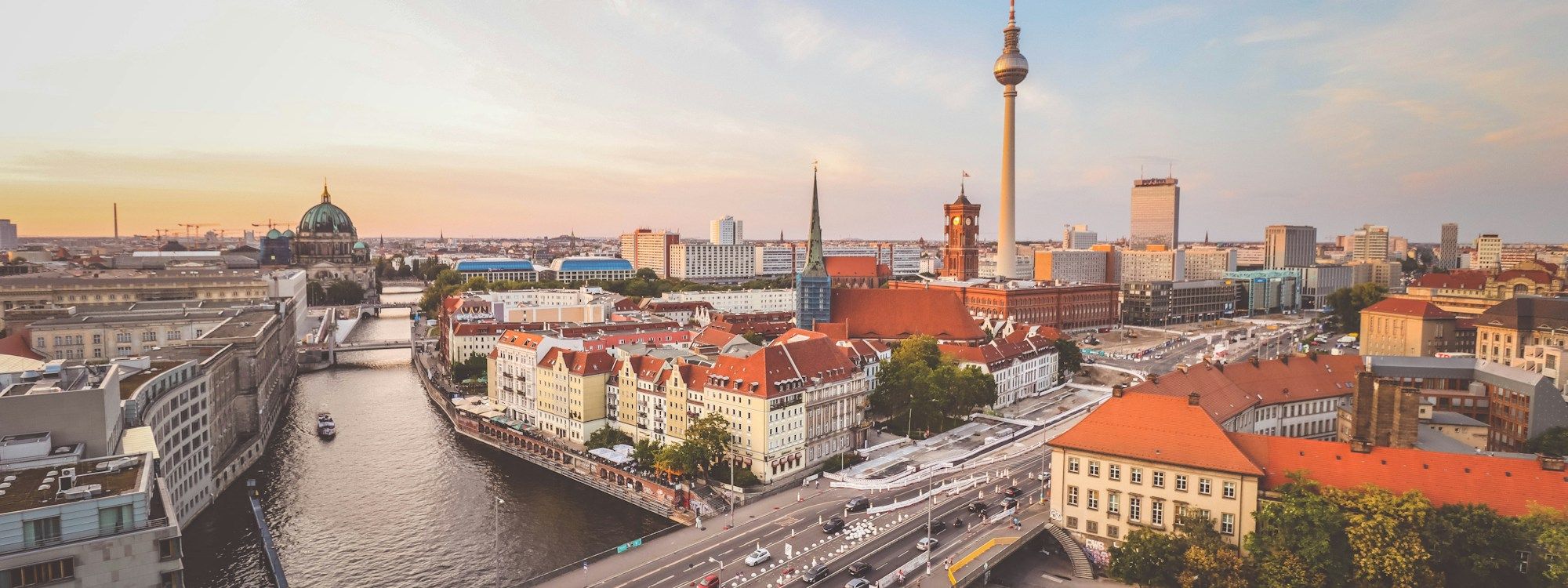
Golden-hour view over central Berlin from above, with the dome of Berlin Cathedral and the River Spree on the left and the red-brick Rotes Rathaus and Fernsehturm rising over Mitte

Germany

Where to Stay in Berlin

Berlin is a city built for wandering — its most famous sights, best food, and liveliest nightlife are spread across a handful of walkable neighborhoods rather than packed into one tourist core. History is everywhere: the Brandenburg Gate, the Reichstag, and long stretches of the Berlin Wall sit alongside a city that's rebuilt itself more than once. Spend a morning on Museum Island's UNESCO-listed collections, then head to a neighborhood market or beer garden in the afternoon — Berlin rewards slowing down as much as sightseeing.

Quick facts

Best time to visit
Visit in late spring (May–June) or early fall (September) for mild weather and long days without the peak summer crowds. Winter has its own appeal for Christmas markets in December, though days are short and cold.
Renting a car
Skip renting a car. Berlin is spread out but flat and well served by the U-Bahn and S-Bahn, and traffic and parking in the center are more hassle than they're worth.

Where to stay

Compare neighborhoods

AreaBest forAdvantageTrade-off
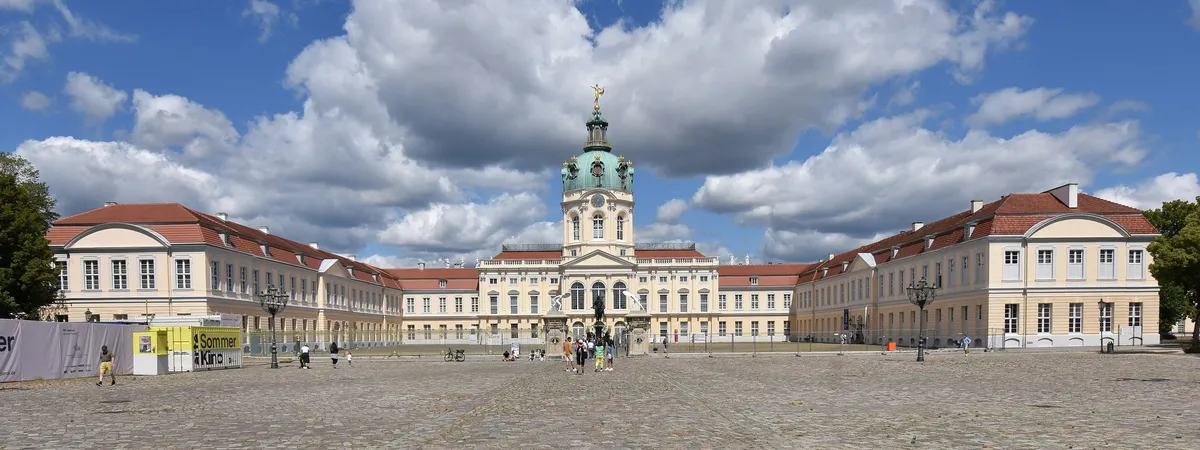
CharlottenburgLuxury travelersBerlin's most polished, upscale neighborhood, with excellent shopping and dining.The farthest of Berlin's main tourist neighborhoods from Museum Island and the eastern old town.
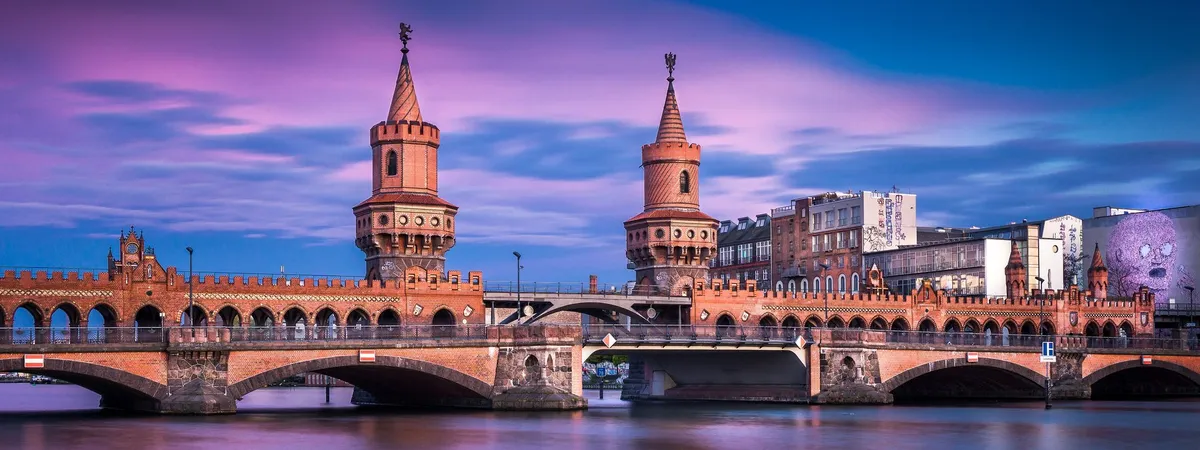
KreuzbergNightlifeBerlin's best nightlife and street food scene, with real neighborhood grit.Noisy after dark near its bar and club strips — not the choice for an early night.
MitteFirst-time visitorsNowhere in Berlin puts more major sights within walking distance.Feels more like a sightseeing district than a neighborhood, especially near the biggest landmarks.
Prenzlauer BergFamiliesThe most residential, café-and-park neighborhood feel of Berlin's main tourist neighborhoods.A metro ride from Berlin's major historical sights rather than walking distance.

Our picks for Berlin

A handful of editorial calls across every neighborhood above, not just the highest star rating — see each hotel's own card further down for the full case for and against it.

A couple of hotels in Charlottenburg

Charlottenburg is the top-recommended area to stay in Berlin.

KPM Hotel & Residences Berlin, a Member of Design Hotels

★★★★★
  • ✨ Best luxury

Our take One of Berlin's more distinctive luxury stays — built around a working porcelain manufactory's own history rather than a generic 5-star template.

Highlights

  • Set within the historic KPM porcelain manufactory's grounds, with real craft heritage on site
  • Spacious, design-forward rooms and suites
  • A short walk from the Tiergarten park

What to know

  • Sits closer to the Tiergarten than to Charlottenburg's Kurfürstendamm shopping strip or the palace itself
  • Priced at the top of the market, in line with its 5-star, design-hotel positioning
Check availability on Booking.com

Hotel Art Nouveau am Kurfürstendamm

★★★
  • 💰 Best value

Our take Genuinely dependable quality for a simple, individually furnished 3-star this close to the Ku'damm, at well under the area's going rate.

Highlights

  • A few minutes' walk from the Kurfürstendamm and Savignyplatz
  • Individually furnished rooms with antiques and high ceilings, not a repeated chain layout

What to know

  • A small property — book ahead in peak season
  • A simple 3-star hotel rather than a full-service property; don't expect a gym or restaurant on site
Check availability on Booking.com

Useful travel information

Germany uses the euro. Berlin's U-Bahn and S-Bahn trains run late and cover the whole city — a day or weekly transit pass is usually cheaper than single tickets if you're moving around a lot. Many small shops and older cafés are still cash-preferred, so carry some. Sundays are quiet: most shops close, though restaurants, museums, and Berlin's famous Sunday flea markets stay open.

Tips

  • Buy a day ticket (Tageskarte) for transit zone AB — it covers almost everything visitors need and pays for itself after three or four rides.
  • Stamp paper transit tickets at the platform machine before boarding. Plainclothes inspectors do check, and there's a fine for an unstamped ticket even if you already paid for it.

Frequently asked questions

How many days do you need in Berlin?
Three to four days covers the highlights — Museum Island, the Brandenburg Gate area, and one or two neighborhood days in Kreuzberg or Prenzlauer Berg. Add a day if you want a side trip to Potsdam.
Is Berlin walkable?
Each central neighborhood is easy to explore on foot, but Berlin itself is spread out — you'll want the U-Bahn or S-Bahn to move between areas rather than walking across the whole city.