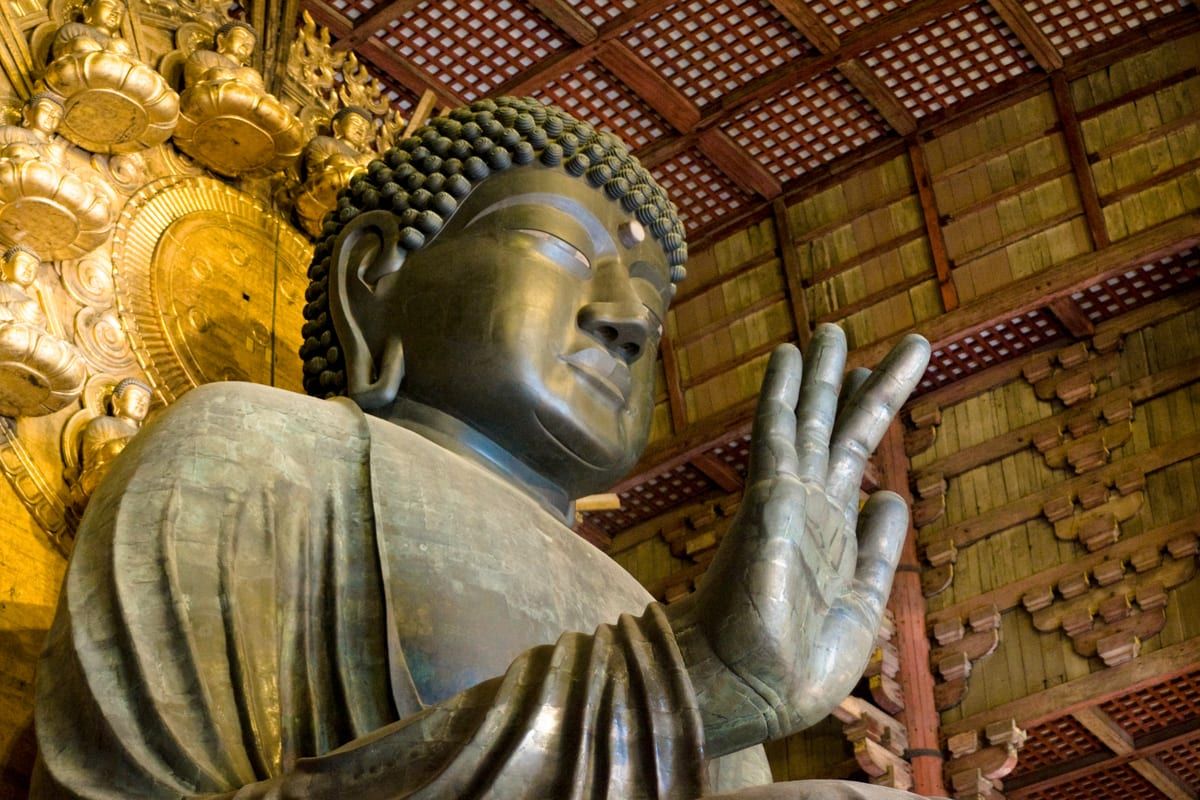
The wooden Great Buddha Hall of Tōdai-ji temple in Nara

Mstyslav Chernov/Unframe / Wikimedia Commons, CC BY-SA 3.0

Japan

Where to Stay in Nara

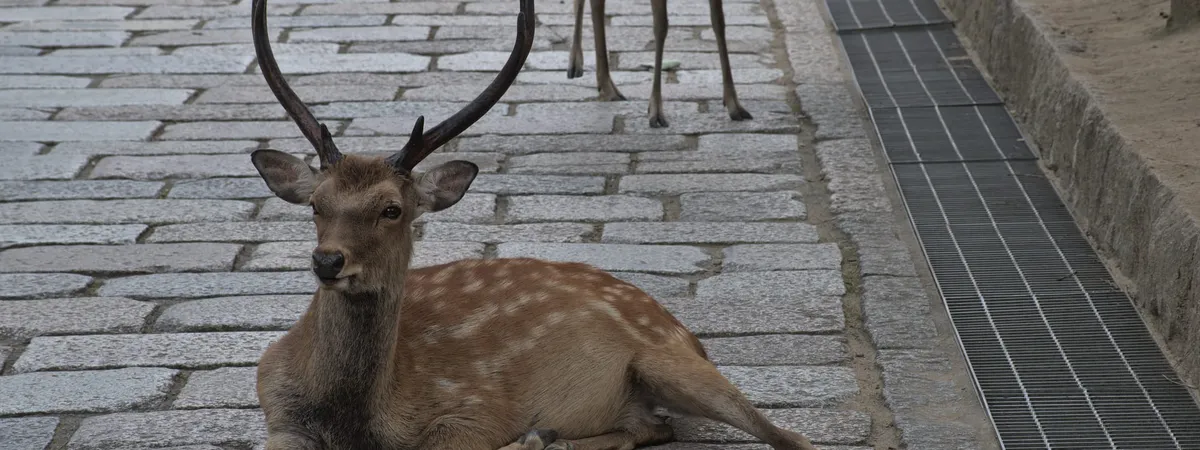
Nara was Japan's first permanent capital, and it's small enough to see its biggest sights on foot in a day or two. Nara Park's free-roaming deer are the city's best-known draw, but Todai-ji's Great Buddha Hall and the historic Naramachi merchant district give it real depth beyond the photo opportunity. Many visitors see Nara as a day trip from Kyoto or Osaka, but staying overnight means having the park to yourself before the tour buses arrive. Don't miss Todai-ji's Great Buddha, one of the largest bronze Buddha statues in the world, housed in what's still among the largest wooden buildings anywhere.

Quick facts

Best time to visit
Visit in spring (April) for cherry blossoms in Nara Park or fall (November) for autumn foliage. Summer is hot and humid; winter is cold but quiet, with far fewer day-trippers.
Renting a car
Skip renting a car. Nara Park and Naramachi are compact and walkable, and parking near the park fills up quickly on weekends and in peak season.

Where to stay

Best for families, thanks to the open space and deer in Nara Park, and travelers who want a calm, walkable base at a lower cost than Kyoto or Osaka.

Our picks for Nara

A handful of editorial calls across every neighborhood above, not just the highest star rating — see each hotel's own card further down for the full case for and against it.

A couple of hotels in Naramachi & Nara Park

Naramachi & Nara Park is the top-recommended area to stay in Nara.

Kazeno Naramachi

★★★★

Our take A different kind of stay from Nara's larger hotels — a genuinely old building turned into a small, carefully restored guesthouse right in Naramachi's lanes.

Good for

  • Couples
  • Architecture lovers
  • Luxury travelers

Couples who want a quiet, design-conscious stay inside Naramachi's old machiya streets rather than a standard hotel room.

Why we like it

  • Set inside a restored former sake brewery, with much of the original wooden structure kept intact
  • Right in Naramachi, an easy walk to its old streets, cafés, and craft shops
  • Only a handful of rooms, each built around the building's original layout and courtyards
  • A quieter, more residential feel than staying near Nara Park's main gates

What to know

  • Very few rooms, so it books out well in advance, especially on weekends
  • Being an old building converted for hotel use, some rooms are reached via stairs with no elevator
Check availability on Booking.com

Sarusawaike Yoshidaya

★★★★

Our take A modest, traditional counterpoint to the area's grander hotels — a small family-run ryokan right on Sarusawa Pond, at a fraction of the price of Naramachi's boutique and heritage stays.

Good for

  • Budget travelers
  • First-time visitors

Travelers who want an affordable, traditional ryokan stay steps from both Nara Park and Naramachi's old streets, rather than a Western-style hotel room.

Why we like it

  • Sits directly on Sarusawa Pond, right where Nara Park meets Naramachi's old streets — an easy walk to both
  • Traditional tatami-mat rooms with futon bedding, and a handful of rooms with private pond-view baths
  • A noticeably lower price point than the area's other recommended hotels
  • Small and family-run, with a more personal feel than a standard hotel

What to know

  • Traditional ryokan-style rooms — futons on tatami mats rather than Western beds, which won't suit every traveler
  • Only around two dozen rooms, so it can book out early during cherry blossom and autumn foliage season
Check availability on Booking.com

Useful travel information

Japan uses the yen. Nara's main sights are walkable from JR Nara or Kintetsu Nara stations, and a Suica, Pasmo, or local Icoca IC card works on trains to and from Kyoto or Osaka.

Tips

  • Buy shika senbei (deer crackers) from a park vendor if you want to feed the deer — some will bow for a cracker, but keep food out of sight otherwise, as they can nip or nudge for it.
  • Stay overnight rather than day-tripping if you can — Nara Park is far quieter in the early morning and evening than during midday tour-bus hours.

Frequently asked questions

Is Nara worth an overnight stay, or just a day trip?
Both work, but staying overnight lets you see Nara Park before the day-trip crowds arrive, and gives you time for Todai-ji, Kasuga Shrine, and Naramachi without rushing.
How far is Nara from Kyoto and Osaka?
About 45 minutes from Kyoto and 35–40 minutes from Osaka by direct train, making it an easy add-on to either city.