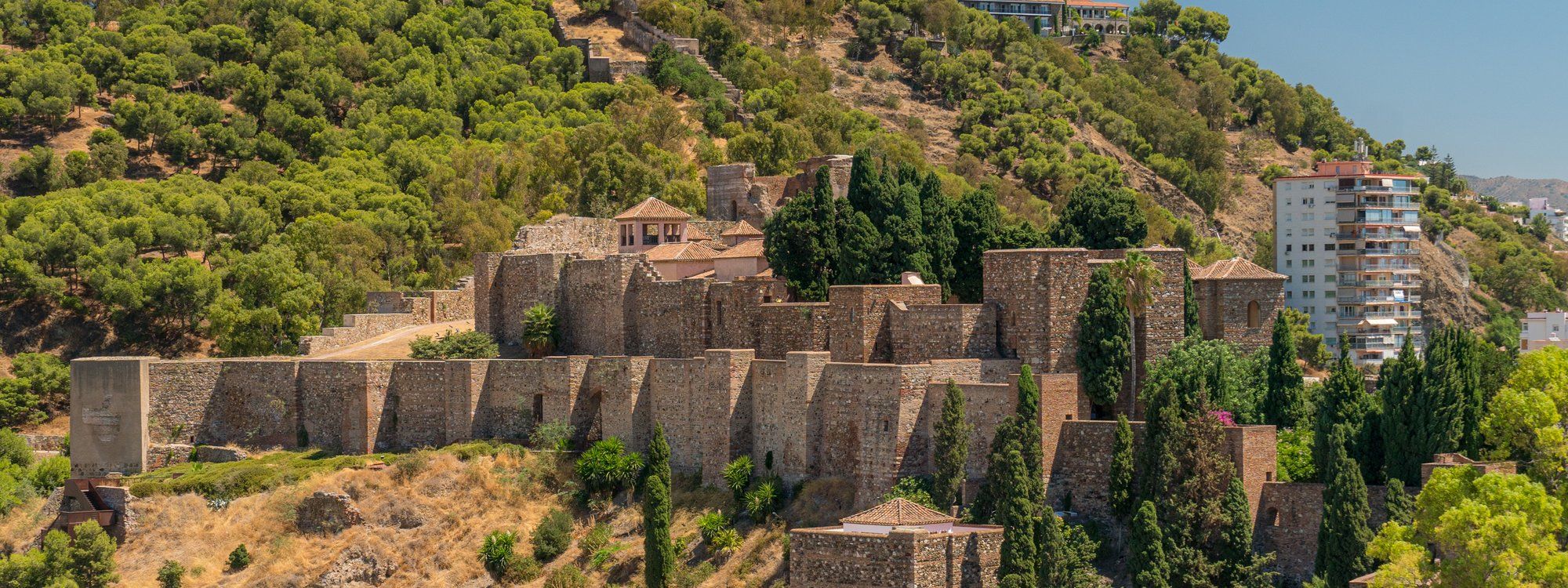

The Alcazaba fortress on its hillside above Málaga's old town, with the Gibralfaro castle walls visible on the summit behind it

Fernando / Wikimedia Commons, CC BY-SA 4.0

Spain

Where to Stay in Málaga

Málaga is the capital of the Costa del Sol, a working port city that spent decades as the airport everyone flew into on the way somewhere else along the coast before becoming a destination in its own right. Picasso was born here in 1881, and the city has leaned into that legacy hard, opening the Museo Picasso Málaga in 2003 and drawing a growing run of other museums and galleries since. The old town sits between two Moorish-era hilltop fortifications, the Alcazaba and the Castillo de Gibralfaro, with a Roman theatre at the Alcazaba's foot and a 16th-century cathedral — locally nicknamed La Manquita, "the one-armed lady," for its unfinished second tower — anchoring the streets below. A palm-lined seafront promenade connects the old town to La Malagueta beach and the modernized port, where the Centre Pompidou Málaga, a satellite of the Paris museum, opened in a glass cube on the harborfront in 2015.

Quick facts

Best time to visit
Visit in April–June or September–October. Daytime temperatures in these months run 20–27°C, sea temperatures are warm enough to swim, and hotel prices sit well below summer peaks. July and August average 29–31°C with almost no rain and the city fills with domestic and international beach tourists, so the old town and La Malagueta get genuinely crowded. Winter (December–February) is mild by northern European standards, around 14–17°C by day, and Málaga gets roughly 300 days of sunshine a year, but November and December bring the most rain.
Renting a car
Skip a car if you're staying in the center, Soho, or La Malagueta — all three are flat, walkable, and connected by the seafront promenade, and old-town streets are narrow with very limited and expensive parking. A car earns its keep only for day trips along the Costa del Sol or inland to towns like Ronda or Antequera; rent one for those specific days and return it rather than keeping it for the whole stay.

Where to stay

Compare neighborhoods

AreaBest forAdvantageTrade-off
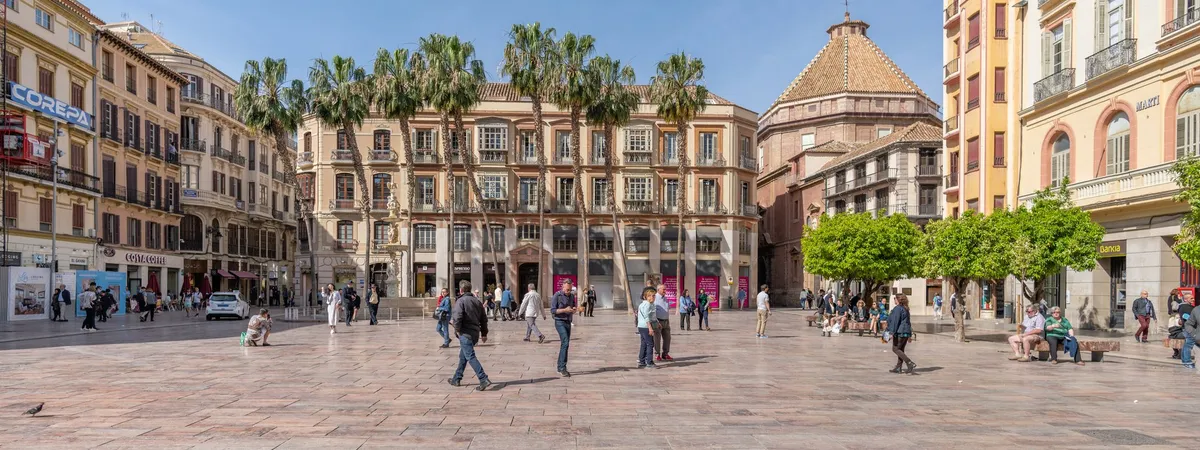
Málaga Centro HistóricoFirst-time visitorsThe shortest possible walk to the cathedral, Alcazaba, Roman theatre, and Picasso Museum — you can see Málaga's core sights without a single bus or taxi.The busiest, most tourist-dense part of the city, with daytime crowds on Calle Larios and around Plaza de la Constitución that some visitors will find overwhelming.
SohoCouplesA five-to-ten-minute walk from both the old town and La Malagueta beach, with a genuinely distinct identity built around contemporary art and street murals rather than historic sights.Some streets sit on the edge of the Alameda Principal's traffic noise, and the area's restaurant and bar scene means street-facing rooms can stay noisy later than in quieter parts of the center.
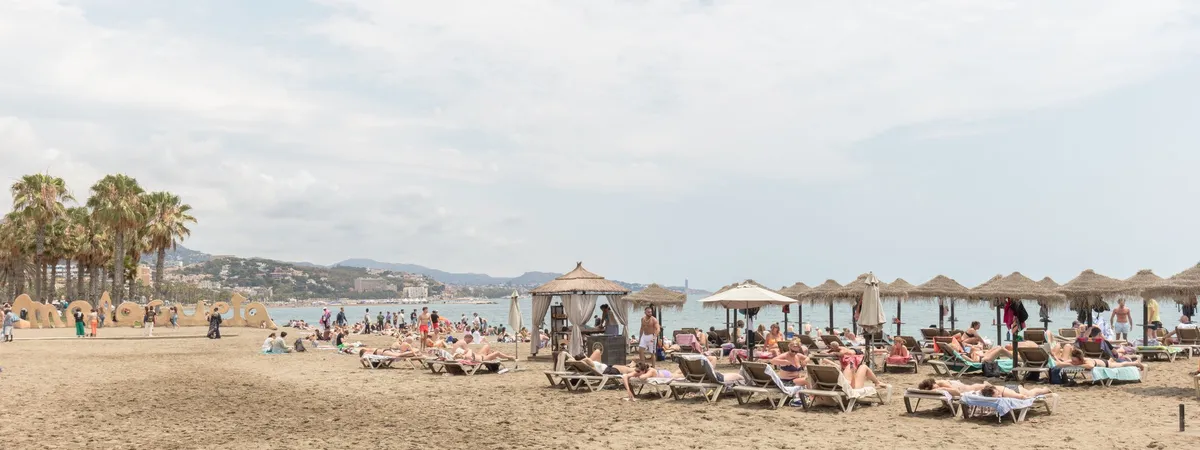
La MalaguetaBeach timeA real sand beach and seafront promenade within a 15–20 minute walk of the cathedral and old town, in a lived-in residential neighborhood rather than a resort development.Fewer hotels than the center or Soho, with prices that climb noticeably in July and August, and a beach-driven atmosphere that quiets down considerably outside the warmer months.

Our picks for Málaga

A handful of editorial calls across every neighborhood above, not just the highest star rating — see each hotel's own card further down for the full case for and against it.

A couple of hotels in Málaga Centro Histórico

Málaga Centro Histórico is the top-recommended area to stay in Málaga.

Petit Palace Plaza Málaga

★★★★
  • 💰 Best value

Our take The strongest value pick in Málaga's historic center — a comfortable, well-located 4-star stay that costs meaningfully less than its Calle Larios neighbors.

Good for

  • First-time visitors

Travelers who want a central, well-run hotel at a noticeably lower price than the area's boutique options, without giving up a genuine walk-everywhere location.

Why we like it

  • A pedestrian street around the corner from Calle Larios, directly opposite the cathedral and next to the Carmen Thyssen Museum
  • 66 rooms in an early-20th-century building with a more contemporary, functional design than the area's period boutique hotels
  • Consistently rated highly for value for money alongside a genuinely central location
  • Part of the reliable Petit Palace chain, so service and room standards are predictable across the property

What to know

  • Rooms are on the smaller side, in keeping with the historic building's original floor plan
Check availability on Booking.com

Hotel Don Curro

★★★
  • 🧭 Best for first-time visitors

Our take A dependable, larger-scale option for the historic center — less design-driven than the area's boutique hotels, but a genuinely comfortable base at a noticeably friendlier price.

Good for

  • Budget travelers
  • First-time visitors

First-time visitors and budget-conscious travelers who want a comfortable, no-surprises hotel within easy walking distance of the cathedral, the Picasso Museum, and the Alcazaba.

Why we like it

  • A 5-minute walk from both the Picasso Museum and the cathedral, with the Alcazaba about 10 minutes further
  • 118 rooms and a full-service restaurant give it more flexibility and space than most nearby boutique alternatives
  • Consistently strong marks for cleanliness and staff across a large volume of stays
  • A noticeably lower price point than Calle Larios's boutique hotels, without moving outside the historic center

What to know

  • The building and rooms are more functional than design-forward — a good fit if location and value matter more to you than décor
Check availability on Booking.com

Useful travel information

Spain uses the euro. Málaga-Costa del Sol Airport sits about 8km southwest of the center; the C1 Cercanías train reaches Málaga Centro-Alameda station in about 12 minutes for €1.80 and is the fastest way in, since the platform is a 2–3 minute walk from the arrivals hall. A taxi takes 15–20 minutes and costs roughly €20–25 by day (more at night, weekends, and holidays) including the fixed airport surcharge. The historic center, Soho, and La Malagueta are all flat and walkable, connected by a single palm-lined seafront promenade, so most visitors don't need public transport beyond the airport transfer. Pickpocketing is the main practical risk in crowded stretches of the center and on the beach — keep bags zipped and don't leave belongings unattended on the sand.

Tips

  • Take the C1 Cercanías train from the airport rather than a taxi if you're not weighed down with luggage — it's a third of the price, skips road traffic entirely, and the Centro-Alameda stop is about 500 meters from Calle Larios.
  • Buy Alcazaba and Gibralfaro tickets together — a combined ticket covers both and costs less than visiting each separately, and the walk between them takes you past the Roman theatre at no extra charge.
  • The Picasso Museum and the Centre Pompidou Málaga both close on Tuesdays (the Pompidou also closes some Mondays) — check opening days before building a museum-heavy itinerary.

Frequently asked questions

Where should first-time visitors stay in Málaga?
Stay in the historic center for the shortest walk to the cathedral, Alcazaba, and Picasso Museum, or in Soho if you want to be close to the old town and the beach with a livelier restaurant and nightlife scene. La Malagueta suits travelers who want to wake up near the sand and don't mind a slightly longer walk into the old town.
Is Málaga walkable?
Yes — the historic center, Soho, and La Malagueta are all flat and connected by a single seafront promenade, so most visitors get around entirely on foot. A car is more of a liability than a help unless you're using it for day trips outside the city.
How do I get from Málaga airport to the city center?
The C1 Cercanías train is the fastest and cheapest option, reaching Málaga Centro-Alameda in about 12 minutes for €1.80, with the platform just outside the arrivals hall. A taxi takes 15–20 minutes and costs roughly €20–25 during the day.
Is Málaga good for a beach vacation?
It works well for a city trip with beach time built in — La Malagueta is a real sand beach within walking distance of the old town — but it's more urban than the resort towns further along the Costa del Sol. If a quieter, purely beach-focused stay is the priority, towns like Marbella or Nerja are worth considering instead.