Last updated August 2, 2026
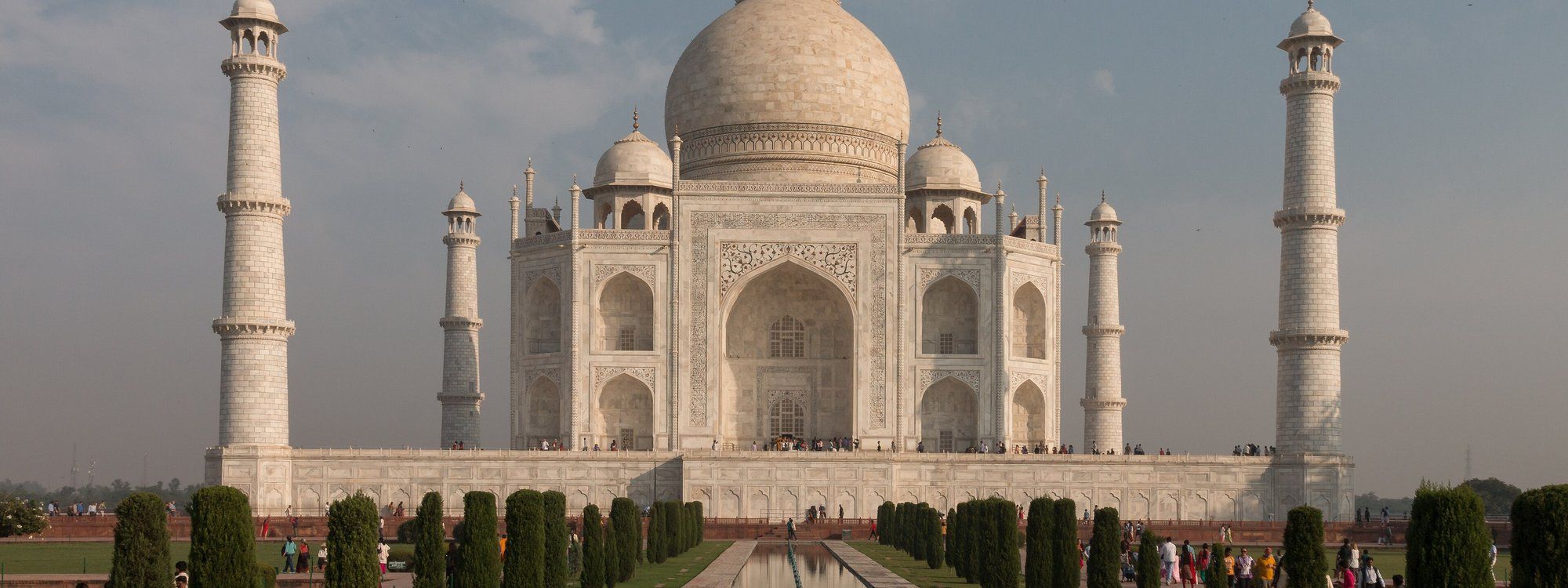
Almbauer / Wikimedia Commons, CC0
Asia
India Travel Guide
India is vast, and every region feels like its own country — desert forts in Rajasthan, Mughal marble in Agra, packed bazaars and colonial-era boulevards in Delhi, Bollywood energy and seafront promenades in Mumbai, and palm-lined beaches in Goa. Most first-time visitors build a trip around the Golden Triangle of Delhi, Agra, and Jaipur, plus Mumbai and Goa.
Quick facts
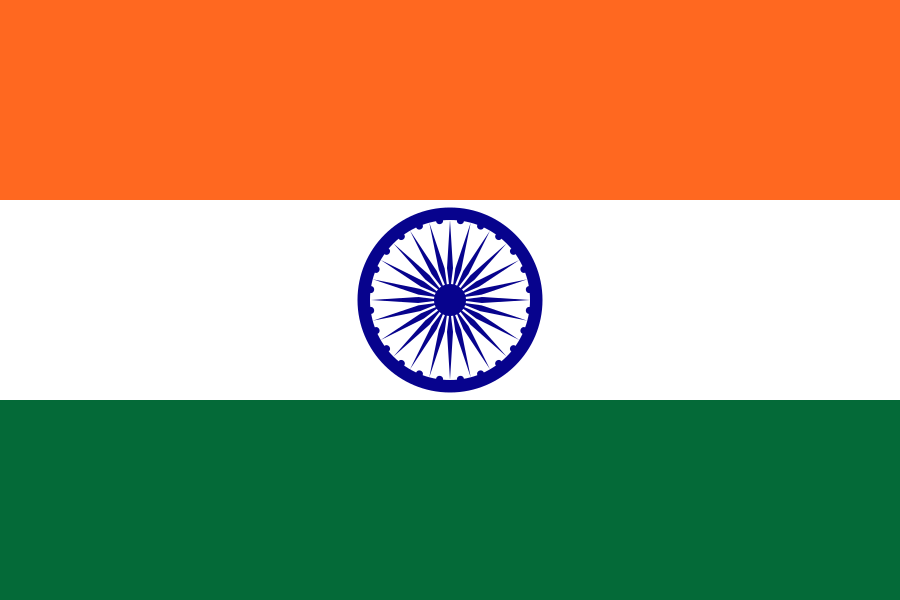
- Flag
- India
- Capital
- New Delhi
- Language
- Hindi, English
- Currency
- INR (₹)
- Timezone
- India Standard Time (UTC+5:30)
- Calling code
- +91
- Driving side
- Left-hand side
Expect color, noise, and constant movement — street food stalls next to centuries-old monuments, auto-rickshaws weaving through traffic, and hospitality that shows up in small, unexpected ways. It rewards visitors who come with a flexible schedule and a sense of humor about the occasional chaos.
Planning your trip
- Best time to visit
- Aim for October to March, when most of the country is warm and dry rather than monsoon-soaked or scorching. December and January get genuinely cold at night in Delhi, Agra, and Jaipur, so pack layers. April through June is very hot across the north, and the monsoon (roughly June–September) brings heavy rain to most of the country, including Goa.
- Good to know
- India uses the rupee (₹). English is widely spoken in hotels, airports, and tourist sites, alongside Hindi and dozens of regional languages. Traffic is dense and rules are loosely followed, so budget extra time for road travel between sights. Tipping isn't mandatory but is common and appreciated for hotel staff, drivers, and guides — rounding up or leaving small notes is standard.
Cities
Where to stay in each of India's cities — pick one below to see its best neighborhoods and hotels.
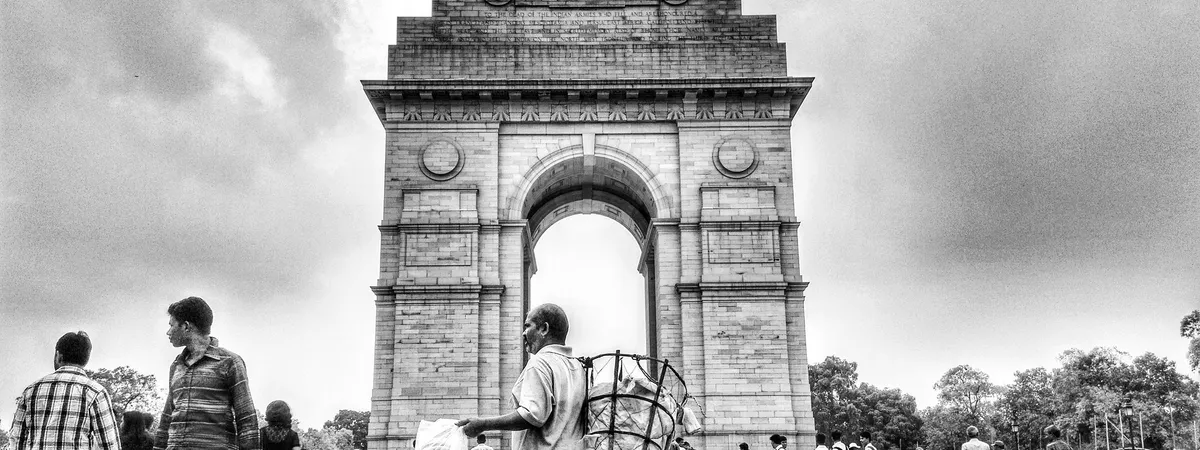
Madrishh / Wikimedia Commons, CC BY-SA 4.0
Delhi
Best for: First-time visitors, Architecture lovers, Budget travelers
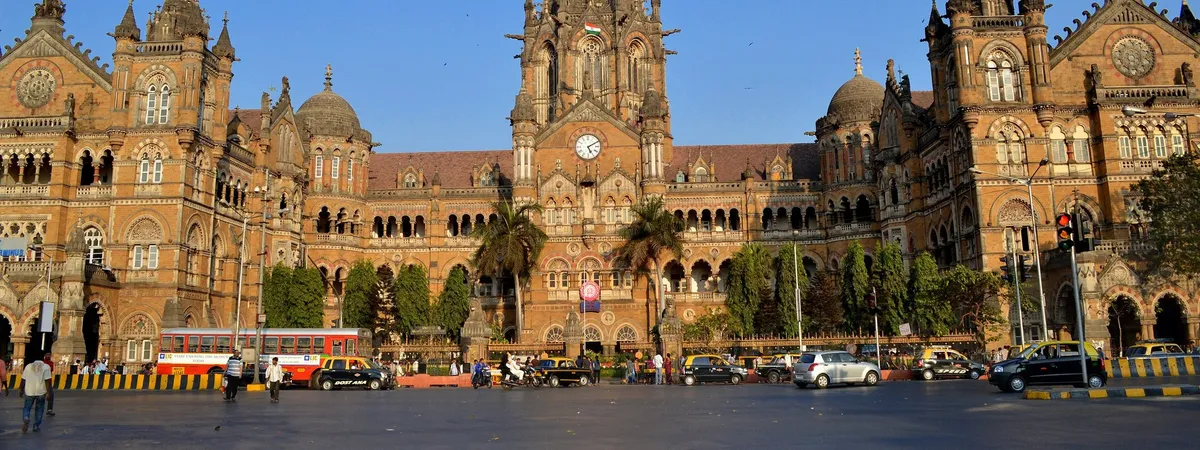
Anoop Ravi / Wikimedia Commons, CC BY-SA 3.0
Mumbai
Best for: First-time visitors, Nightlife, Architecture lovers
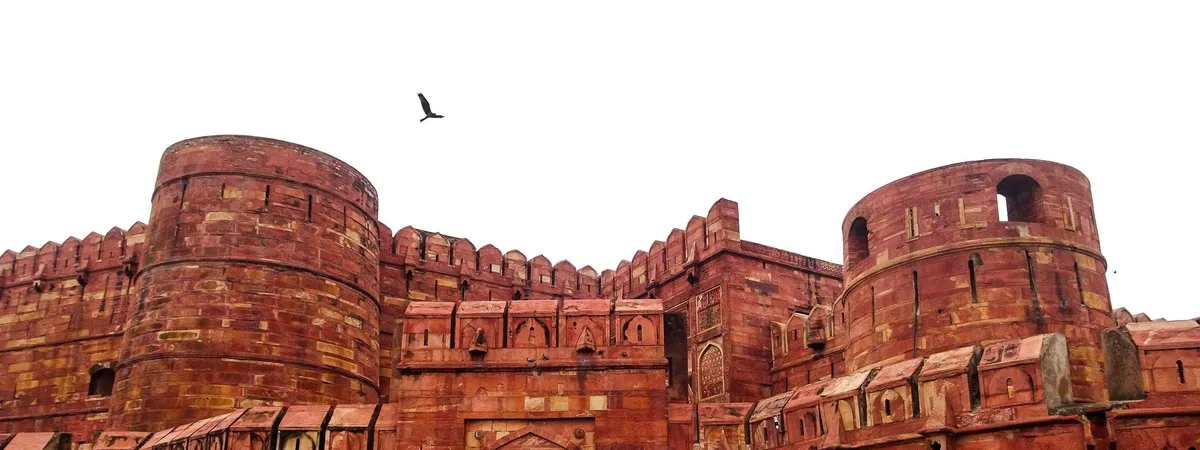
Avijitdphy3 / Wikimedia Commons, CC BY-SA 4.0
Agra
Best for: First-time visitors, Architecture lovers, Couples
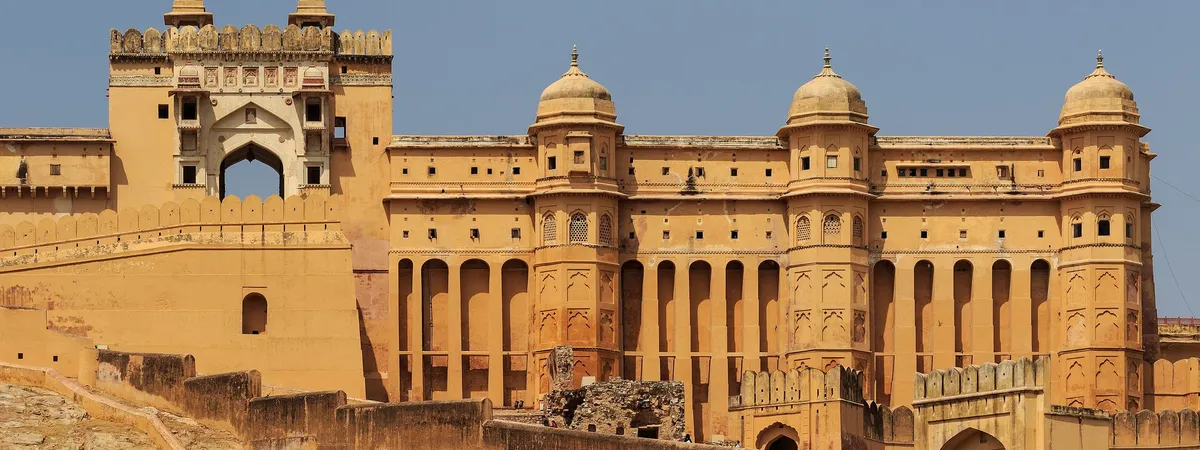
A.Savin / Wikimedia Commons, Free Art License 1.3
Jaipur
Best for: First-time visitors, Architecture lovers, Couples

Navneet Sharma / Wikimedia Commons, CC BY-SA 4.0
Udaipur
Best for: Couples, Architecture lovers
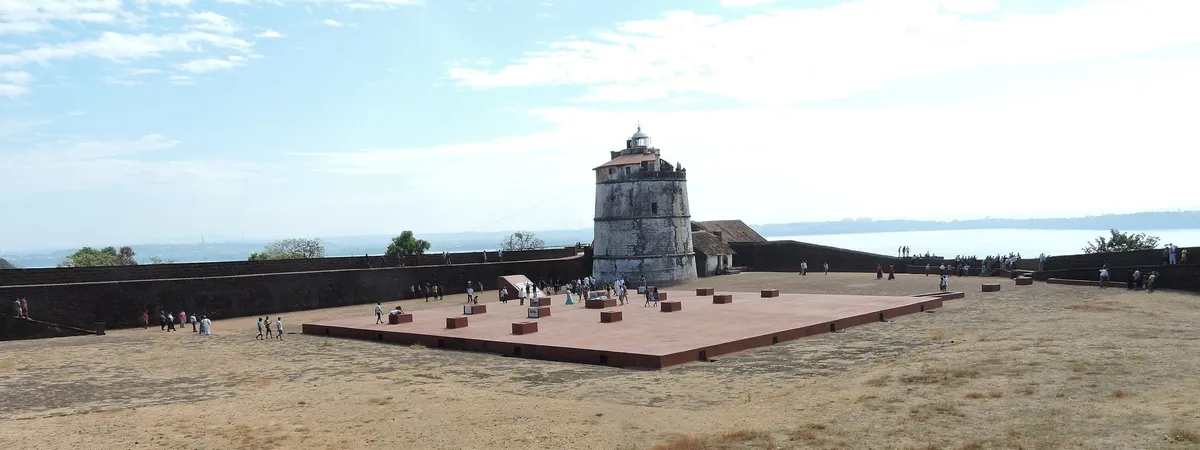
Harvinder Chandigarh / Wikimedia Commons, CC BY-SA 4.0
Goa
Best for: Beach time, Nightlife, Couples
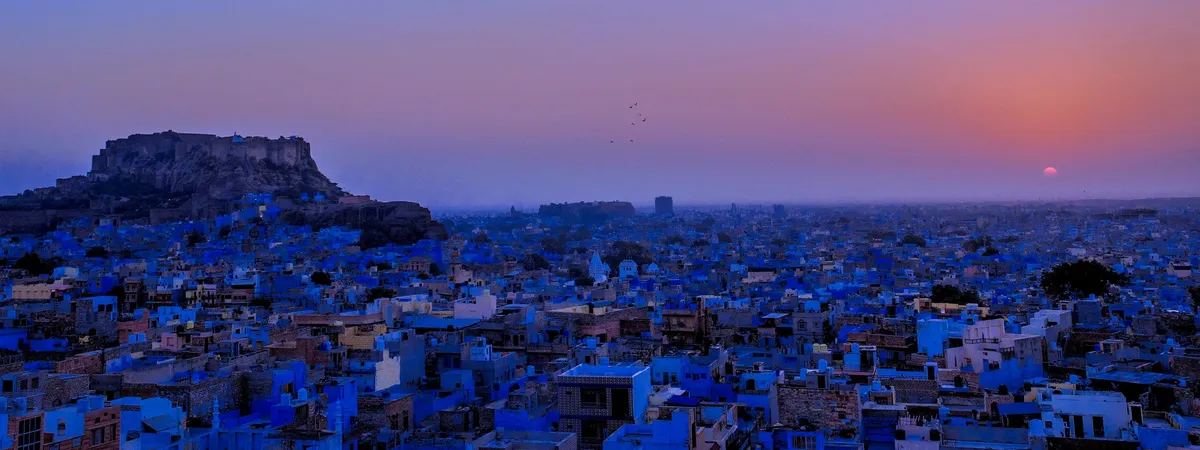
Manish Kachhawaha / Wikimedia Commons, CC BY-SA 4.0
Jodhpur
Best for: Architecture lovers, First-time visitors
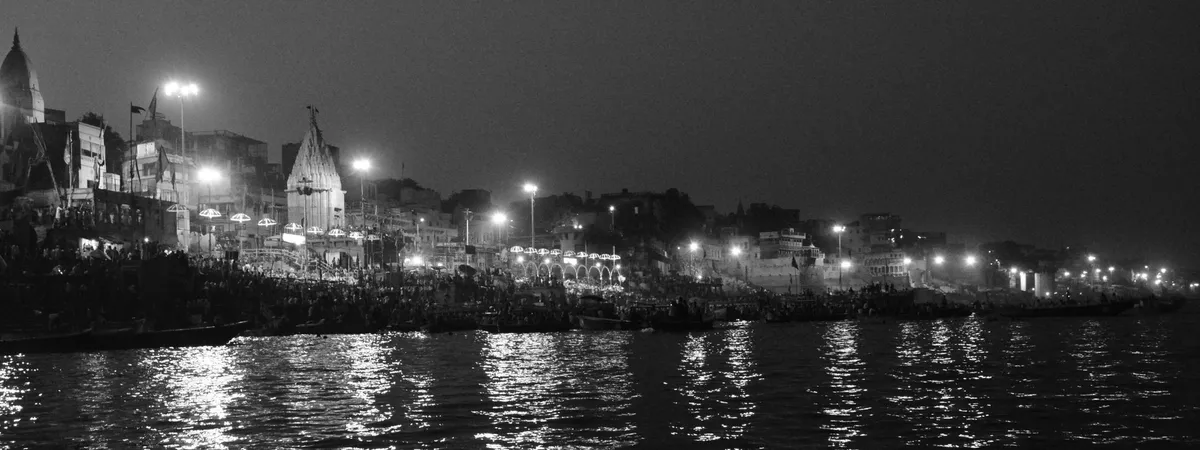
Anil Kumar Mahakur / Wikimedia Commons, CC BY-SA 4.0
Varanasi
Best for: Architecture lovers, First-time visitors
Tips
- Domestic flights are often faster and not much pricier than long train or road journeys between India's main tourist cities — Delhi to Mumbai, for instance, is about a two-hour flight versus a full day or more by train.
- Dress modestly at religious sites — shoulders and knees covered — and expect to remove your shoes before entering temples, mosques, and some historic monuments.
- Carry a mix of cash and cards. Cards and UPI-based payment apps are widely accepted in cities, but small vendors, auto-rickshaws, and rural stops often expect cash.
Good to know
- India is home to more UNESCO World Heritage Sites than all but a handful of countries, including the Taj Mahal, Jaipur's Old City, and Mumbai's Victorian Gothic and Art Deco ensemble.
- Hindi and English are the two languages used for national-level government business, but the constitution recognizes 22 scheduled languages, and hundreds more are spoken regionally.
- India Standard Time is a single time zone for the entire country, offset by a half hour (UTC+5:30) rather than a full hour, and there's no daylight saving time.
Frequently asked questions
- What's the classic first-time route through India?
- Most first-time visitors follow the Golden Triangle — Delhi, Agra (for the Taj Mahal), and Jaipur — often adding Mumbai or Goa if time allows. It's a well-trodden route with good transport links between stops.
- Do I need a visa to visit India?
- Most nationalities need a visa, but many can apply for an e-Visa online before arrival rather than visiting an embassy in person. Check requirements for your passport well before booking flights, since processing can take several days.
- Is India expensive to visit?
- It's generally very affordable — food, domestic transport, and budget-to-midrange hotels cost a fraction of Western European or North American prices. Costs rise at international luxury hotels and chains, but even those tend to undercut comparable properties elsewhere.