Last updated August 23, 2026
Jens Hausherr / Wikimedia Commons, CC BY-SA 2.0
South America
Brazil Travel Guide
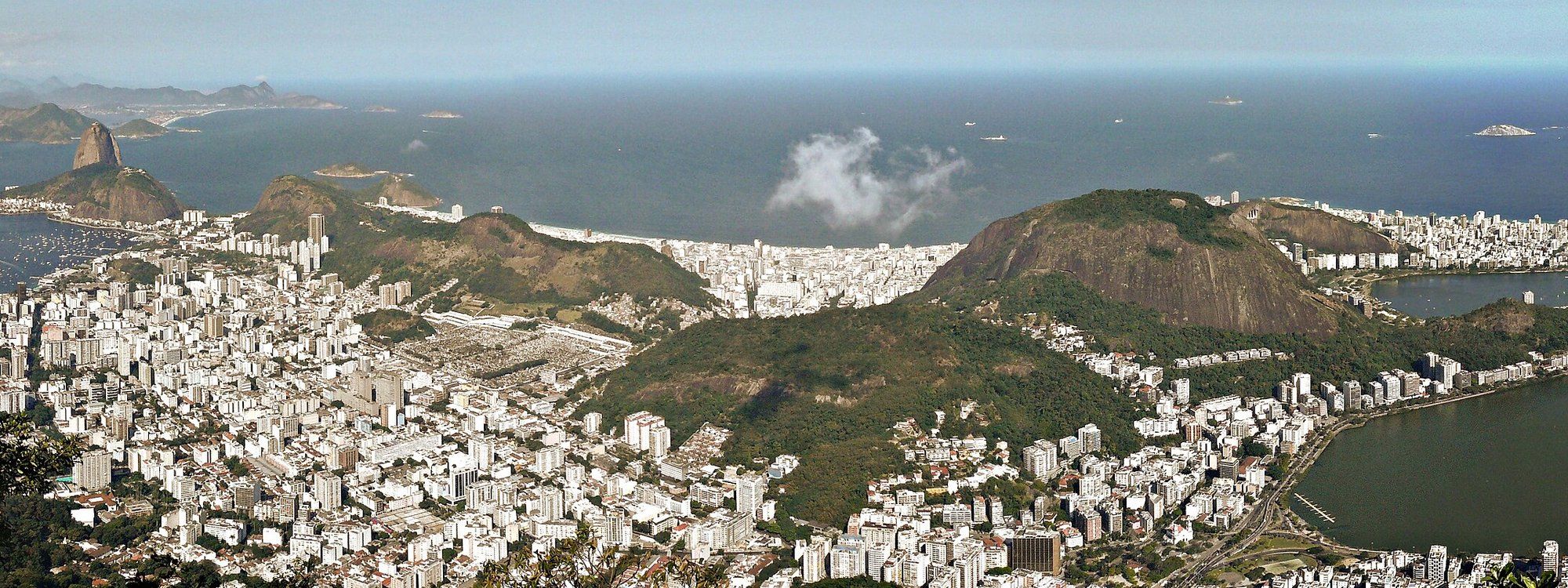
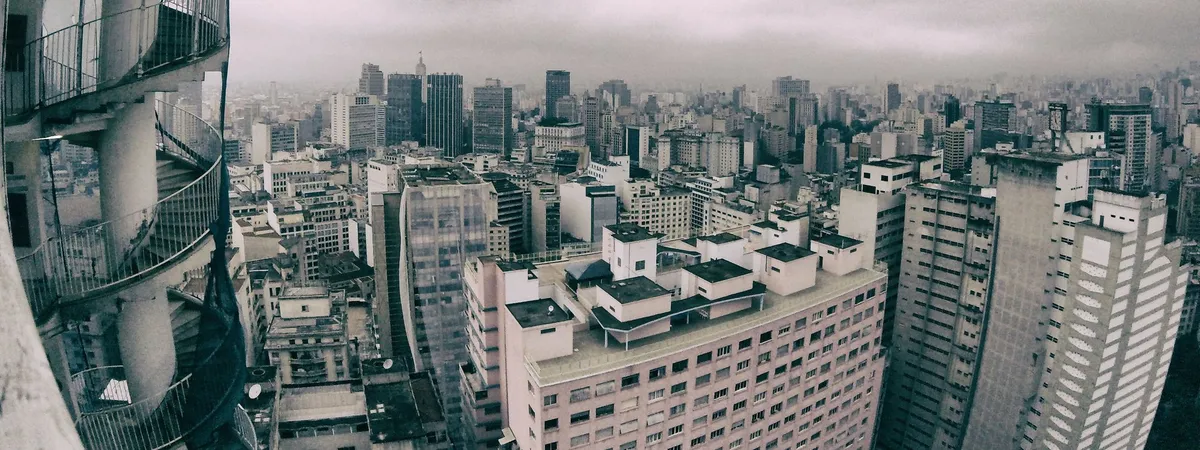
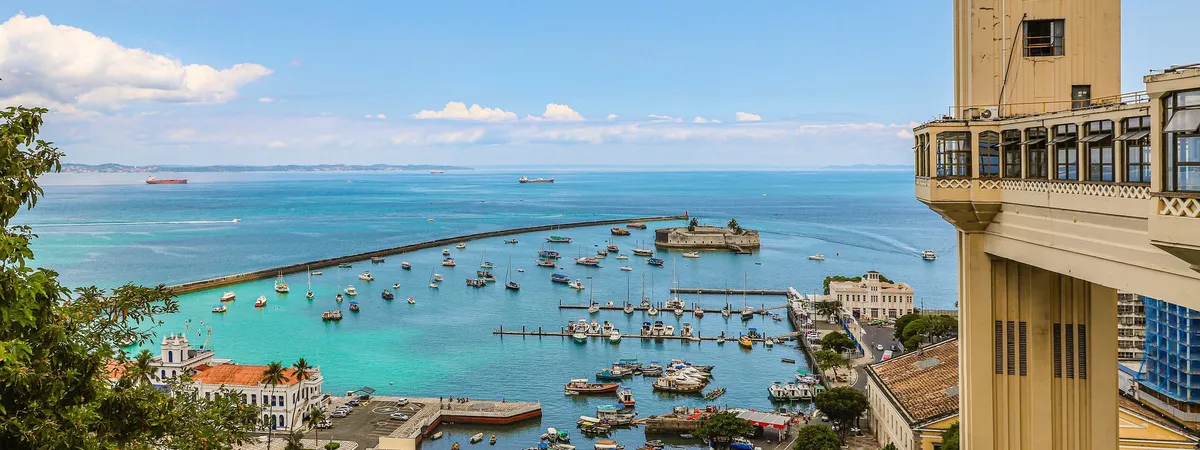
Brazil is a country of continental scale, and its most-visited cities cover very different sides of it. Rio de Janeiro is the postcard image — Sugarloaf Mountain and Christ the Redeemer framing Copacabana and Ipanema's beaches, with a mountain-and-sea setting few cities anywhere can match. São Paulo, the country's financial and cultural engine, trades beaches for a sprawling, restaurant-dense metropolis with some of Latin America's best dining and nightlife. Salvador, the Bahian capital in the northeast, carries the strongest Afro-Brazilian heritage in the country through its music, food, and the pastel-colored colonial streets of Pelourinho. Florianópolis, a island city in the south, is built almost entirely around its more than 40 beaches, drawing both surfers and families. Foz do Iguaçu, on the border with Argentina and Paraguay, exists as a gateway to Iguazu Falls — one of the largest waterfall systems on earth.
Quick facts
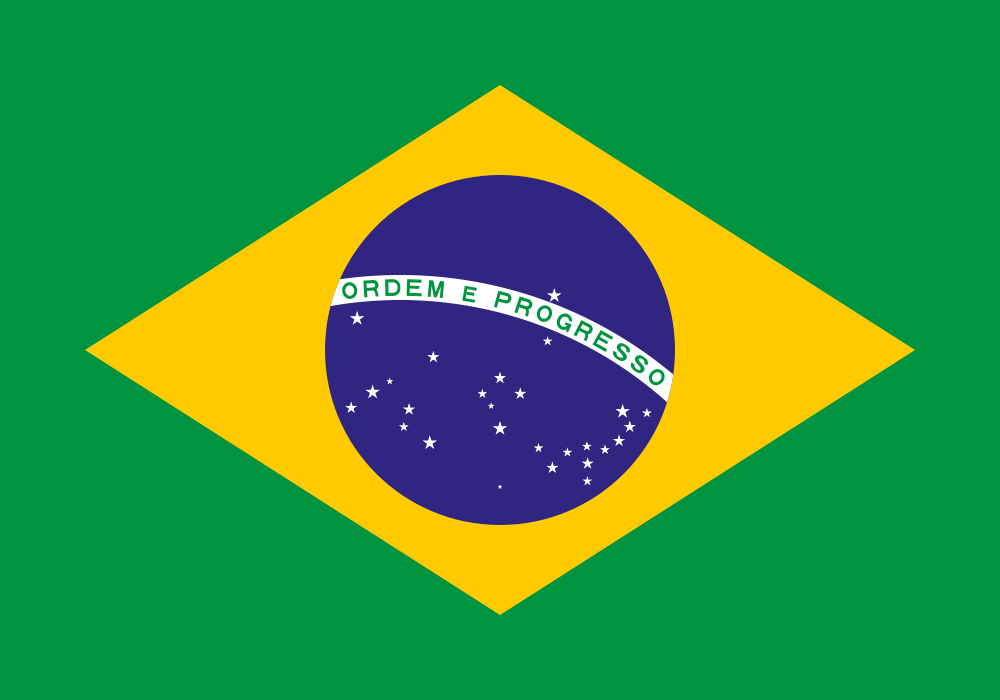
- Flag
- Brazil
- Capital
- Brasília
- Language
- Portuguese
- Currency
- BRL (R$)
- Timezone
- Brasília Time (UTC-3, no daylight saving) — Brazil also spans three other time zones further west, but the cities in this guide all use Brasília Time
- Calling code
- +55
- Driving side
- Right-hand side
This guide covers five of Brazil's most-visited destinations — Rio de Janeiro, São Paulo, Salvador, Florianópolis, and Foz do Iguaçu — each with its own entry covering where to stay and why.
Planning your trip
- Best time to visit
- Brazil's seasons run opposite the Northern Hemisphere's — December to March is summer, June to September is winter. For Rio, São Paulo, Salvador, and Florianópolis, the shoulder months of April-June and September-November bring milder weather and thinner crowds than the December-February beach-and-Carnival peak (Carnival itself falls in February or March and pushes hotel prices sharply higher in Rio and Salvador). Foz do Iguaçu's falls are at their most dramatic in the rainier months (November-March) but can be visited comfortably year-round; the dry season (April-September) trades some water volume for more consistently clear days.
- Good to know
- Brazil uses the Brazilian real (R$/BRL); cards are widely accepted in cities, though it's worth carrying some cash for smaller vendors and beach kiosks. Tipping around 10% is customary at sit-down restaurants and often already added to the bill as a service charge. Portuguese is the official language nationwide — Spanish gets you further than English in most situations, but neither is guaranteed outside tourist areas. Driving is on the right. Distances between the cities in this guide are large — São Paulo to Salvador is around a 3-hour flight, and domestic flights are generally the practical way to combine more than two of them in one trip. Each city covered here has its own walkable core, even though getting between cities means flying.
Cities
Where to stay in each of Brazil's cities — pick one below to see its best neighborhoods and hotels.
Odair Faléco / Wikimedia Commons, CC0
São Paulo
Best for: First-time visitors, Couples, Luxury travelers, Architecture lovers

Arne Müseler (arne-mueseler.com) / Wikimedia Commons, CC BY-SA 3.0 DE
Rio de Janeiro
Best for: First-time visitors, Couples, Beach time, Nightlife, Luxury travelers
Paul R. Burley / Wikimedia Commons, CC BY-SA 4.0
Salvador
Best for: First-time visitors, Beach time, Architecture lovers, Budget travelers
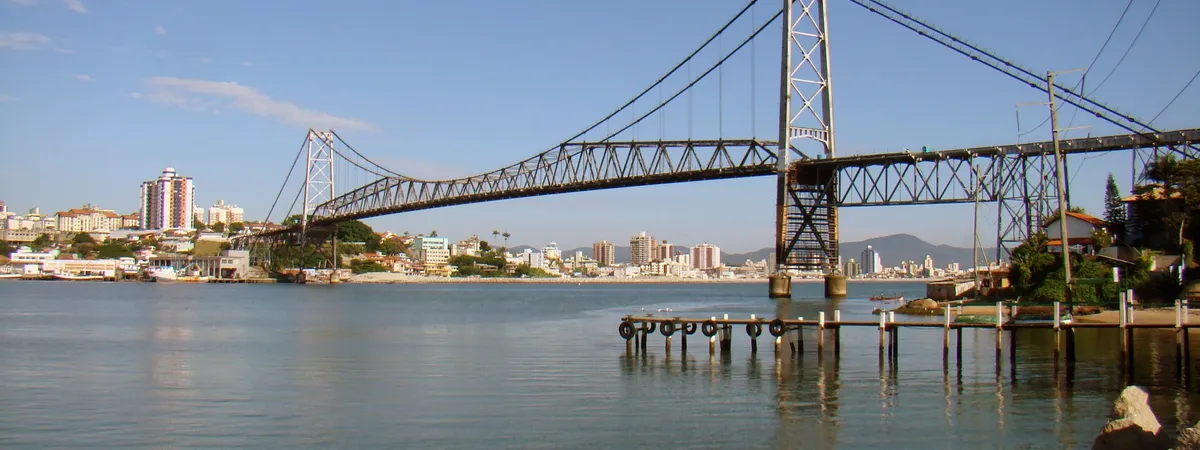
Rodrigo Soldon / Wikimedia Commons, CC BY 2.0
Florianópolis
Best for: Beach time, Couples, Families, First-time visitors
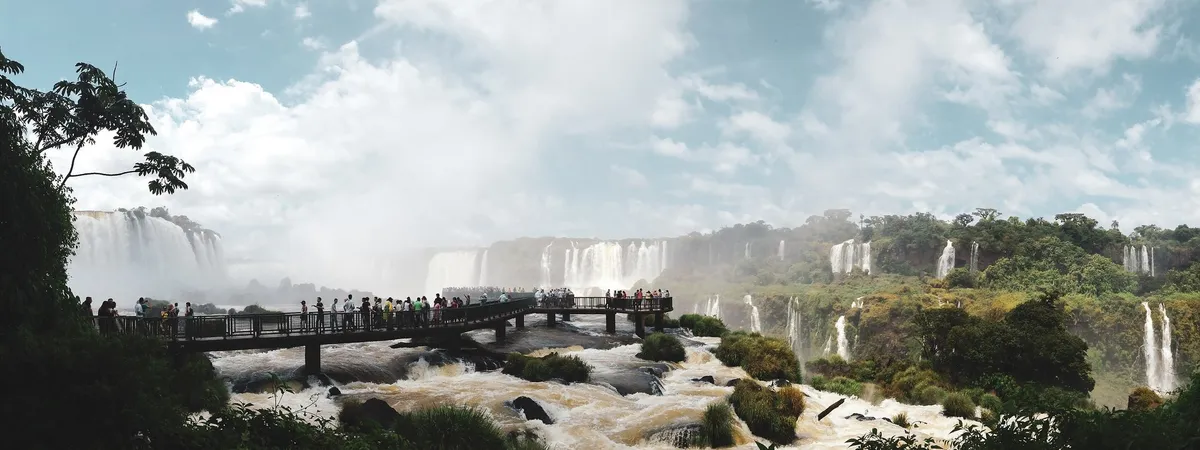
Gruhh / Wikimedia Commons, CC BY-SA 4.0
Foz do Iguaçu
Best for: First-time visitors, Families, Couples, Budget travelers, Luxury travelers
Tips
- If your trip includes Carnival (February or March) in Rio or Salvador, book accommodation many months ahead — prices multiply and central options sell out early.
- Keep phones, cameras, and jewelry low-key in crowded areas like beaches and busy streets, especially in Rio and São Paulo, and avoid displaying valuables — standard big-city caution rather than a reason to avoid these places.
- Yellow fever vaccination requirements can apply depending on your itinerary and origin country — check current guidance before booking if your trip includes destinations outside this guide's coastal cities.
Good to know
- Brazil welcomed about 6.62 million international tourists in 2024, its best result since record-keeping began in 1970, according to consolidated data from Embratur, the Ministry of Tourism, and the Federal Police.
- Brazil is the largest country in South America and the fifth-largest in the world, sharing a border with every South American country except Chile and Ecuador.
- Iguazu Falls, near Foz do Iguaçu, is a system of roughly 275 individual waterfalls spanning nearly 3 km — wider than either Niagara or Victoria Falls.
Frequently asked questions
- How many days do I need to see Brazil's main cities?
- Given the flight time between them, 3-4 days per city is realistic — a trip covering Rio, São Paulo, and one more city usually needs at least 10-12 days to avoid feeling rushed, since travel days between cities eat into sightseeing time.
- Do I need to rent a car to visit these cities?
- No — Rio de Janeiro, São Paulo, Salvador, Florianópolis, and Foz do Iguaçu all have walkable, well-connected central areas, and a car mostly adds parking cost and complication within any one of them. Ride-hailing apps are widely used and often the easiest way to get around.
- Is Brazil expensive to visit?
- It varies a lot by city and season — Rio and São Paulo can be pricey for accommodation and dining, especially around Carnival or New Year's, while destinations like Salvador and Florianópolis are generally more affordable. Booking flights and hotels ahead of peak periods helps keep costs down.