Croatia
Where to Stay in Zagreb
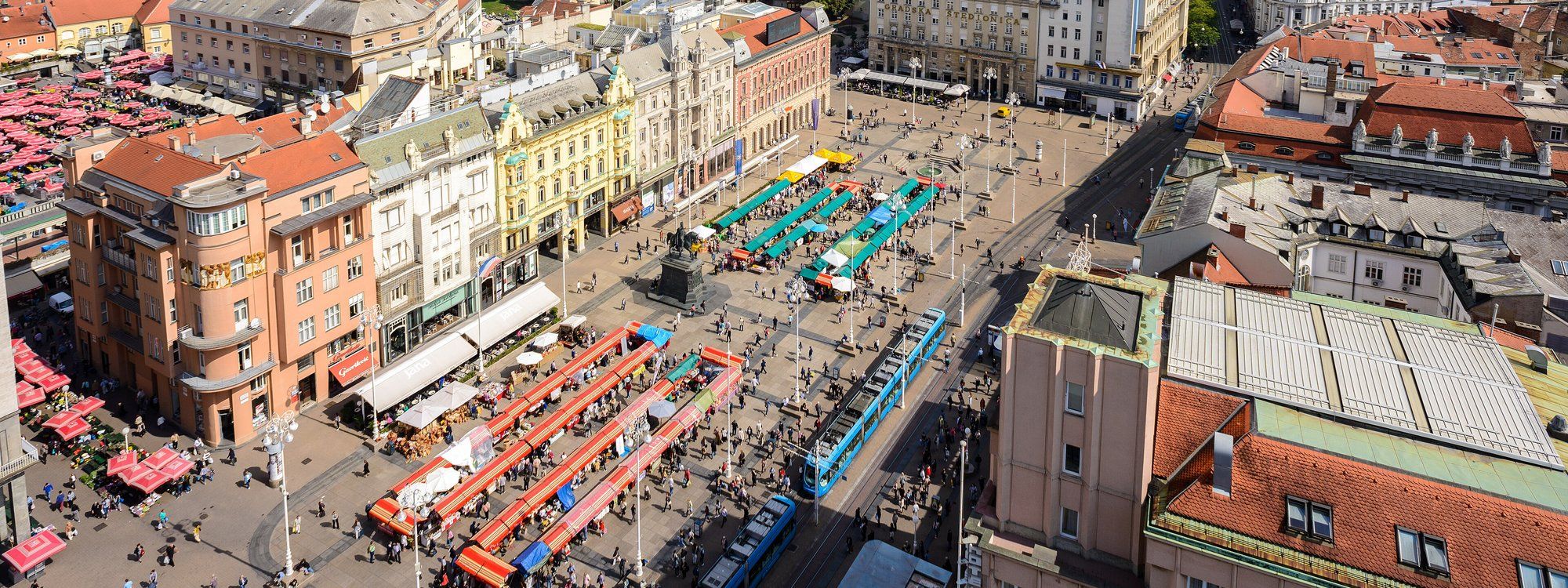
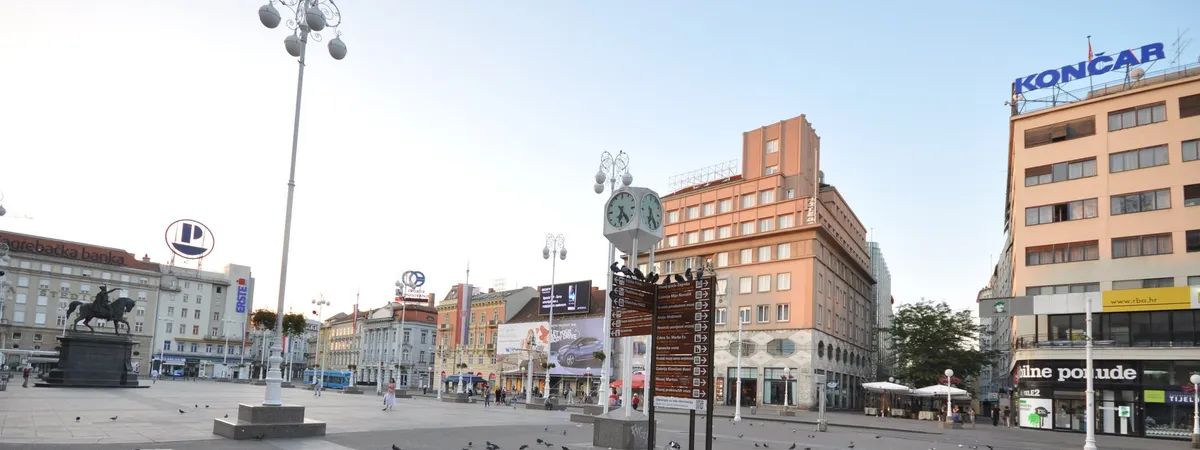
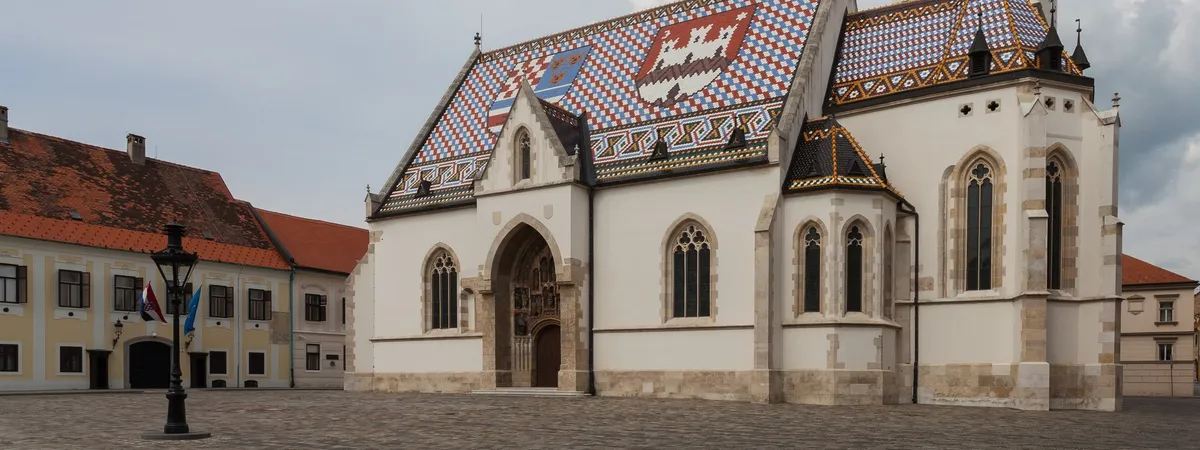
Zagreb is Croatia's capital, and it doesn't look or feel like the coastal towns most visitors picture when they think of the country. There's no sea here — instead there's a compact, walkable, very Central European city, laid out with the wide boulevards, parks, and grand facades of the Austro-Hungarian era. The city grew out of two medieval hilltop settlements, Gradec and Kaptol, that used to be rivals separated by a stream; today those hills make up the Upper Town (Gornji Grad), home to St. Mark's Church and its famous tiled roof, the cathedral, and a scatter of government buildings and small museums along quiet cobbled streets. Below it, the flatter Lower Town (Donji Grad) was planned in the 19th century around Ban Jelačić Square, with a U-shaped chain of parks and grand buildings — locally called the "Green Horseshoe" — running through the center.
Most visitors base themselves in Donji Grad, since it holds the main square, the largest concentration of hotels and restaurants, and the best tram connections, all a short walk or funicular ride from the Upper Town's sights. Zagreb works well both as a short city-break destination on its own and as a first or last stop on a longer Croatia trip, since it's the main international gateway for anyone not flying directly into a coastal airport.