Last updated June 20, 2026

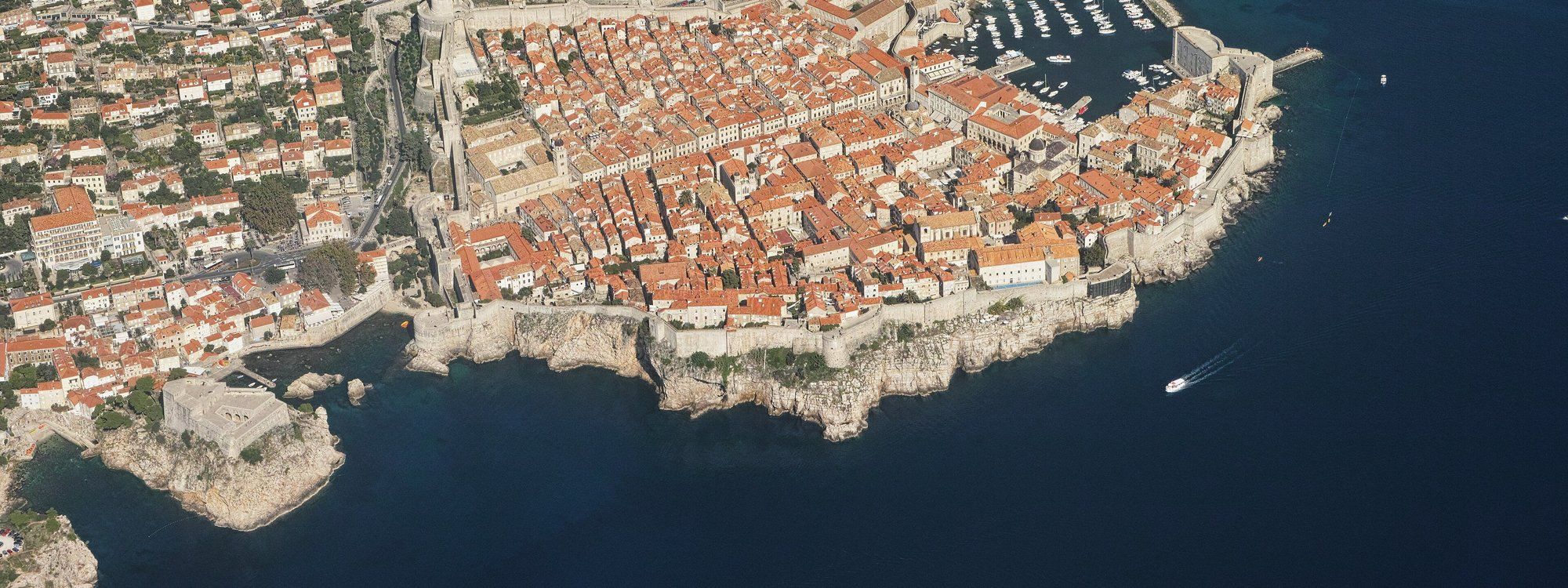
Aerial view of Dubrovnik's walled Old Town jutting into the Adriatic Sea

Akira Takiguchi / Wikimedia Commons, CC BY 2.0

Croatia

Where to Stay in Dubrovnik

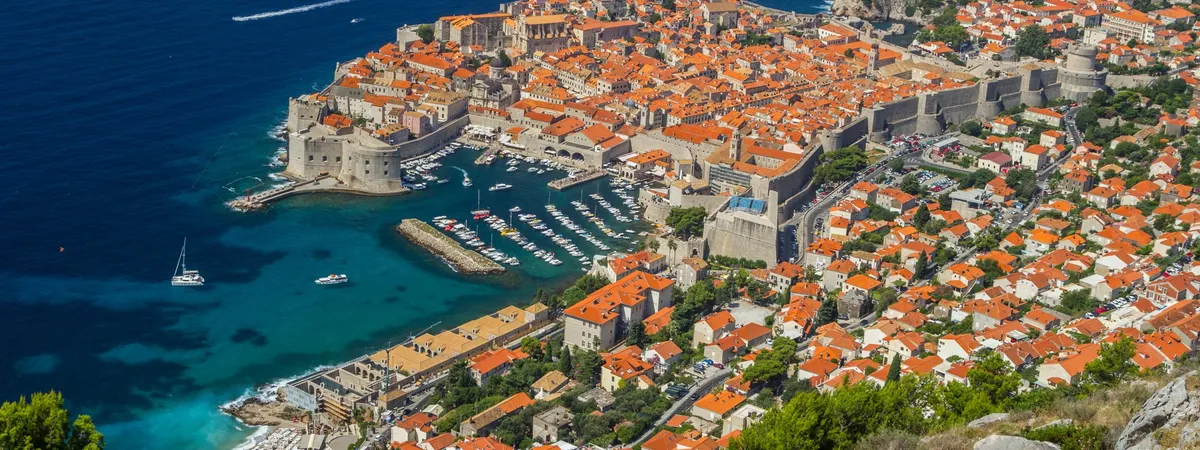
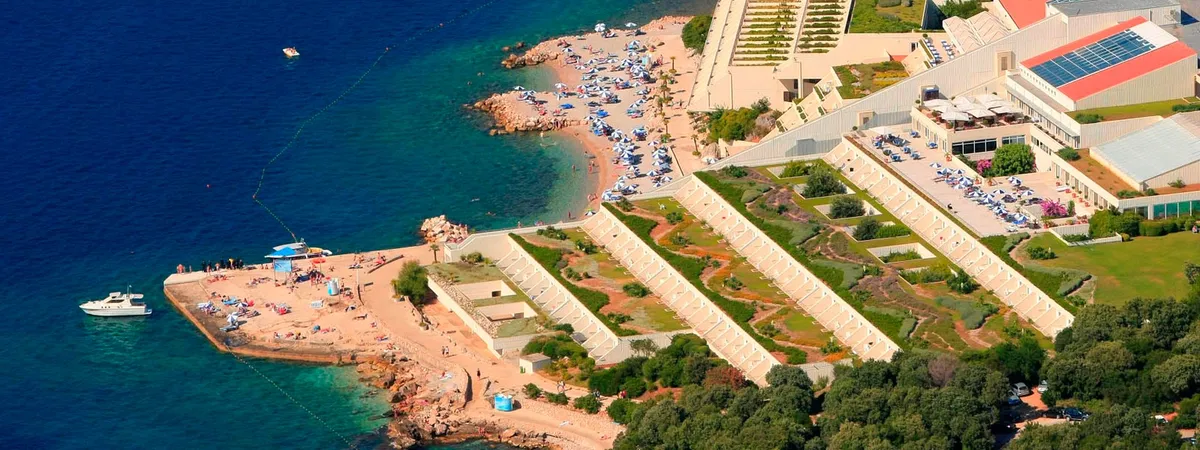
Dubrovnik is small enough to see the whole point of it from one lookout: a walled medieval city on a limestone spur, red roofs packed behind stone fortifications, with the Adriatic on three sides. The Old Town itself — Stari Grad — holds the sights almost everyone comes for: the Stradun, the city walls, Rector's Palace, and the harbor. Almost nobody actually sleeps inside those walls, though. Most hotels sit just outside them, spread across a handful of very different neighborhoods that all connect back to the Old Town by a short walk, bus ride, or drive. What makes choosing where to stay in Dubrovnik different from a lot of European city breaks is how much geography matters. Ploče, just east of the walls, is flat and walkable with some of the city's most expensive hotels overlooking the sea. Lapad and Babin Kuk, on a separate peninsula to the west, trade that walking distance for real beaches, pine-shaded promenades, and larger resort-style properties. None of these areas is wrong, exactly — they just suit different trips, and the right one depends on whether you'd rather step out the door into the old city or into the water.

Quick facts

Best time to visit
May, June, and September offer warm weather and swimmable sea without the peak-summer crowds and heat that fill the Old Town's narrow streets in July and August. Those two peak months are also when hotel prices run highest and the city walls and Stradun get genuinely packed by midday. Winter is quiet and mild for the Adriatic, but many restaurants, boat trips, and some hotels close for the season.
Renting a car
A car adds cost and hassle without much upside for a stay in the city — the Old Town bans vehicles outright, parking near it is scarce and expensive, and Ploče, Lapad, and Babin Kuk are all connected by frequent city buses or a short taxi ride. It's worth renting only if you're planning day trips along the coast or into the countryside beyond the city.

Where to stay

Compare neighborhoods

AreaBest forAdvantageTrade-off
Old TownFirst-time visitorsThe most historic, walkable base possible — the Stradun, the walls, and the harbor are all a few minutes away on foot.Loud, crowded, and expensive relative to other areas, especially in July and August when day-trip crowds peak.
PločeLuxury travelersA short, genuine walk to the Old Town combined with sea views and a quieter, more residential setting than the walls themselves.Little to do in the immediate area after dark, and hotel prices here rank among the highest in Dubrovnik.
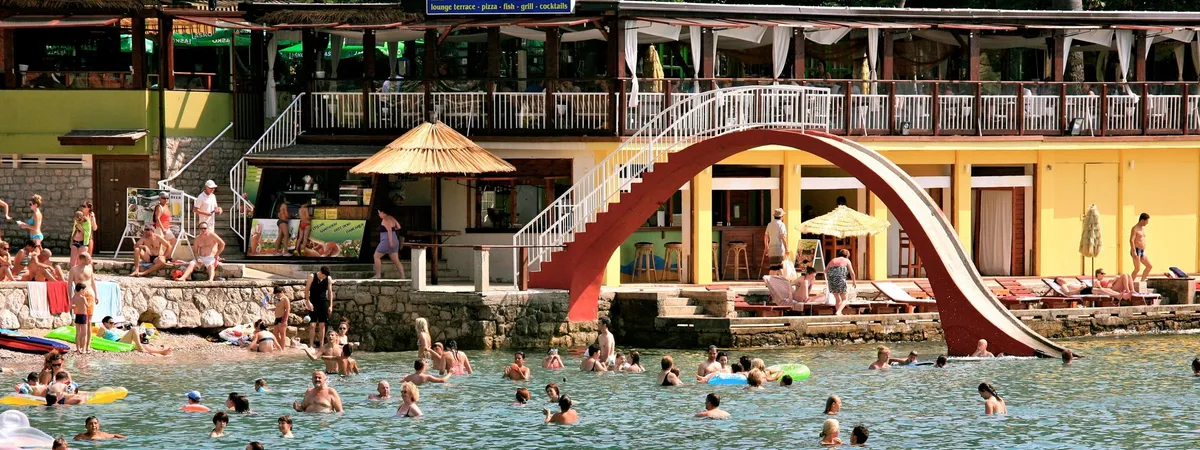
LapadFamiliesA real, swimmable beach and promenade within walking distance of most hotels, in a neighborhood that still feels lived-in.It's a bus ride or a long walk from the Old Town, so day-to-day sightseeing means factoring in that extra trip each way.
Babin KukFamiliesThe most resort-style, self-contained hotels in Dubrovnik, with real grounds, pools, and beach access built in.The furthest of the main hotel areas from the Old Town, with little to do locally outside the hotel grounds themselves.

Our picks for Dubrovnik

A handful of editorial calls across every neighborhood above, not just the highest star rating — see each hotel's own card further down for the full case for and against it.

A couple of hotels in Old Town

Old Town is the top-recommended area to stay in Dubrovnik.

St. Joseph's

★★★★
  • ❤️ Best for couples
  • 🤫 Best for a quiet stay

Our take St. Joseph's stands out for its small scale — an all-suite hotel in a genuinely old building, tucked onto a quiet lane rather than a main route through the Old Town.

Highlights

  • A small, all-suite property with a quiet, personal feel rare at larger Old Town hotels.
  • A restored 16th-century house whose original stone walls still shape the layout.
  • On a quiet side lane inside the walls, away from most daytime foot traffic.

What to know

  • A small property, so book well ahead — there's little flexibility once dates fill.
  • No spa, restaurant, or bar, in keeping with its small, guesthouse-like scale.
Check availability on Booking.com

Hotel Stari Grad

★★★★
  • 📍 Best location
  • ❤️ Best for couples

Our take Sleeping inside the Old Town walls is the draw here, a couple of minutes from the Stradun down a quiet stone lane, in a compact historic house.

Highlights

  • Actually inside Dubrovnik's Old Town walls, not merely nearby.
  • Down a quiet stone lane off the Stradun, away from the daytime foot traffic.
  • A rooftop terrace with views over the Old Town roofs.

What to know

  • A converted historic house with narrow stairs and no elevator — awkward with heavy luggage.
  • Rooms are compact, in keeping with the age and layout of the building.
Check availability on Booking.com

Useful travel information

Croatia uses the euro. Cards are widely accepted, including in most Old Town shops and restaurants, though small guesthouses and market stalls sometimes prefer cash. English is common in hotels, restaurants, and most tourist-facing businesses. No motor vehicles are allowed inside the Old Town walls, so everything there is on foot; the rest of the city runs on a Libertas public bus network that's cheaper if you buy tickets in advance from a kiosk rather than from the driver. Tipping around 10% at restaurants is appreciated but not strictly expected the way it is in the US.

Tips

  • Buy a Dubrovnik Card if you're visiting the city walls, several museums, and using public buses — it usually works out cheaper than paying for each separately, especially since the walls ticket alone is one of the pricier attractions in Croatia.
  • Walk the city walls early in the morning or in the last couple of hours before closing — midday in summer means direct sun with almost no shade and the thickest crowds.
  • If you're staying in Lapad or Babin Kuk, the Libertas bus to Pile Gate is the standard way into the Old Town — buy tickets at a kiosk beforehand, since paying the driver directly costs more.

Frequently asked questions

How many days do I need in Dubrovnik?
Two to three days covers the Old Town, a walk on the city walls, and a boat trip to nearby Lokrum Island comfortably. Add a day or two more if you want real beach time in Lapad or Babin Kuk, or a day trip along the coast.
Can you stay inside Dubrovnik's Old Town walls?
Yes, but options are limited — only a small number of hotels and guesthouses actually sit within the walls, and rooms there tend to book up well in advance and cost more than similar quality just outside. Most visitors stay in Ploče, Lapad, or Babin Kuk instead and walk or bus in.
Is Dubrovnik expensive?
It's one of the pricier destinations in Croatia, particularly for hotels and restaurants in or right next to the Old Town during July and August. Staying in Lapad or Babin Kuk and eating away from the main tourist strip generally costs noticeably less.